The Most Germ-Filled Hot Spots in Public Places - and How to Protect Yourself
To help us understand how risky some activities are now when it comes to catching highly transmissible colds and other viruses, including the flu, I went straight to the experts at NSF.
Don’t get touchy — it’s not always feasible to clean and disinfect the surfaces you touch when you’re in a public space. Try to avoid direct contact with commonly touched surfaces. One trick is to use a tissue, your sleeve or another cloth as a barrier between your hand and the surface.
The first step, though, is knowing what those high-touch hot spots are:
- 1
Beware When Booking It
Whether you’re headed to the public library or borrowing from the Little Free Library book-sharing box in your neighborhood, be careful of door handles, a common source of germs. Library reading areas and computers, the kids’ reading space and copying machines are other places with shared surfaces. - 2
Pew Pointers at Your Service
If you’re eager to get back to church, the CDC lists the high-touch areas to keep your hands off in the pews (or at least make sure you scrub your hands or use sanitizer after the prayer service):- Pews or chairs
- Bibles
- Hymnals
- Offering plates
- Pens
- 3
You’ve Got Mail. High-Touch Surfaces at the Post Office Can Include:
- Doorknobs (public doorknobs are also likely to harbor germs)
- Handrails
- Checkout area
- Knobs on stamp machines
- Counters where you find mailing labels, envelopes, etc.
- 4
Speaking of Mail…
Your mailbox handle is a commonly touched surface. Washing your hands before and after touching it can help stop the spread of germs to your mail carrier and inside your home.
After you’ve been to these germy high-touch places, the best way to avoid getting sick is to wash your hands thoroughly - scrubbing for 20 seconds - before eating, touching your face or grabbing your smartphone. And if hand soap is not available, use sanitizer and rub your hands until they’re dry.
Sources:
www.cdc.gov/coronavirus/2019-ncov/prevent-getting-sick/prevention.html
www.littlefreelibrary.org/best-practices-at-little-free-libraries-during-the-coronavirus-outbreak/
www.cdc.gov/coronavirus/2019-ncov/community/index.html
How NSF Can Help You

What’s New with NSF
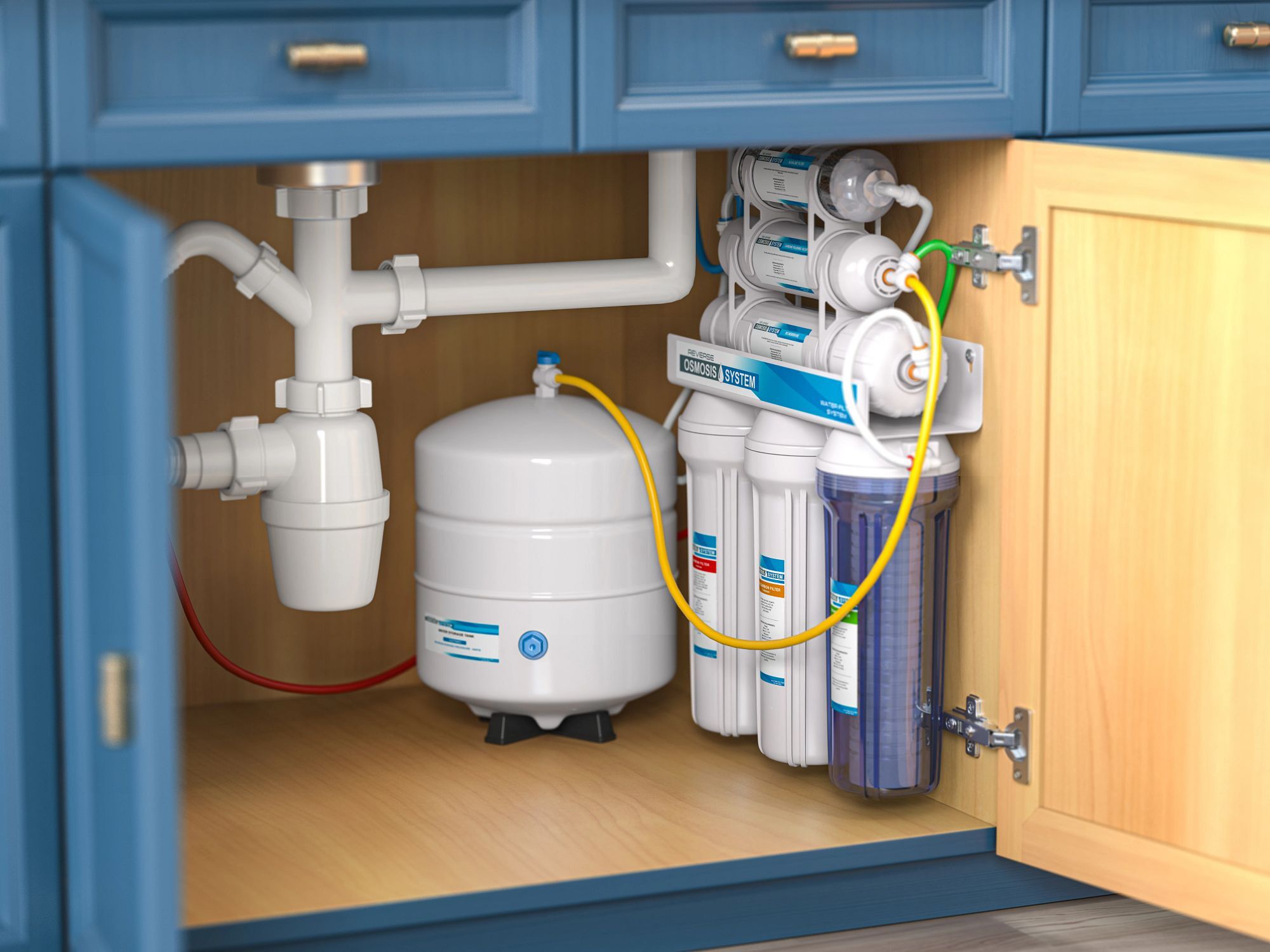
NSF Launches Protocol 549 for Glyphosate Reduction Claims
October 14, 2026P549 is the first standard globally that validates glyphosate reduction performance of water filtration systems and products.
Cambium Analytica, an NSF Company, Opens New Lab in Traverse City, Mich
October 6, 2026Ribbon cutting debuts innovative 15,000-square-foot testing facility to support evolving needs of the food & supplement industries.
NSF Drives Industry Conversations at SupplySide Global 2026 - Las Vegas, Oct. 26–30
September 17, 2026NSF returns to SupplySide Global with expert-led training and trusted certification solutions. Visit Booth 4741 to discover how NSF and Cambium Analytica help brands build trust, increase consumer confidence and stand out in a competitive marketplace.
NSF Welcomes Hanjun Kwon, Managing Director, APAC
September 14, 2026Experienced business leader to drive sustainable growth, organizational development and operational excellence across the Asia-Pacific region.