CSC Certification Explained: Who Needs It and Why It Matters for Sustainable Construction
Demonstrate your commitment to supporting a more sustainable construction industry with CSC certification.
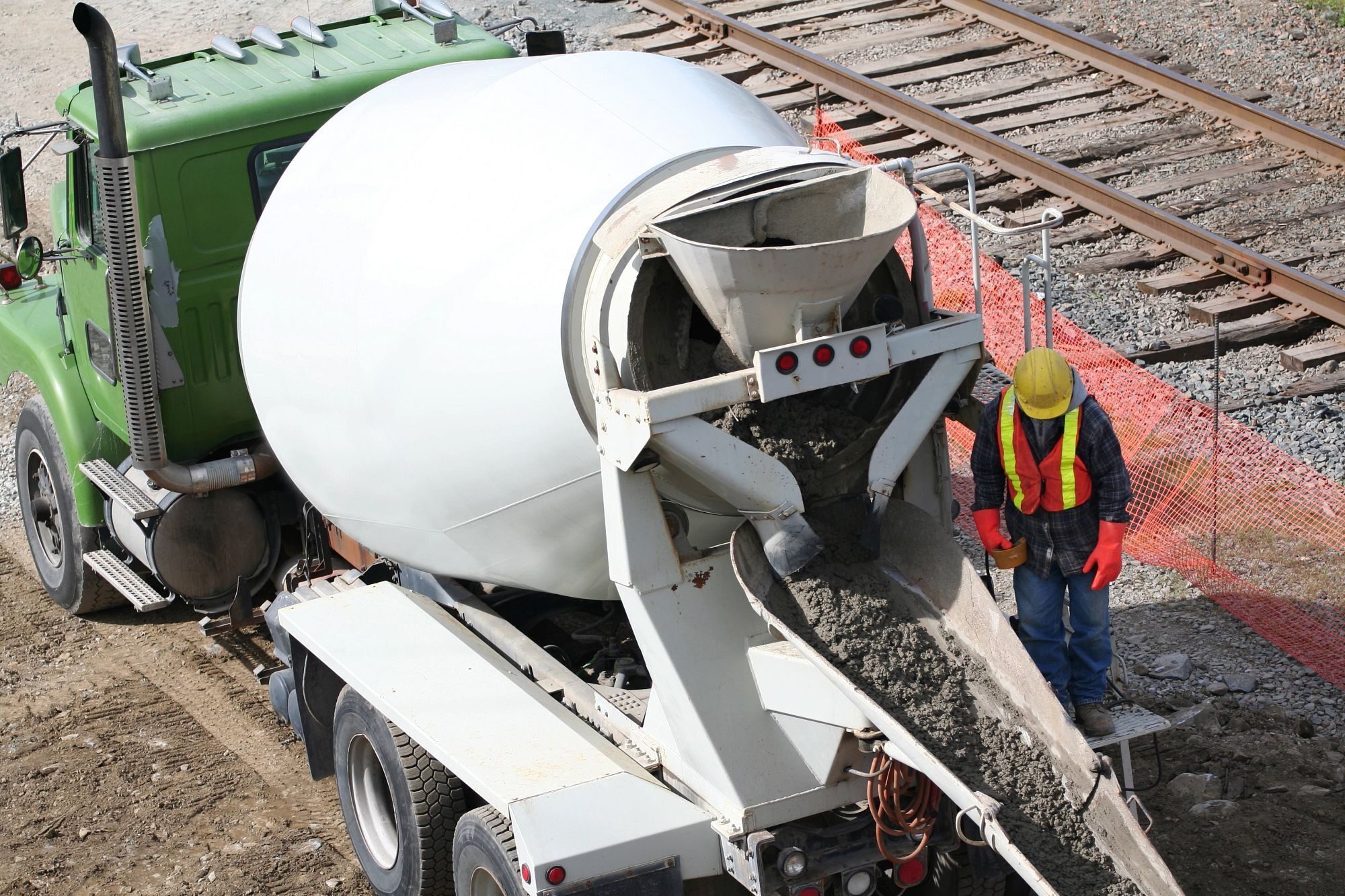
What is CSC and who is it for?
CSC certification is the global certification system for concrete materials.
It was introduced in 2017 by the Concrete Sustainability Council to drive the adoption of better environmental practices by manufacturers. It’s helping to make the concrete industry cleaner, fairer, and more transparent.
To achieve certification, as a cement producer, aggregate supplier, or concrete manufacturer, you must demonstrate that you are lowering CO2 emissions and energy consumption, and improving your management of resources. Independent auditing by an approved certification body, such as NSF, provides the evidence you need for your sustainability claims.
Who uses CSC certification?
CSC certification is a globally recognized system that harmonizes sustainability standards across countries and companies, fostering consistency and comparability.
It assures procurement decision makers in both public and private construction projects that the concrete materials used in ready-mixed or pre-cast concrete products have been ethically and sustainably sourced and manufactured.
CSC certification is especially important for architects, designers and project owners seeking to source concrete, cement or aggregates for green building projects. That’s because CSC-certified products comply with the requirements of the sustainability frameworks for LEED certification and BREEAM certification.
How can CSC certification support a growth and sustainability strategy for your business?
CSC certification is voluntary. However, those manufacturers who are successful in achieving certification for their concrete, aggregate, and cement materials can enjoy enhanced brand reputation and market competitiveness.
CSC-certified products are eligible for selection for the growing number of green building projects. And because certification is recognized internationally, it makes it easier for companies to operate across borders.
There are four certification levels based on performance across ESG criteria: Bronze, Silver, Gold and Platinum. The certification process encourages ongoing enhancements in environmental and social performance.
Once awarded, certification is valid for three years with surveillance audits carried out annually. The feedback provided from the audits is intended to help organizations make continual improvements and to progress up the certification levels.
Where should you start?
Whether you’re completely new to the CSC certification process, or are familiar with it, get in touch to arrange a kick-off call.
Concrete Sustainability Council (CSC) Certification

Demonstrate your cement, aggregate or concrete products comply with green building claims, with a CSC certificate from NSF.
Health Product Declarations (HPD)

A Health Product Declaration® (HPD) verified by NSF can build industry trust and opportunities for your product.
Landfill-Free and Waste Diversion Leader Verification
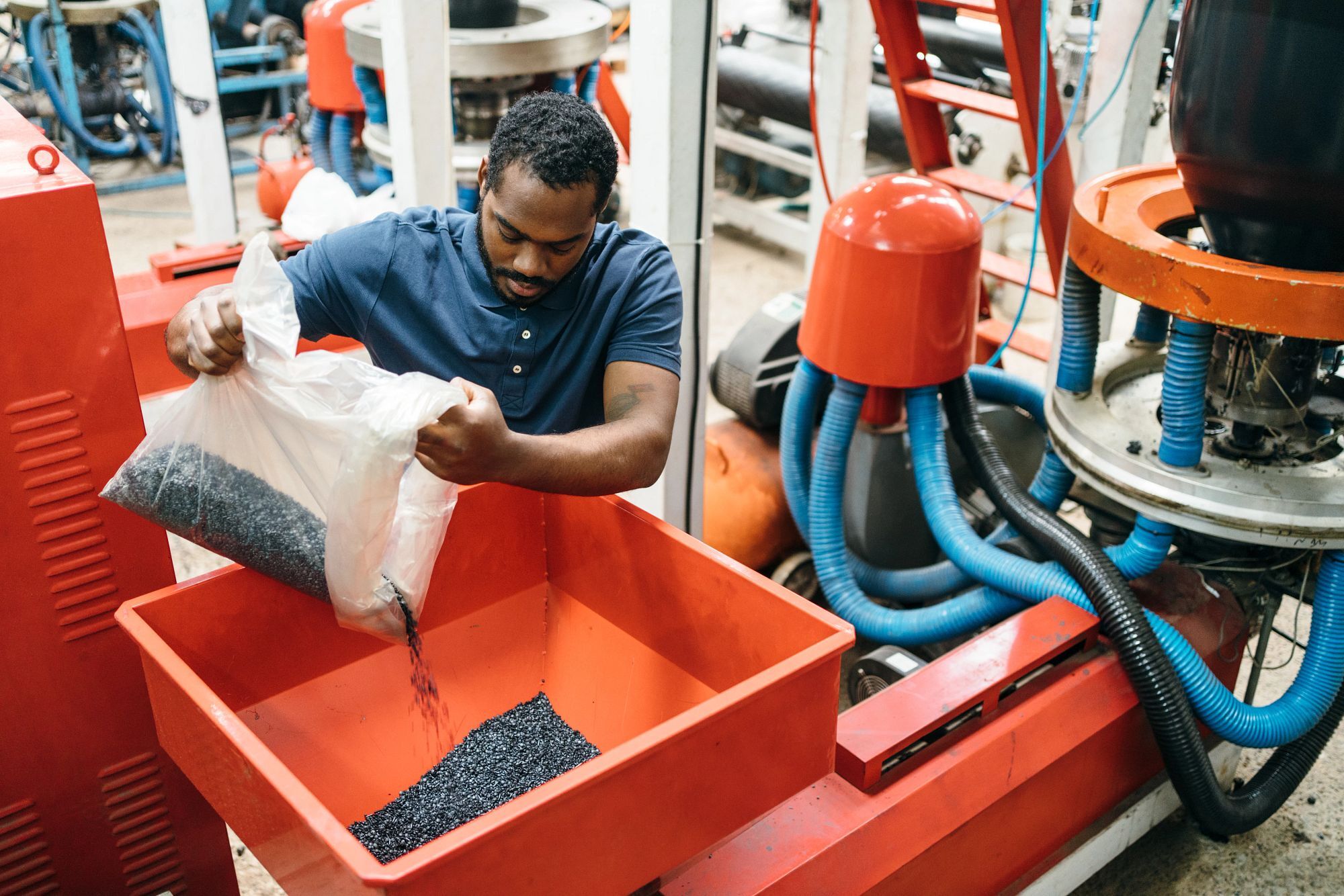
Build consumer trust and market differentiation with third-party verification of your waste management claims.
We’re here to support
Arrange a call today.
What’s New with NSF

NSF Launches Protocol 549 for Glyphosate Reduction Claims
October 14, 2026P549 is the first standard globally that validates glyphosate reduction performance of water filtration systems and products.
Cambium Analytica, an NSF Company, Opens New Lab in Traverse City, Mich
October 6, 2026Ribbon cutting debuts innovative 15,000-square-foot testing facility to support evolving needs of the food & supplement industries.
NSF Drives Industry Conversations at SupplySide Global 2026 - Las Vegas, Oct. 26–30
September 17, 2026NSF returns to SupplySide Global with expert-led training and trusted certification solutions. Visit Booth 4741 to discover how NSF and Cambium Analytica help brands build trust, increase consumer confidence and stand out in a competitive marketplace.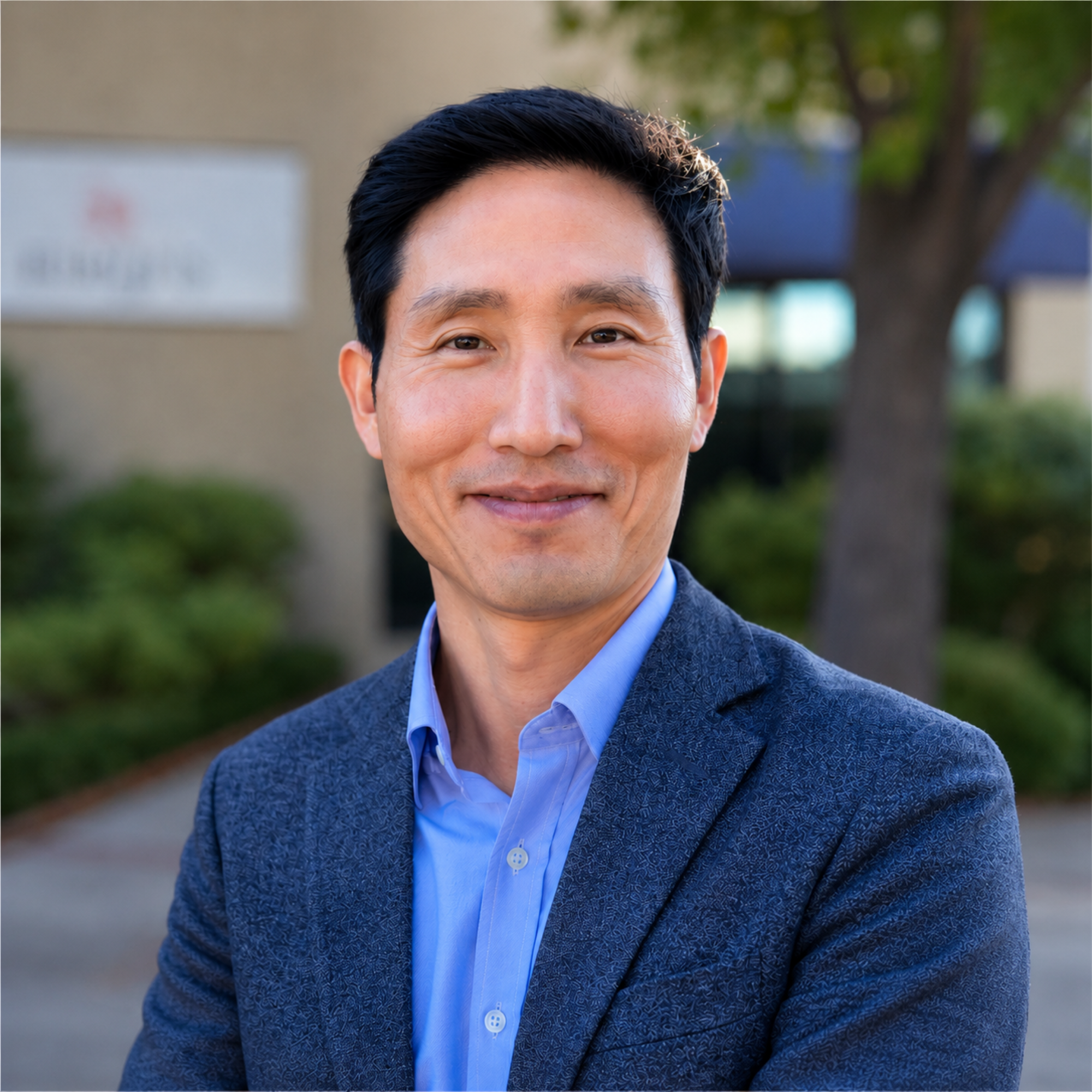
NSF Welcomes Hanjun Kwon, Managing Director, APAC
September 14, 2026Experienced business leader to drive sustainable growth, organizational development and operational excellence across the Asia-Pacific region.