Improving Lab Safety: Accredited Biosafety Cabinetry Field Certifiers
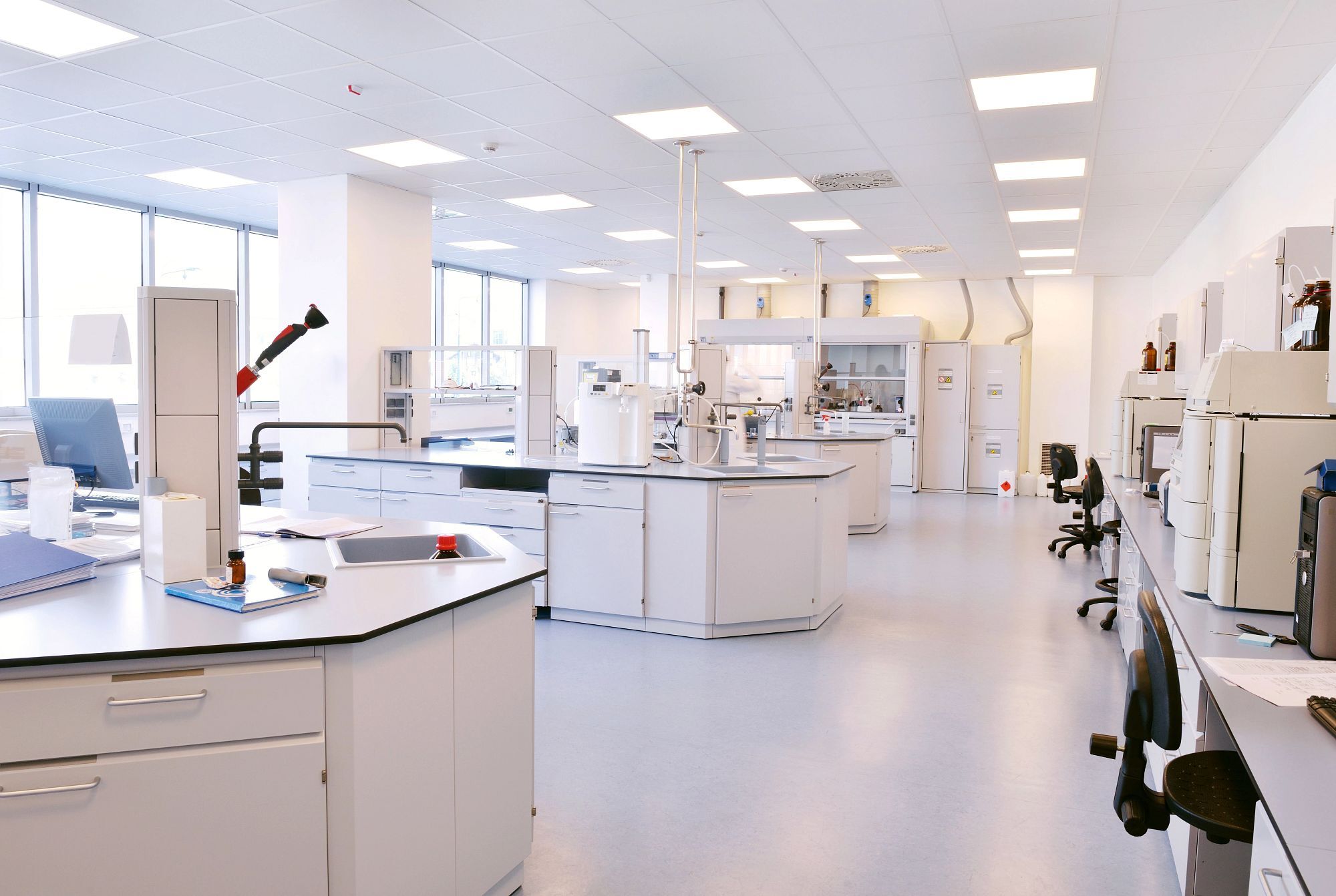
Lab technicians are vital to advancing global healthcare knowledge, technology and solutions. By conducting extensive research and experimentation, they are instrumental in testing the effectiveness of new products and researching diseases and treatments. This field is essential to the future of healthcare, but not without its risks. The profession carries significant danger as lab personnel handle hazardous contaminants that have the potential to lead to harmful community outbreaks.
Biosafety cabinets certified to NSF/ANSI 49: Biosafety Cabinets Design and Performance (NSF/ANSI 49) are an imperative tool for this line of work, which allows lab personnel to carry out research and advancements while reducing the risk of an accidental lab leak. NSF/ANSI 49 is the industry standard for product testing and field certification of this equipment, helping to ensure the cabinet is operating effectively. Due to its importance, industry professionals must understand the equipment’s operation and safety requirements, including third-party certification.
Third-party certification is required for biosafety cabinets, with many federal and local agencies mandating that an NSF-accredited field certifier conducts the testing and certification process. This ensures the test is conducted by an expert who is thoroughly knowledgeable about the equipment, standard and testing requirements. Field certifier candidates are required to pass an accreditation test before they can accurately certify biosafety cabinets.
The history of NSF/ANSI 49: Biosafety Cabinets Design and Performance
Biosafety cabinets were first invented in the 1940s to aid in biological warfare research. As they became more widely used, the importance of maintaining safety for lab personnel, communities and the environment led to the need for an industry benchmark. Following a request from the Centers for Disease Control (CDC), the National Institutes of Health (NIH) and the National Cancer Institute (NCI) to set requirements for biosafety cabinets and reduce the risk associated with their use, NSF developed NSF/ANSI 49.
Decades after the standard’s development, this category of equipment continues to be widely used. Biosafety cabinets are graded categorically from Class I to Class III, ascending based on the amount of protection they provide. By containing airflow, certified biosafety cabinets have become a staple in many labs and are critical to protecting users and the environment.
Certification to NSF/ANSI 49
Biosafety cabinets that are third-party certified to NSF/ANSI 49 are tested to help reduce risk, liability, exposure, contamination, disease and injury. The certification process evaluates each of these areas based on numerous requirements, including cabinet design, electrical safety, noise and illumination control.
Certified biosafety cabinets benefit labs as they meet stringent quality standards that allow them to function safely and efficiently. Additionally, testing isn’t a one-and-done evaluation. To maintain third-party certification to NSF/ANSI 49, certified biosafety cabinets must undergo an annual, unannounced facility audit. This provides ongoing assurance that the third-party certification is continuously evaluated.
Third-party certification is important for these systems as a failure can have major implications. If there is a dangerous material being handled at the time of failure, the safety of both lab personnel and the environment are compromised. The biosafety cabinet parts that are most at risk of breaking are HEPA filters, exhaust systems and contaminant barriers. The heightened negative consequences from these systems failing underscore the importance of third-party testing. Certification ensures that the systems remain in good functioning order and meet the stringent regulatory requirements.
Biosafety cabinetry field certifier program
Considering the critical importance of biosafety cabinets in lab operations and the need for them to operate safely, it is no surprise that biosafety cabinet field certifiers must be experts in their work. The accreditation program for biosafety cabinets field certifiers was developed not long after NSF/ANSI 49 was introduced. NSF’s accreditation program launched in the 1990s, providing a third-party accreditation pathway for field certifiers. The program tests their knowledge to ensure certifiers have the correct knowledge and skillset to evaluate biosafety cabinet systems.
The program requires both a written and practical test to ensure it covers all necessary safety and operation areas. The accreditation test evaluates candidates in the critical areas of biosafety cabinetry operations, including HEPA filter leak scans, vibration and noise tests, installation and decontamination tests, smoke pattern tests, lighting, downflow and inflow velocity and more. Each evaluation is critical to maintaining and operating a safe biosafety cabinet, so each is included in the tests.
Challenging test sections
With many areas being critical to safe lab operations, candidates have considerable material to study to ensure they can pass with the required 80 percent or higher score. While all areas require proficiency, several areas tend to be the most challenging for applicants to pass, including:
- Airflow pattern test: Turbulence is often misread during this portion of the test. Candidates must be able to accurately identify the smoke placement during the testing of the four smoke patterns.
- HEPA filter leak test (scan method): Accreditation candidates must be able to identify leaks, particularly at the gasket and media. Additionally, they need to be careful not to scratch the HEPA filter. If they scan too close, leakage can occur.
- Site installation test: It is important to understand how the supply blower interlock check is conducted. Candidates are asked to explain the procedure thoroughly and accurately as part of the evaluation.
- Vibration test: Workspace measurements are important for operating a biosafety cabinet safely. Candidates must understand the measurements to pass this section and determine if the system includes an air intake grille.
- Decontamination: Proper decontamination with an inactivating agent of interior work, exposed interior and other interior surfaces, including plenums, is needed to pass. Without performing this test, field certification would be impossible due to risk of exposure.
These knowledge areas of biosafety cabinetry certification are crucial for accredited field certifiers to be well-versed in. Each area plays a critical role in ensuring the systems operate correctly to the strict safety standards required. Thorough knowledge in all areas of biosafety cabinetry requirements is a large responsibility field certifiers must uphold to ensure safe handling of the equipment and the lab work being conducted with them.
Relevant regulations
While NSF/ANSI 49 is the most recognized standard in the US, there are multiple global regulations for biosafety cabinets. For industry professionals, it’s important to stay informed on all standards to ensure systems and use are in line with requirements. Meeting regulations is dependent on where the system is being sold and used. For example, systems used in Europe must meet the requirements outlined in EN 12469, the European version of NSF/ANSI 49. The World Health Organization (WHO) has also released guidance for the safety measures of these systems.
In the US, professionals should focus primarily on NSF/ANSI 49, ISO 14644, the OSHA and CDC guidelines, and USP 797 and 800 standards. These standards cover a range of safety criteria for these systems, including design, HEPA filtration efficiency, air cleanliness, compounding medical materials and worker protections. In 2024, many of these regulations were updated, highlighting the need for industry professionals to remain informed of industry changes.
Adapting to industry needs
The healthcare industry has multiple stressors impacting operations and personnel. While the workforce may feel overwhelmed, it is important to remain vigilant on safe operations, manufacturing practices and lab work to ensure the mission of improving health is continued.
Biosafety cabinets are imperative to creating a sterile environment in labs that deal with hazardous materials. When it comes to this category of equipment, there are multiple safety strongholds in place that serve as industry benchmarks. NSF/ANSI 49 is the most prominent standard for US professionals, outlining strict requirements for these systems. Alongside the standard, the role of accredited biosafety cabinet field certifiers in the industry in accurately evaluating systems is crucial in supporting third-party accredited certification programs.
As with any field, it is important to stay updated on the latest trends, challenges and regulations, remaining agile to the shifting demands. Ensuring that lab personnel and communities remain protected while this work is conducted is mission-critical so that we can continue to expand our knowledge and create solutions for new diseases and healthcare concerns. Through maintaining biosafety cabinet requirements and prioritizing field certifier accreditation, the industry can continue doing this important work.
Biosafety Cabinetry Certification: NSF/ANSI 49
Biosafety Cabinet Field Certifier Accreditation
Author

Kyle Postmus
Senior Manager
Water Systems, NSF Spokesperson
How NSF Can Help You

What’s New with NSF
NSF Launches Protocol 549 for Glyphosate Reduction Claims
October 14, 2026P549 is the first standard globally that validates glyphosate reduction performance of water filtration systems and products.
Cambium Analytica, an NSF Company, Opens New Lab in Traverse City, Mich
October 6, 2026Ribbon cutting debuts innovative 15,000-square-foot testing facility to support evolving needs of the food & supplement industries.
NSF Drives Industry Conversations at SupplySide Global 2026 - Las Vegas, Oct. 26–30
September 17, 2026NSF returns to SupplySide Global with expert-led training and trusted certification solutions. Visit Booth 4741 to discover how NSF and Cambium Analytica help brands build trust, increase consumer confidence and stand out in a competitive marketplace.
NSF Welcomes Hanjun Kwon, Managing Director, APAC
September 14, 2026Experienced business leader to drive sustainable growth, organizational development and operational excellence across the Asia-Pacific region.