NSF Issues First-Ever MSC Certification for an Eel Fishery to Perupez S.A.C. and Sakana del Peru
Third-party certification plays a key role in independently verifying the sustainability of seafood operations.
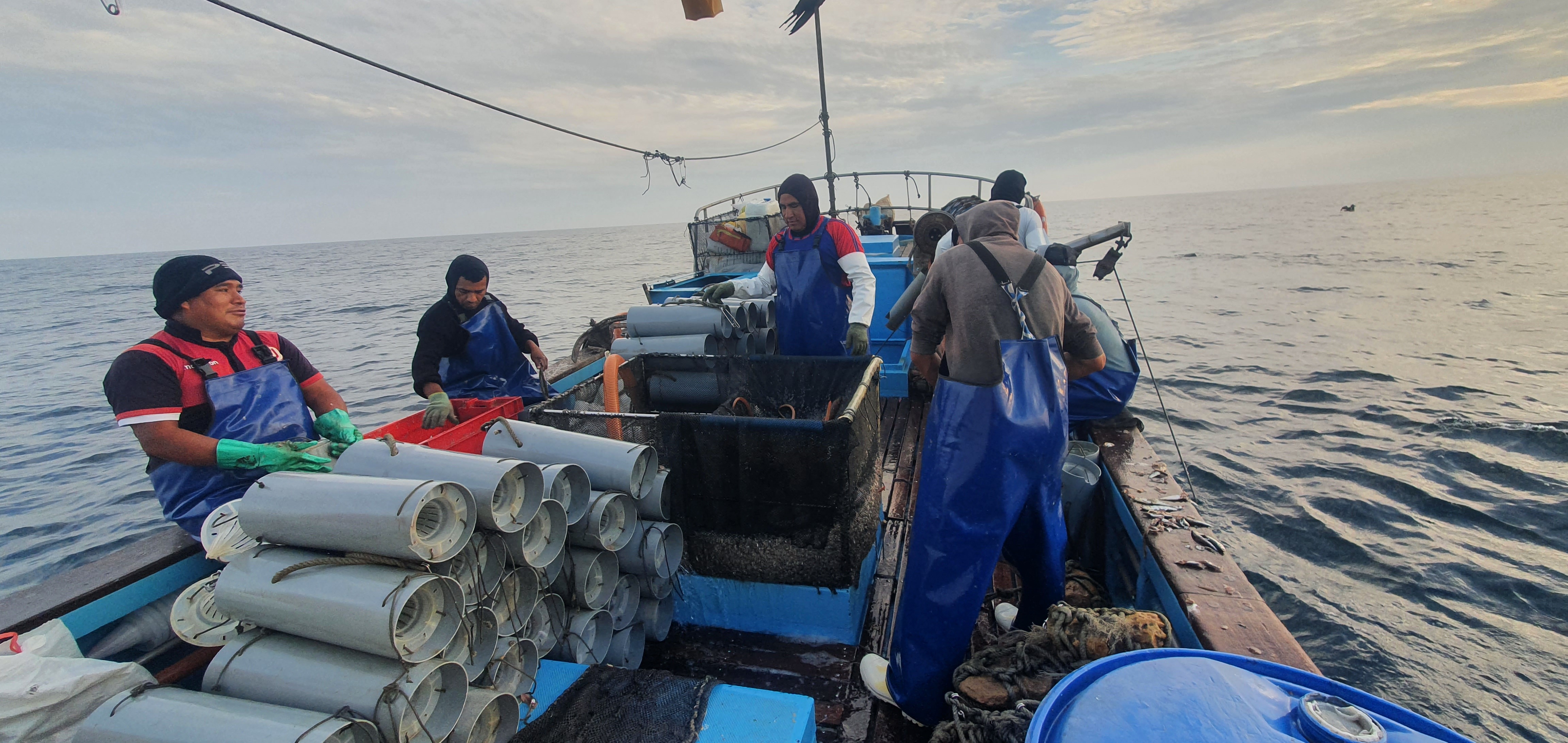
Following a comprehensive and highly rigorous assessment process, NSF has issued the world’s first Marine Stewardship Council (MSC) certification ever granted to an eel fishery, awarded to Perupez S.A.C and Sakana del Peru, part of the Asociación Peruana de Productores de Anguila (APPA) for the fishery targeting Ophichthus remiger.
This milestone marks the first eel fishery certified to the MSC Fisheries Standard worldwide, while also representing the first fishery in Peru to achieve MSC certification, one of the world’s most recognized and rigorous benchmarks for sustainable fishing.
A Highly Rigorous, Independent Evaluation Process Led by NSF
The certification resulted from an extensive evaluation process, which included independent on-site audits from NSF and technical reviews of fishing practices, management systems and stakeholder engagement.
The process also included consultations with scientists, government institutions, industry representatives, and other stakeholders, followed by public comment periods and peer review by international experts.
“Technical rigor in these assessments is essential to ensuring that standards remain trustworthy and meaningful across global markets,” said Fabiane Zanoti, Managing Director of NSF LatAm.
Strengthening Market Access Through Verified Sustainability
The eel trap fishery is composed of a small-scale fleet of 16 vessels operating along Peru’s northern coast (Piura and Tumbes), using highly selective trap methods to harvest eel. With annual landings below 5,000 metric tons, the fishery supports local economies and provides stable employment for more than 550 people.
The fishery supplies high-quality frozen eel products to international markets including Japan, South Korea, Europe, the United States and Taiwan.
With MSC certification delivered by NSF, eel trap fishery is now positioned to access premium global supply chains that prioritize independently verified sustainable sourcing.
Five Years of Improvement and Multi-Stakeholder Collaboration
This achievement reflects more than five years of coordinated effort initiated in 2021 through a Fishery Improvement Project (FIP) led by Perupez S.A.C. and Sakana del Perú S.A. in partnership with the NGO REDES-Sostenibilidad Pesquera.
Close collaboration with public institutions was also instrumental:
- The Peruvian Marine Research Institute (IMARPE) strengthened scientific monitoring;
- The Ministry of Production (PRODUCE) enhanced governance through updated regulations and participatory management frameworks.
Fleet operators implemented improved monitoring systems, enhancing catch data accuracy and reporting on bycatch and ecosystem interactions, demonstrating minimal environmental impact in line with MSC requirements, as verified through NSF’s certification process.
Learn more about Marine Stewardship Council (MSC) certification

Producers of seaweed and wild-caught fish face responsible management and chain-of-custody requirements.
How NSF Can Help You
What’s New with NSF

NSF Launches Protocol 549 for Glyphosate Reduction Claims
October 14, 2026P549 is the first standard globally that validates glyphosate reduction performance of water filtration systems and products.
Cambium Analytica, an NSF Company, Opens New Lab in Traverse City, Mich
October 6, 2026Ribbon cutting debuts innovative 15,000-square-foot testing facility to support evolving needs of the food & supplement industries.
NSF Drives Industry Conversations at SupplySide Global 2026 - Las Vegas, Oct. 26–30
September 17, 2026NSF returns to SupplySide Global with expert-led training and trusted certification solutions. Visit Booth 4741 to discover how NSF and Cambium Analytica help brands build trust, increase consumer confidence and stand out in a competitive marketplace.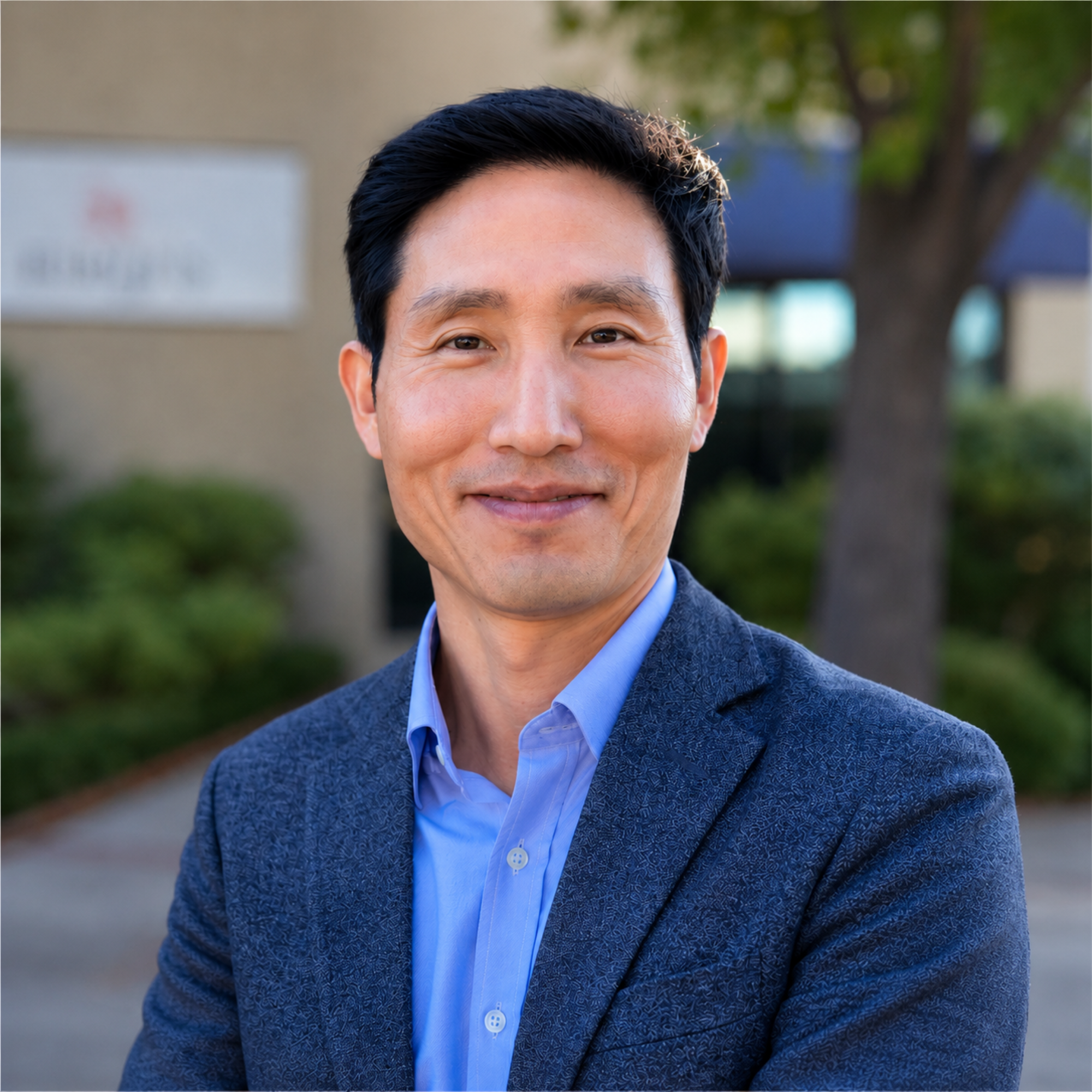
NSF Welcomes Hanjun Kwon, Managing Director, APAC
September 14, 2026Experienced business leader to drive sustainable growth, organizational development and operational excellence across the Asia-Pacific region.