ISO 14001:2026 What’s Changed, What Matters, and How to Prepare: Insights From our Webinar
Understand the updates and changes that matter most for your Environmental Management System (EMS).

ISO 14001:2026 reflects how environmental risk, stakeholder expectations, and operational realities have evolved and what organizations now need to do to manage them effectively.
For organizations already certified, and for those just beginning their Environmental Management System (EMS) journey, the question is no longer whether change is coming. The real challenge is how to respond in a way that strengthens resilience, supports compliance, and delivers meaningful environmental performance.
In a recent NSF discussion, Hilary Roberts, Senior Marketing Manager, spoke with Marco Brunato, Assurance Technical Scheme Manager at NSF, to examine what has changed in the 2026 revision, why those changes matter, and how organizations should approach the transition. This article translates those insights into practical guidance you can apply today.
Evolution, not disruption
ISO 14001:2026 builds on the foundation established in 2015. The High‑Level Structure, (HLS), remains unchanged, providing continuity for organizations with established management systems.
The intended outcomes of the standard are also unchanged: protecting the environment, preventing pollution, meeting compliance obligations, and continually improving environmental performance.
What has evolved is emphasis. Several requirements have been clarified or strengthened to better reflect today’s environmental conditions and business challenges.
The changes..... can be considered as more of an evolution to the standard
Environmental conditions: from implicit to explicit
One of the most significant updates in ISO 14001:2026 is how environmental conditions are addressed within the organization’s context.
Organizations have long been required to consider internal and external issues affecting their EMS. Climate change was the first environmental condition to be explicitly referenced in recent revisions. The 2026 update goes further.
Organizations are now expected to deliberately consider whether specific global or regional environmental conditions are relevant to their operations. These may include biodiversity, climate change, the availability of natural resources such as water or raw materials, and pollution levels across jurisdictions.
The expectation is not that every condition applies to every organization. The expectation is that relevant decisions are made consciously and documented. Silence is no longer sufficient.
ISO committees have looked at what things are going on in the world, and are asking organizations to specifically call these things out and determine whether they have any relevance or not. These things being biodiversity, climate change and the availability of natural resources....
Planning for changes takes center stage
ISO 14001:2026 introduces a dedicated clause for Planning for Changes (Clause 6.3), elevating a requirement that was previously embedded within environmental aspects.
This change reinforces a clearer expectation: organizations need a structured, approved approach to managing environmental impacts before change occurs.
Whether introducing new equipment, modifying processes, or launching new products, organizations are now expected to assess potential environmental implications in advance, not after implementation. For organizations already certified to ISO 9001 (Quality Management), this requirement will feel familiar, reflecting closer alignment across management system standards.
Supply chain focus: clarity over complexity
The 2026 revision also sharpens expectations related to external providers. Language has shifted from “outsourced processes” to “external providers,” with clearer focus on those that can influence compliance, pollution prevention, or environmental performance.
This is not a requirement to audit every supplier. Instead, organizations are expected to identify which external providers are relevant to the intended outcomes of their EMS and apply proportionate communication, controls, or oversight where it matters most.
Risks and opportunities: a sharper lens
Risk‑based thinking is not new to ISO 14001, but the 2026 revision gives it greater visibility through a dedicated clause on risks and opportunities and a stronger expectation for action.
Organizations are encouraged to consider risk at two levels:
- Enterprise‑level risks, linked to internal and external issues and environmental conditions that could affect the organization’s ability to operate.
- Operational risks, connected to environmental aspects and impacts arising from day‑to‑day activities.
One practical example discussed during the NSF conversation was water scarcity. At an enterprise level, reduced water availability could threaten the long‑term viability of operations in a specific location. At an operational level, it may require efficiency improvements or process redesign. Both perspectives are important, and both should inform defined actions.
Continual improvement: still central, more integrated
At first glance, Clause 10.3 (Continual Improvement) appears to have been removed in ISO 14001:2026. In reality, it has been integrated into Clause 10.1, with stronger language linking improvement directly to identified risks, opportunities, objectives, and performance.
The message is clear: continual improvement remains central to the standard and should be purposeful, structured, and aligned with the organization’s broader context.
How organizations should prepare now
Preparing for ISO 14001:2026 does not require reinvention. Marco’s guidance is practical and achievable:
- Obtain a copy of ISO 14001:2026 and review it carefully, paying close attention to updated “shall” statements.
- Conduct an internal audit to identify gaps between your current EMS and the revised requirements.
- Review environmental conditions, risks and objectives, ensuring relevant decisions are made consciously and documented.
- Engage your certification body early to plan the transition within your normal audit cycle.
The standard was published in April 2026 and includes a three‑year transition period. Organizations certified to ISO 14001:2015 must transition by April 30, 2029, typically during a surveillance or recertification audit. Existing certificates remain valid until expiry or that deadline, whichever comes first.
A practical call to action
ISO 14001:2026 is not about adding complexity. It is about strengthening how organizations understand environmental risk, manage change, and prepare for future challenges.
Now is the right time to start.
Whether you are already certified, planning a transition, or beginning your EMS journey, NSF works with organizations to make the path forward clear, structured, and confidence‑building.
Talk to NSF to explore what ISO 14001:2026 means for your organization, your risks, your transition timeline and how to move forward with confidence.
Available on-demand
Online Discusssion: ISO 14001:2026: What Changed and How to Plan Your Transition
Frequently asked questions
Is ISO 14001:2026 a major overhaul?
No. It builds on the 2015 structure while strengthening emphasis in key areas.
Do all environmental conditions apply to every organization?
No. Organizations must determine relevance, but they must do so consciously and document their decisions.
When do we need to transition?
All ISO 14001:2015 certificates must transition by 30 April 2029.
Can transition be completed during regular audits?
Yes. Transition typically occurs during surveillance or recertification audits.
What if we are new to ISO 14001?
Organizations can still begin certification journeys and should consider whether starting directly with ISO 14001:2026 makes sense, based on timing and readiness.
Learn more about ISO 14001:2026
Talk to our team
What’s New with NSF
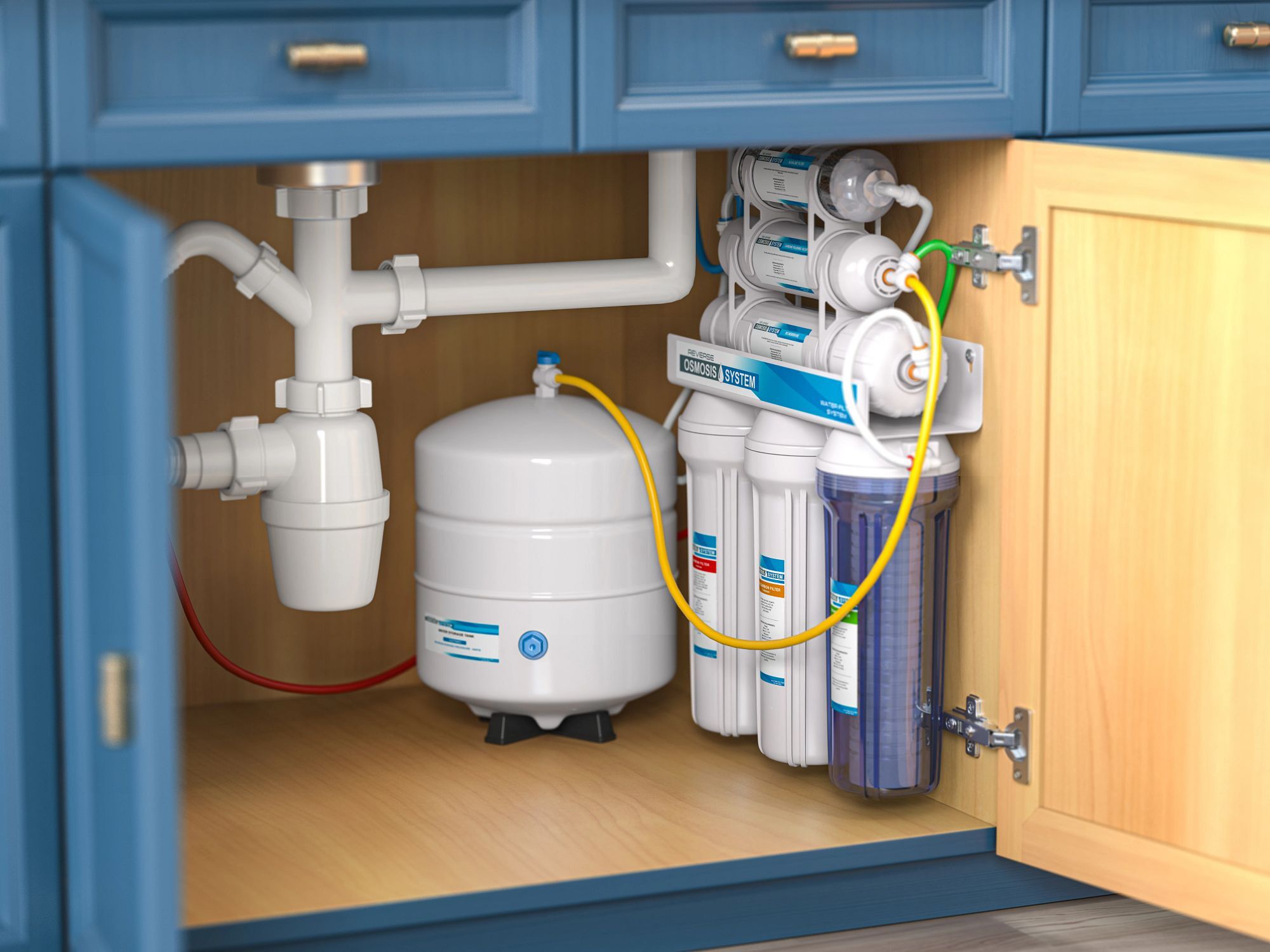
NSF Launches Protocol 549 for Glyphosate Reduction Claims
October 14, 2026P549 is the first standard globally that validates glyphosate reduction performance of water filtration systems and products.
Cambium Analytica, an NSF Company, Opens New Lab in Traverse City, Mich
October 6, 2026Ribbon cutting debuts innovative 15,000-square-foot testing facility to support evolving needs of the food & supplement industries.
NSF Drives Industry Conversations at SupplySide Global 2026 - Las Vegas, Oct. 26–30
September 17, 2026NSF returns to SupplySide Global with expert-led training and trusted certification solutions. Visit Booth 4741 to discover how NSF and Cambium Analytica help brands build trust, increase consumer confidence and stand out in a competitive marketplace.
NSF Welcomes Hanjun Kwon, Managing Director, APAC
September 14, 2026Experienced business leader to drive sustainable growth, organizational development and operational excellence across the Asia-Pacific region.