Residential Wastewater Treatment Systems
Alternative residential wastewater treatment systems are designed to treat all liquid waste a residence generates. They are installed like a traditional septic tank and commonly have a similar-sized treatment tank. The primary difference between a septic tank and an alternative residential wastewater treatment system is the internal design and associated mechanical and electrical components that enhance treatment.
These systems are like miniature municipal treatment plants designed for a single family rather than an entire city or community. Their unique design and components accelerate the treatment process by creating optimum environments for microorganisms that digest the waste and for collecting and storing the resulting byproducts. The effluent generated by the tank is significantly superior in its treatment level to that of a septic tank, which allows for greater flexibility in disposing of the treated effluent.
Before deciding to use any wastewater treatment system, contact your local health department or other regulatory authority to ask about the requirements for such systems. Most communities require alternative residential wastewater treatment systems certified by applicable national public health standards, such as NSF/ANSI 40: Residential Wastewater Treatment Systems.
How NSF Can Help You

What’s New with NSF
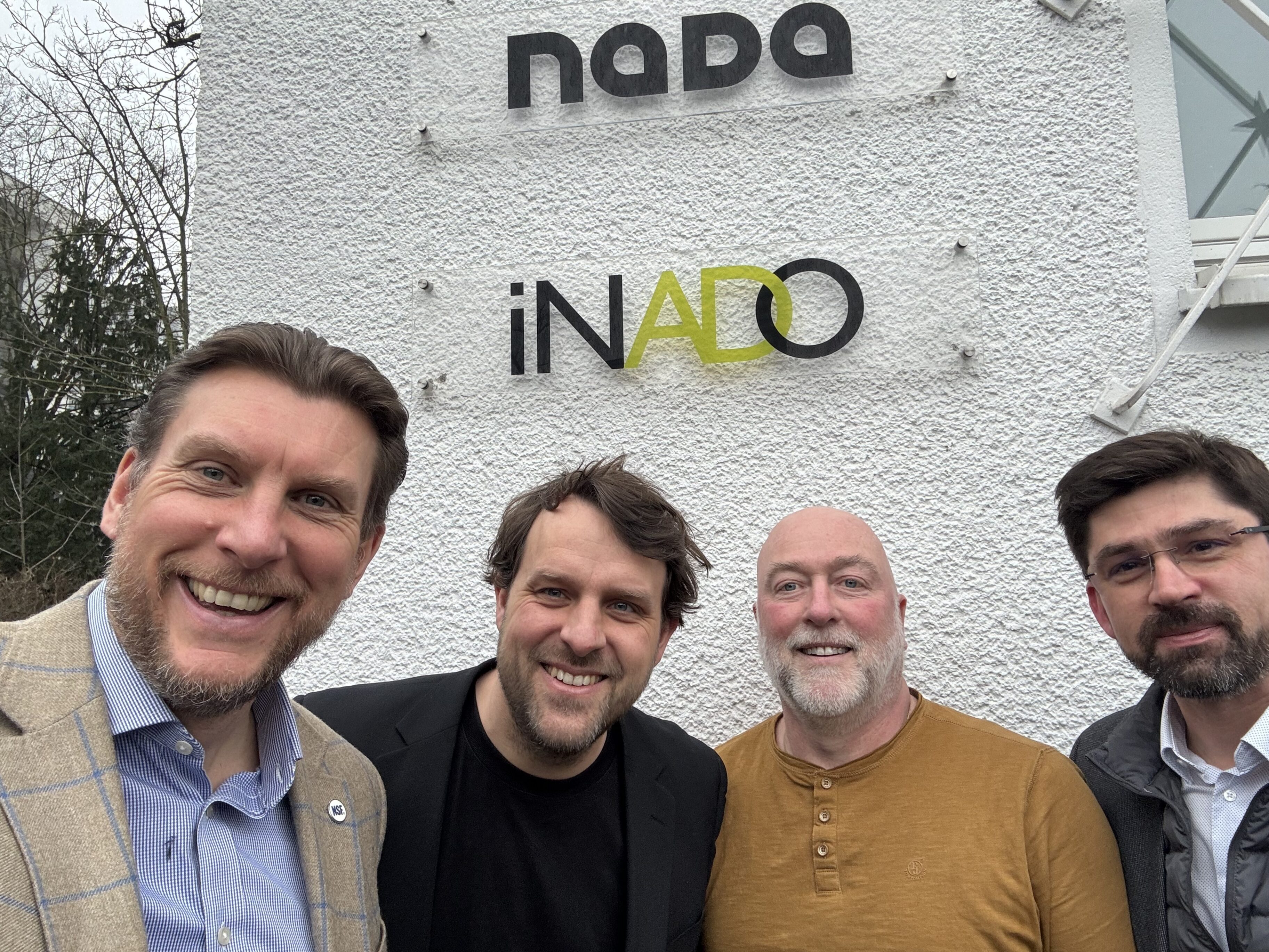
iNADO Partners with NSF to Support Members and Athletes
May 27, 2026iNADO is pleased to welcome NSF’s expertise and experience in support of its members and the athletes they serve
NSF Ends UK’s Three-Year Testing Gap with REG 31 Testing Designation
May 20, 2026NSF’s Oakdale laboratory becomes the UK’s sole facility offering comprehensive BS 6920 and REG 31 testing, closing a critical drinking water safety gap.
Tangent® Materials Announces Industry First: Tangent PolySheet™ CB Earns Certification to NSF 537, Becoming the First PFAS-Free NSF Standard 51 Food Equipment Material
May 20, 2026New food-grade synthetic cutting-board sheet, engineered from the ground up without per- and polyfluoroalkyl substances (PFAS), establishes a new materialsafety benchmark for food-contact and food-equipment applications.
NSF Expands Food Equipment Portfolio with Electrical Safety Testing and Certification
April 30, 2026Manufacturers now have a “one-stop-shop” for both sanitation and electrical safety certification, enabling market expansion and regulatory compliance.