Senate HELP Committee Advances Food Safety and Nutrition Legislation: What It Means for the Food Industry
Recent action by the Senate Health, Education, Labor and Pensions (HELP) Committee signals growing bipartisan attention on food safety modernization and nutrition transparency.

On July 22, the Committee advanced two proposals, the Making America's Food Safer Act (S.4974) and the Childhood Diabetes Reduction Act (S.5026). While both bills still face additional legislative steps, they offer important insight into where policymakers may be headed and what food manufacturers, retailers, ingredient suppliers and brands should be preparing for now.
For industry leaders, the message is clear: organizations that invest in food safety, transparent labeling and consumer trust today may be better positioned to navigate future regulatory changes while strengthening their competitive advantage.
Food safety oversight continues to evolve
The Making America's Food Safer Act would strengthen FDA's ability to leverage accredited third-party food safety data, improve coordination during foodborne illness investigations and enhance oversight of imported food products.
If the proposal advances, companies could see increased emphasis on:
- Accredited third-party audits and certifications.
- Supplier verification and supply chain visibility.
- Food safety data sharing and traceability.
- Import controls and supply chain risk management.
- Preventive food safety programs.
For manufacturers and retailers, this reinforces the growing value of robust food safety management systems and independent certification programs. As regulators continue adopting risk-based oversight approaches, credible third-party verification can help demonstrate compliance, strengthen operational confidence and support brand protection.
Preparing for evolving nutrition and labeling expectations
The Childhood Diabetes Reduction Act reflects increasing policy attention on nutrition, chronic disease prevention and consumer awareness. The proposal includes provisions related to warning labels for certain sugary beverages and ultra-processed foods, restrictions on marketing certain foods to children and expanded nutrition research initiatives.
If enacted, the bill could accelerate discussions around:
- Definitions of ultra-processed foods (UPFs).
- Front-of-package labeling requirements.
- Sugar disclosure expectations.
- Healthy food claims and claim substantiation.
- Nutrition-focused marketing practices.
For brands, these developments highlight the increasing importance of transparency and clear communication around product attributes. Consumers continue to seek products that align with their health and wellness goals, and regulatory interest in nutrition labeling appears likely to remain a key focus area.
What this means for manufacturers, retailers and brands
Taken together, these proposals illustrate a broader trend: food safety, nutrition and consumer trust are becoming increasingly interconnected.
Organizations should consider:
- Reviewing food safety and supplier verification programs.
- Evaluating current product claims and labeling practices.
- Monitoring developments related to nutrition disclosures and UPFs.
- Assessing opportunities to strengthen transparency throughout the supply chain.
- Leveraging credible third-party certifications to support consumer confidence.
Companies that proactively prepare for evolving expectations can reduce compliance risk while creating stronger differentiation in the marketplace.
NSF expertise for regulatory readiness
As a global leader in public health and food safety, NSF helps organizations navigate changing regulatory expectations and build trust with consumers, customers, and regulators.
NSF supports the food industry through:
- Food safety auditing and certification programs.
- Supplier verification and supply chain risk management services.
- Regulatory consulting and labeling compliance support.
- Product and ingredient reviews.
- Training and technical expertise.
- Certifications that support transparency and consumer confidence.
Programs such as Non-UPF Certification, Non-GMO Verification, Vegan, Gluten-Free, Cage-Free/Free Range and Raised Without Antibiotics can help brands demonstrate their commitment to transparency, quality and responsible sourcing while addressing evolving consumer expectations.
Looking ahead
Although neither bill has become law, both proposals provide valuable insight into the direction of food policy discussions in Washington. Greater focus on food safety data, supply chain accountability, nutrition transparency and consumer health could create new expectations for food companies in the years ahead.
Organizations that take a proactive approach today by strengthening compliance programs, enhancing transparency and leveraging trusted third-party certification may be best positioned for long-term success. NSF will continue monitoring these developments and helping industry stakeholders navigate an evolving regulatory landscape.
Food and Beverage

Across the global food supply chain, NSF is here and proud to work with you.
Organic and Specialty Foods

From non-gmo to organic, ensure claims meet criteria. NSF guides you for successful validation, ensuring market confidence and safety.
How NSF Can Help You

What’s New with NSF
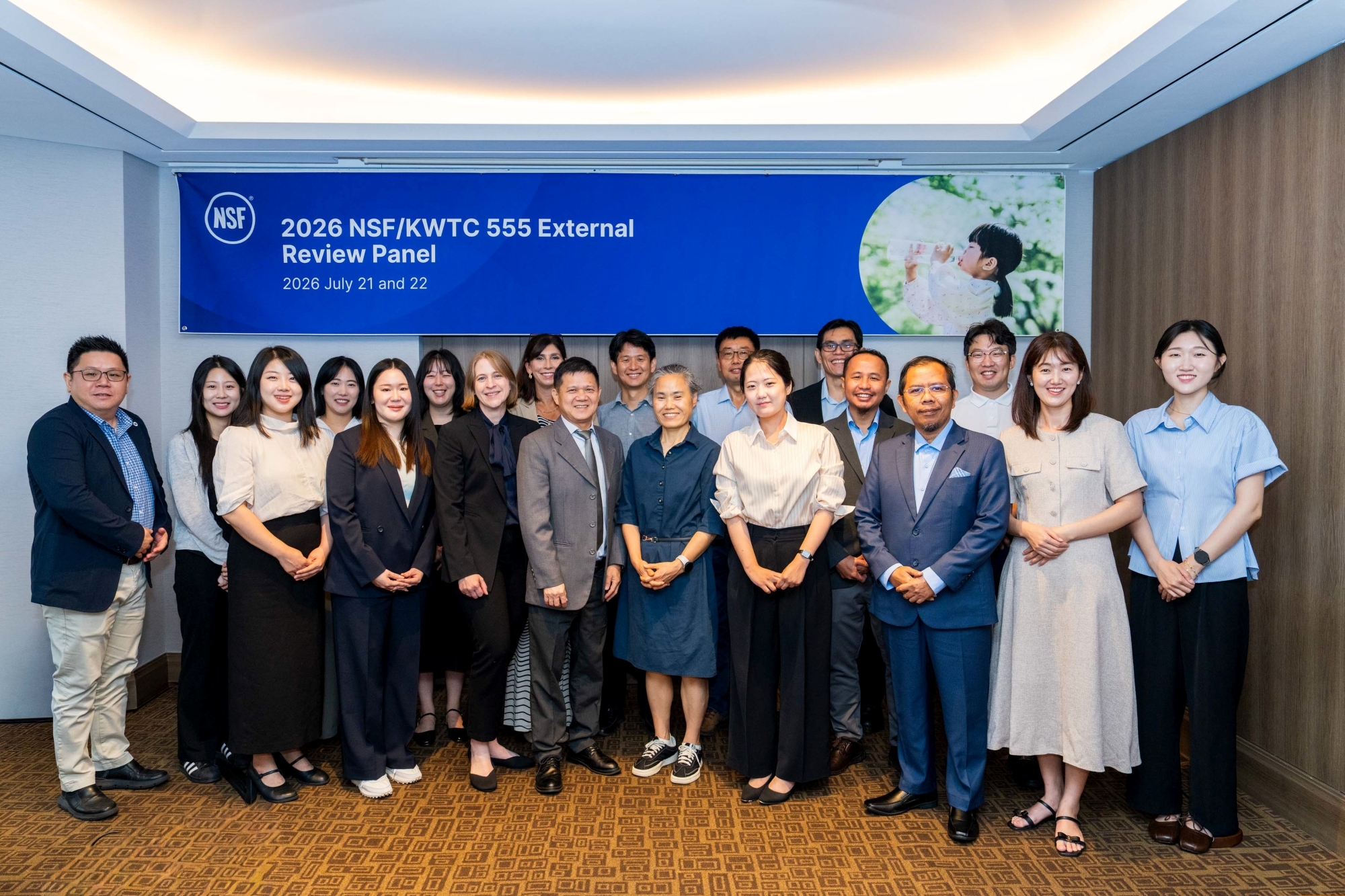
NSF Hosts First External Review Panel for ‘NSF/KWTC 555’ with Key Asian Water Authorities
August 3, 2026Joint standard development gains momentum to enhance confidence in Asia’s water industry and advance drinking water safety.
NSF Achieves European Accreditation for Drinking Water Product Certification Ahead of 2027 EU Deadline
July 22, 2026The ISO/IEC 17065 accreditation from BELAC complements NSF’s testing capacity, enabling end-to-end support for EU Drinking Water Directive (DWD) readiness ahead of the January 2027 deadline.
Meet NSF at Fruit Attraction
July 15, 2026NSF is excited to be exhibiting at Fruit Attraction, a leading international trade fair for the fruit and vegetable sector.
NSF Awards World-First Community Catch Certification to Orkney Crab Fishery
July 13, 2026Milestone certification sets a new benchmark for small-scale fishery sustainability and social responsibility.