Standards and Regulations Related to BCDMH in Drinking Water
Bromochlorodimethylhydantoin or BCDMH is added to water to disinfect water or control microbial growth on the surfaces of water distribution system components. It possesses antimicrobial properties and is used in many applications, including the treatment of recreational and drinking water.

In groundwater wells, BCDMH is an effective control for slime-forming iron bacteria, thereby improving the aesthetic qualities of the water. BCDMH is typically a mixture of two related chemicals:
- 1-Bromo-3-chloro-5,5-dimethylhydantoin (CAS# 16079-88-2)
- 3-Bromo-1-chloro-5,5-dimethylhydantoin (CAS# 126-06-7).
Both chemicals release their chlorine and bromine components in water to create hypochlorous and hypobromous acid, which are the active antimicrobial agents.
BCDMH and FIFRA
Disinfectants such as BCDMH require EPA registration under FIFRA when used, sold or distributed within the United States. FIFRA registration is not a requirement of NSF/ANSI/CAN 60, because NSF/ANSI/CAN 60 is a human health effects standard and BCDMH can be used, sold and distributed in other countries.
Moreover, it is the responsibility of the chemical manufacturer or distributor to follow all applicable laws and regulations, including obtaining FIFRA registration for the U.S. market, and the responsibility of the municipal water utility to follow all applicable federal and state requirements for drinking water treatment and quality.
BCDMH Potential Contaminants
NSF/ANSI/CAN 60 establishes a minimum test battery for all BCDMH products and includes metals of toxicological concern, oxyhalides, and volatile organic compounds (VOCs). Metals analysis includes aluminum, antimony, arsenic, barium, beryllium, cadmium, chromium, copper, lead, manganese, mercury, selenium, and thallium. Oxyhalide analysis includes bromate, chlorate, and perchlorate. VOC analysis targets over sixty volatile organic compounds and includes both regulated and non-regulated compounds. All detected compounds shall not exceed the health effects criteria (SPAC) listed in NSF/ANSI/CAN Standard 600.
How NSF Can Help You

What’s New with NSF
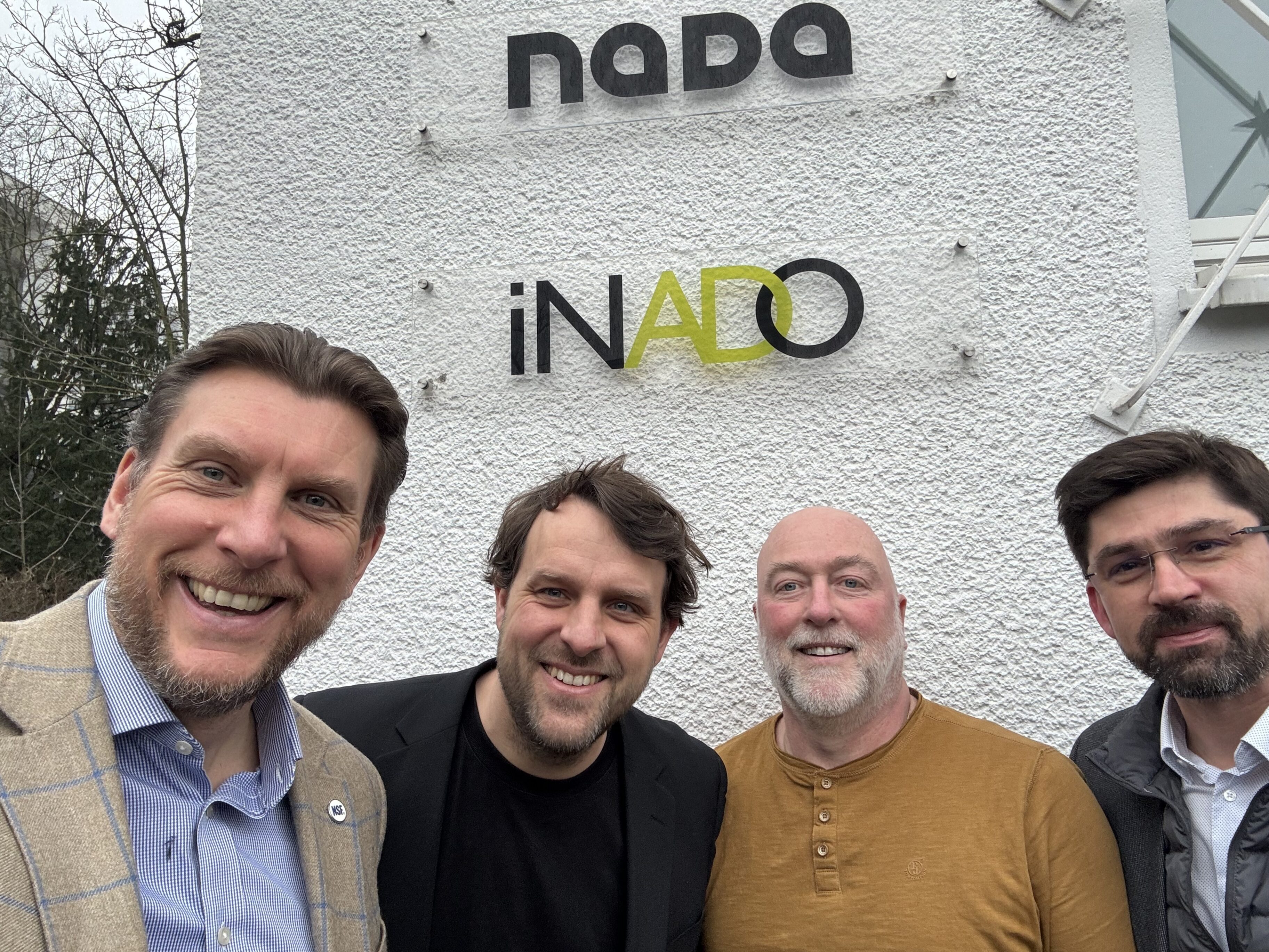
iNADO Partners with NSF to Support Members and Athletes
May 27, 2026iNADO is pleased to welcome NSF’s expertise and experience in support of its members and the athletes they serve
NSF Ends UK’s Three-Year Testing Gap with REG 31 Testing Designation
May 20, 2026NSF’s Oakdale laboratory becomes the UK’s sole facility offering comprehensive BS 6920 and REG 31 testing, closing a critical drinking water safety gap.
Tangent® Materials Announces Industry First: Tangent PolySheet™ CB Earns Certification to NSF 537, Becoming the First PFAS-Free NSF Standard 51 Food Equipment Material
May 20, 2026New food-grade synthetic cutting-board sheet, engineered from the ground up without per- and polyfluoroalkyl substances (PFAS), establishes a new materialsafety benchmark for food-contact and food-equipment applications.
NSF Expands Food Equipment Portfolio with Electrical Safety Testing and Certification
April 30, 2026Manufacturers now have a “one-stop-shop” for both sanitation and electrical safety certification, enabling market expansion and regulatory compliance.