Tips for Operating Restaurants in Winter Months
Training Is Key
One of the challenges that restaurants face is high turnover, which requires constant training and re-training of team members. Having practical, step-by-step directions – that are both easy to execute and based on science-based solutions – is paramount.
Once a program is implemented, managers and team leaders need to continually monitor and evaluate adherence to guidelines. Over time, it’s natural for people to become more complacent or relaxed with safety procedures. It’s up to managers to ensure that there is rigor in their monitoring and that they are adopting new protocols as the situation evolves.
Policies and Procedures
Preparation and planning are essential parts of a successful reopening for restaurants. In addition to spacing and plexiglass, it’s crucial to order ample PPE for staff, install hand sanitation stations and display social distancing signage to clearly articulate your COVID-19 preventative measures.
As a restaurant owner or manager, it’s essential for staff to understand the policies and procedures you have in place to mitigate the risk of COVID-19. Clear communication of expectations and guidance on how to handle non-compliant customers must be part of this reopening phase.
Customer communication is essential, and it should NOT begin at the restaurant’s front door. The restaurant’s website should outline customer-related requirements and protocols. When calling for reservations, customers should be reminded of key protocols such as mask-wearing, health screening, hygiene and entrance (distancing) protocols.
Recognize it takes time to build new habits (for staff, visitors and customers). Daily coaching and reminders (such as daily staff huddles) should be held to keep the program on track. Posters and other communication strategies serve as a good reminder as well, but they need to be changed frequently to avoid becoming wallpaper.
Tips You Can Use
- Restaurant owners can use a mirror with a caption (instead of a poster), to promote proper face covering use.
- The buddy system is also effective to help generate staff compliance and a positive safety culture.
- Owners should engage staff early on in generating ideas and protocols around COVID-19.
- It’s critical to invest in training so staff have a sense of how infection spreads and how controls can help prevent the spread.
- Armed with this knowledge, owners can help brainstorm with employees on the best ways to implement controls, such as people flow, sanitation, proximity controls, etc. Inevitably, some controls will prove to be ineffective or impractical.
- Owners should solicit feedback from staff on how well things are or are not working and be quick to implement recommended improvements.
- The same applies to gaining feedback from customers. Surveys that gauge a customer’s feedback on how they perceive the adequacy of COVID-19 controls are simple and effective.
How NSF Can Help You

What’s New with NSF

iNADO Partners with NSF to Support Members and Athletes
May 27, 2026iNADO is pleased to welcome NSF’s expertise and experience in support of its members and the athletes they serve
NSF Ends UK’s Three-Year Testing Gap with REG 31 Testing Designation
May 20, 2026NSF’s Oakdale laboratory becomes the UK’s sole facility offering comprehensive BS 6920 and REG 31 testing, closing a critical drinking water safety gap.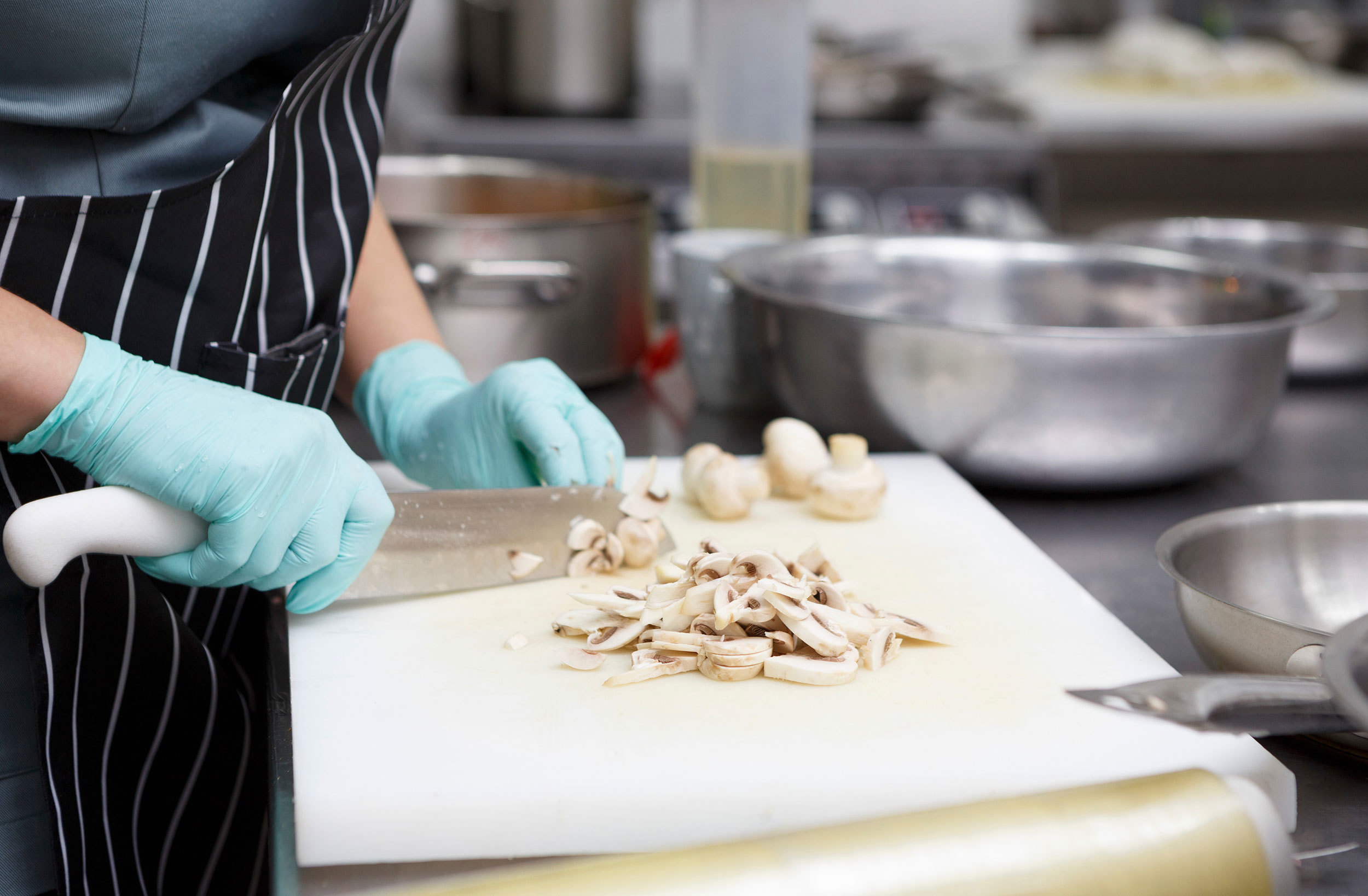
Tangent® Materials Announces Industry First: Tangent PolySheet™ CB Earns Certification to NSF 537, Becoming the First PFAS-Free NSF Standard 51 Food Equipment Material
May 20, 2026New food-grade synthetic cutting-board sheet, engineered from the ground up without per- and polyfluoroalkyl substances (PFAS), establishes a new materialsafety benchmark for food-contact and food-equipment applications.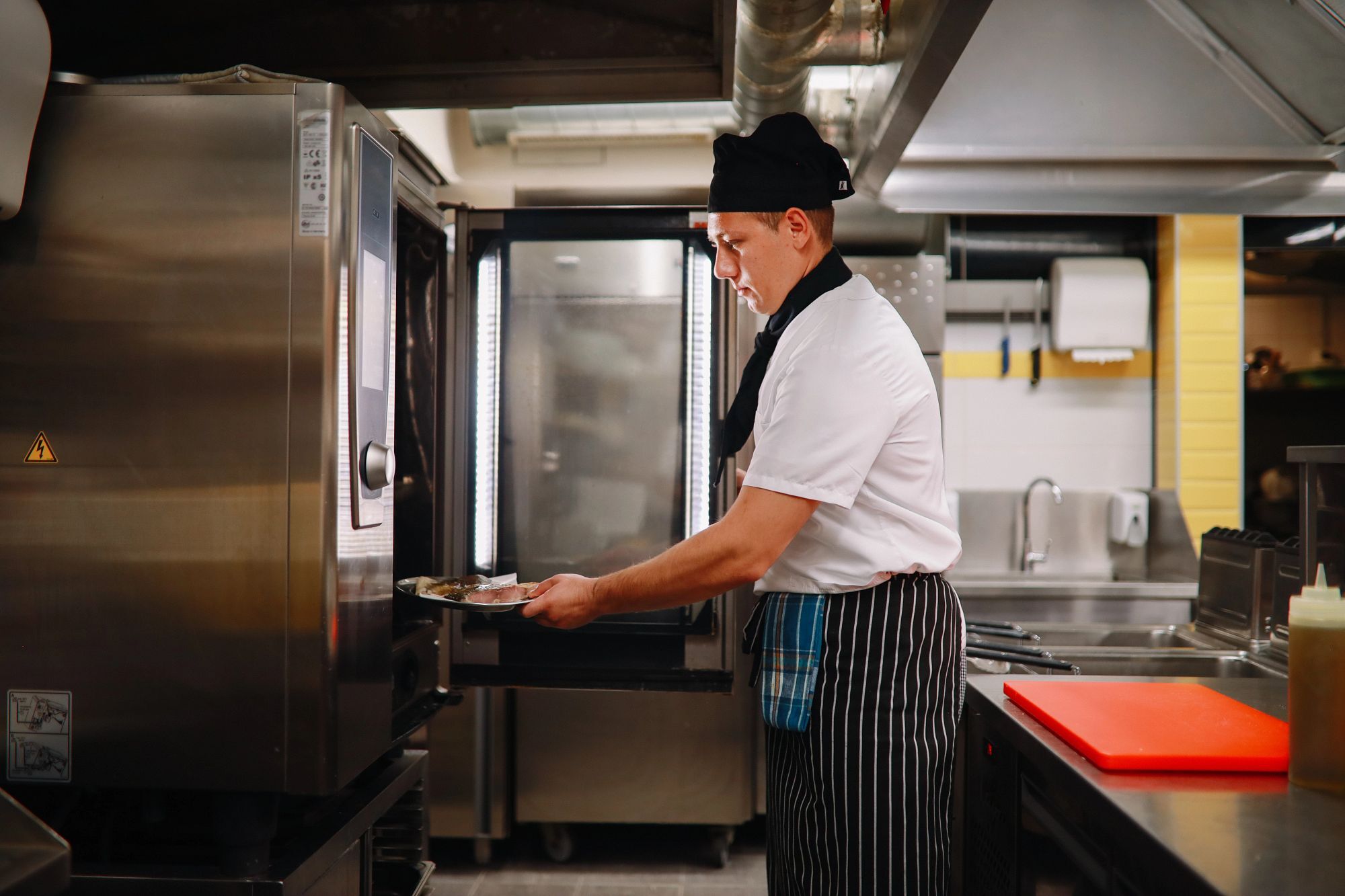
NSF Expands Food Equipment Portfolio with Electrical Safety Testing and Certification
April 30, 2026Manufacturers now have a “one-stop-shop” for both sanitation and electrical safety certification, enabling market expansion and regulatory compliance.