Understanding North American Plumbing Codes
What manufacturers need to know to access North American markets

The foundation of plumbing compliance
Plumbing codes in the United States and Canada are designed to ensure the safety, reliability, and performance of products used in building water systems. These codes define:
- Which products are permitted for installation
- Which standards those products must meet
- How compliance is demonstrated through certification
For manufacturers, understanding these requirements is essential to successfully entering and scaling in the North American market.
How U.S. plumbing codes work
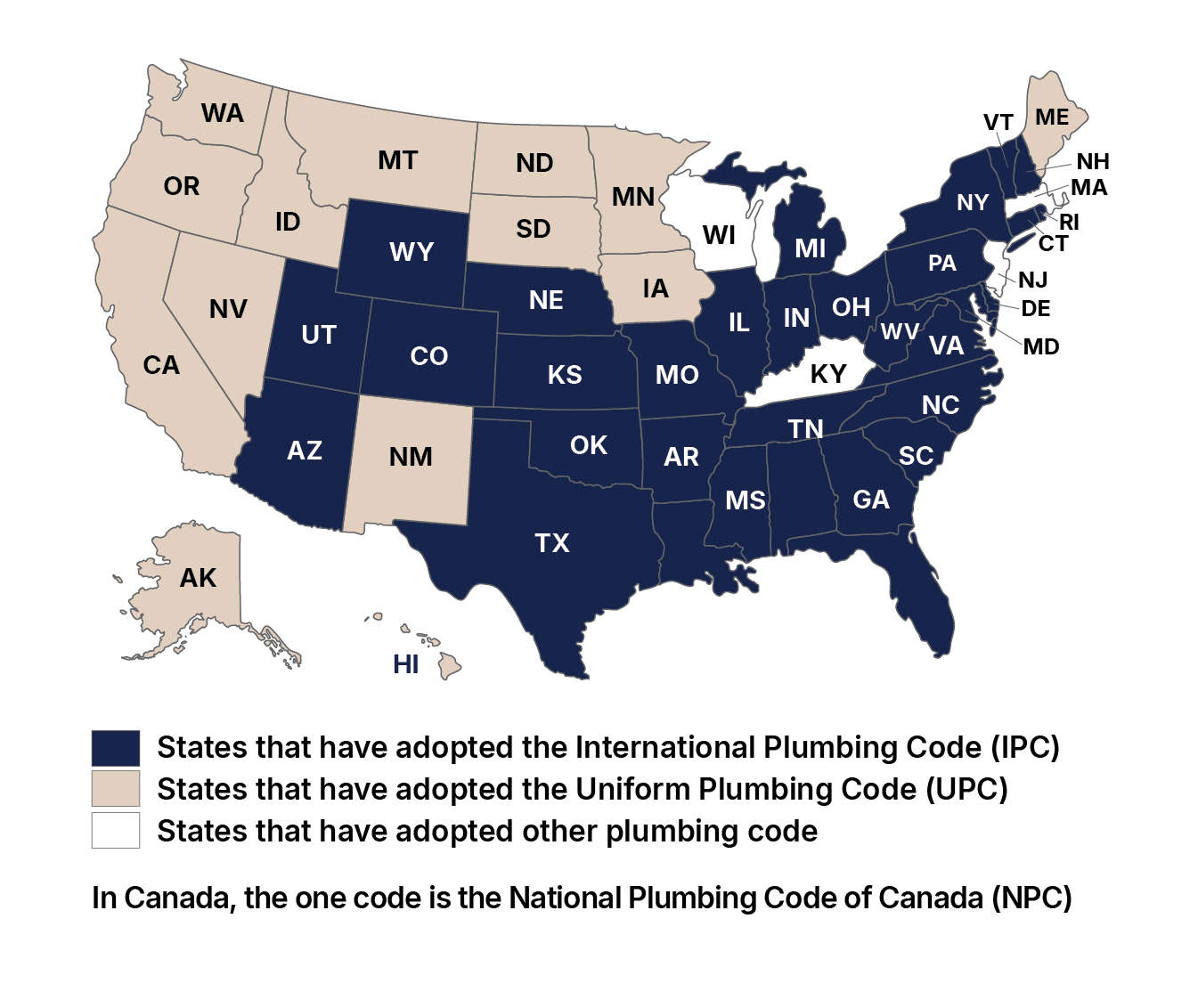
Across the United States, plumbing regulations are largely based on two model codes:
- International Plumbing Code (IPC)
- Developed by the International Code Council (ICC)
- Adopted in approximately 35 states
- Uniform Plumbing Code (UPC)
- Developed by IAPMO (International Association of Plumbing and Mechanical Officials)
- Adopted in 14 states, with others using state-specific codes
While adoption varies by jurisdiction, both codes rely on recognized standards and third-party certification to ensure product compliance.
What the UPC really requires
A common misconception in the industry is that compliance with the Uniform Plumbing Code requires:
- Listing by IAPMO.
- Use of the UPC Shield.
In reality, the UPC does not require a specific certification body. Instead, products must:
- Be certified to recognized standards.
- Be listed by an accredited organization accepted by regulators (AHJ).
The code defines a “listing agency” as any organization that:
- Is accredited by an authoritative body.
- Conducts testing, certification, and ongoing surveillance.
- Is accepted by the Authority Having Jurisdiction (AHJ).
Standards that matter
Rather than prescribing a specific certifier, plumbing codes reference technical standards products must meet. Examples include:
- NSF/ANSI 14 – Plastic piping systems as referenced in sections 301.2.3 and 604.1 of the Uniform Plumbing Code.
- NSF/ANSI/CAN 61 – Drinking water system components as referenced in section 604.1 of the Uniform Plumbing Code.
- ASTM and other material-specific standards. NSF also certifies to, ASME, ASSE, CSA and other industry standards.
Certification that meets code requirements
To be accepted, certification must come from a qualified organization that:
- Is accredited (e.g., ANSI, IAS, SCC).
- Provides product testing and ongoing factory audits.
- Publishes listings verifying compliance.
NSF meets these criteria and has decades of experience certifying plumbing products across North America.
Acceptance of NSF marks for North American plumbing codes
United States (UPC Jurisdictions)
Products bearing the NSF U.P. Code Mark are:
- Accepted in all jurisdictions using the UPC.
- Identified as certified to UPC requirements in official listings.
Canada
Products bearing the cNSFus Mark:
- Are certified to applicable Canadian standards.
- Are accepted across all provinces through SCC-accredited certification.

Both U.S. and Canadian codes accept certification from accredited organizations like NSF—not just a single certifier. NSF has over 200 companies and over 38,000 products listed to Uniform Plumbing Codes.
What this means for manufacturers
Understanding how codes work can help you:
- Avoid unnecessary certification costs.
- Streamline market entry strategies.
- Ensure acceptance across multiple jurisdictions.
- Confidently demonstrate compliance to regulators and inspectors.
What regulators look for during approval
Authorities Having Jurisdiction (AHJs) typically verify:
- Certification by an accredited body.
- Compliance with referenced standards.
- Proper product marking and listing.
They do not require a specific certification body.
Frequently Asked Questions (FAQ)
1. Do I need the UPC Shield to sell products in the U.S.?
No. The Uniform Plumbing Code does not require the UPC Shield. It requires products to be certified by an accredited listing agency to the relevant standards.
2. Does the UPC require certification by IAPMO?
No. The UPC does not mandate certification by a specific organization. Any accredited listing agency accepted by the Authority Having Jurisdiction can certify products.
3. Are NSF certifications accepted under the UPC?
Yes. NSF is an accredited listing agency. While the NSF U.P. Code Mark is optional, it isn’t mandated in the code.
4. Are NSF marks accepted in Canada?
Yes. Products certified with the cNSFus Mark are accepted across Canadian provinces when certified to applicable standards by an SCC-accredited body.
5. Can I use one certification for both the U.S. and Canada?
Yes. Certifications like NSF U.P. Code and cNSFus Marks are designed to support acceptance across both U.S. and Canadian markets when aligned with applicable standards.
Simplify your path to compliance
Navigating plumbing code requirements doesn’t have to be complex. By aligning your products with recognized standards and working with an accredited certification body, you can:
- Achieve compliance efficiently
- Gain broad acceptance in the U.S. and Canada
- Reduce friction in inspections and approvals
Learn more about plumbing fixtures, fittings and components

Work with NSF to ensure product acceptance and plumbing code compliance in all North American markets.
Get started
Talk to an expert to learn how to certify your products for North American acceptance.
What’s New with NSF
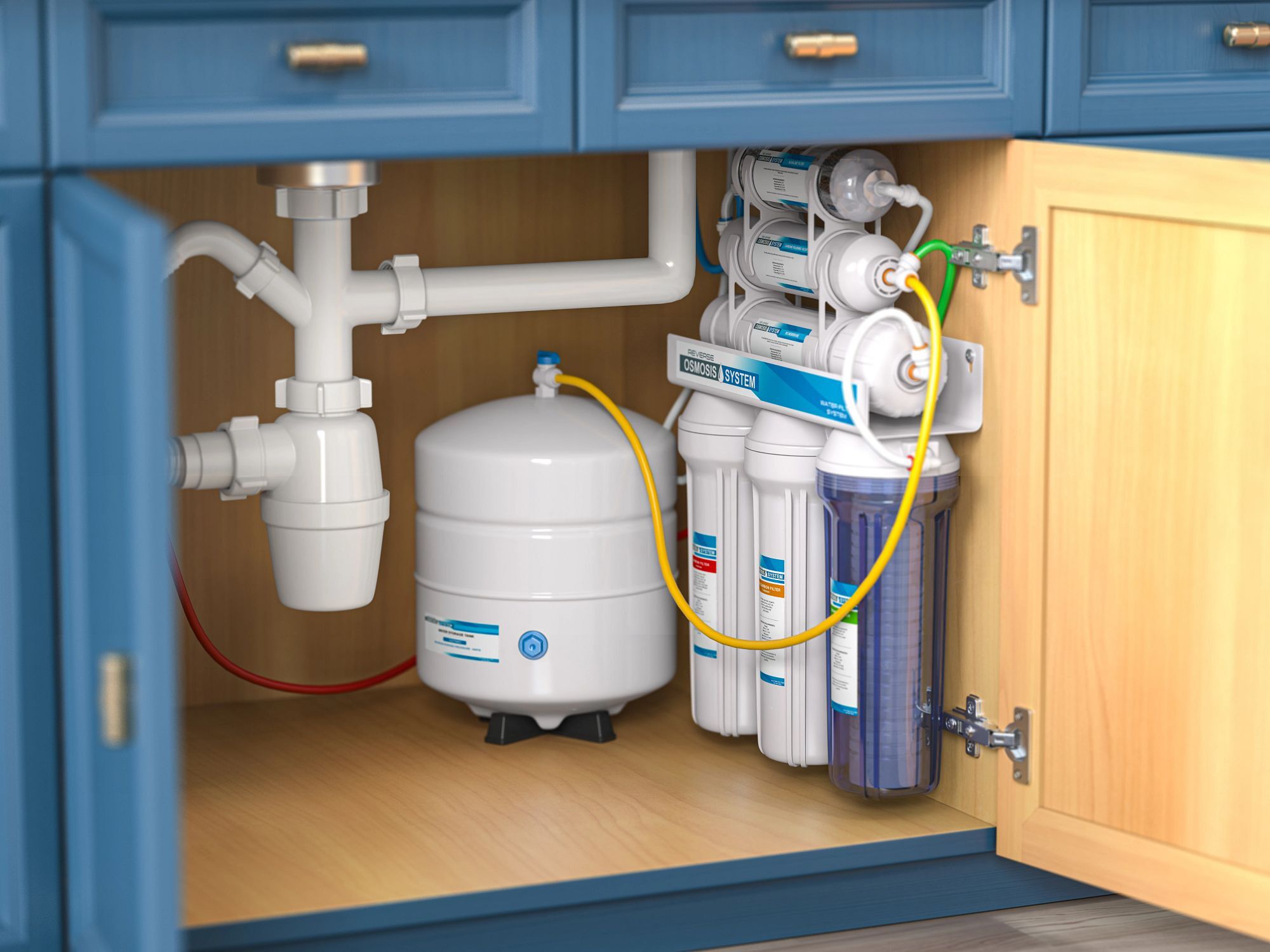
NSF Launches Protocol 549 for Glyphosate Reduction Claims
October 14, 2026P549 is the first standard globally that validates glyphosate reduction performance of water filtration systems and products.
Cambium Analytica, an NSF Company, Opens New Lab in Traverse City, Mich
October 6, 2026Ribbon cutting debuts innovative 15,000-square-foot testing facility to support evolving needs of the food & supplement industries.
NSF Drives Industry Conversations at SupplySide Global 2026 - Las Vegas, Oct. 26–30
September 17, 2026NSF returns to SupplySide Global with expert-led training and trusted certification solutions. Visit Booth 4741 to discover how NSF and Cambium Analytica help brands build trust, increase consumer confidence and stand out in a competitive marketplace.
NSF Welcomes Hanjun Kwon, Managing Director, APAC
September 14, 2026Experienced business leader to drive sustainable growth, organizational development and operational excellence across the Asia-Pacific region.