When Sustainability Meets Science
Most Laboratory professionals acknowledge that sustainability can be a challenging topic. Laboratories are environments that consume large amounts of energy with their use of temperature-controlled equipment such as freezers and chillers as well as other specialist equipment. In fact, they can typically consume three to five times more energy than office buildings, with some specialist labs often consuming even more.1
At NSF our testing labs take this challenge seriously. Year by year, we make strides to reduce energy consumption and be more sustainable whilst performing testing to support NSF standards to the same consistently high levels as required. In this article we examine three key areas of progress at NSF’s testing lab in Wales, UK.
Water conservation
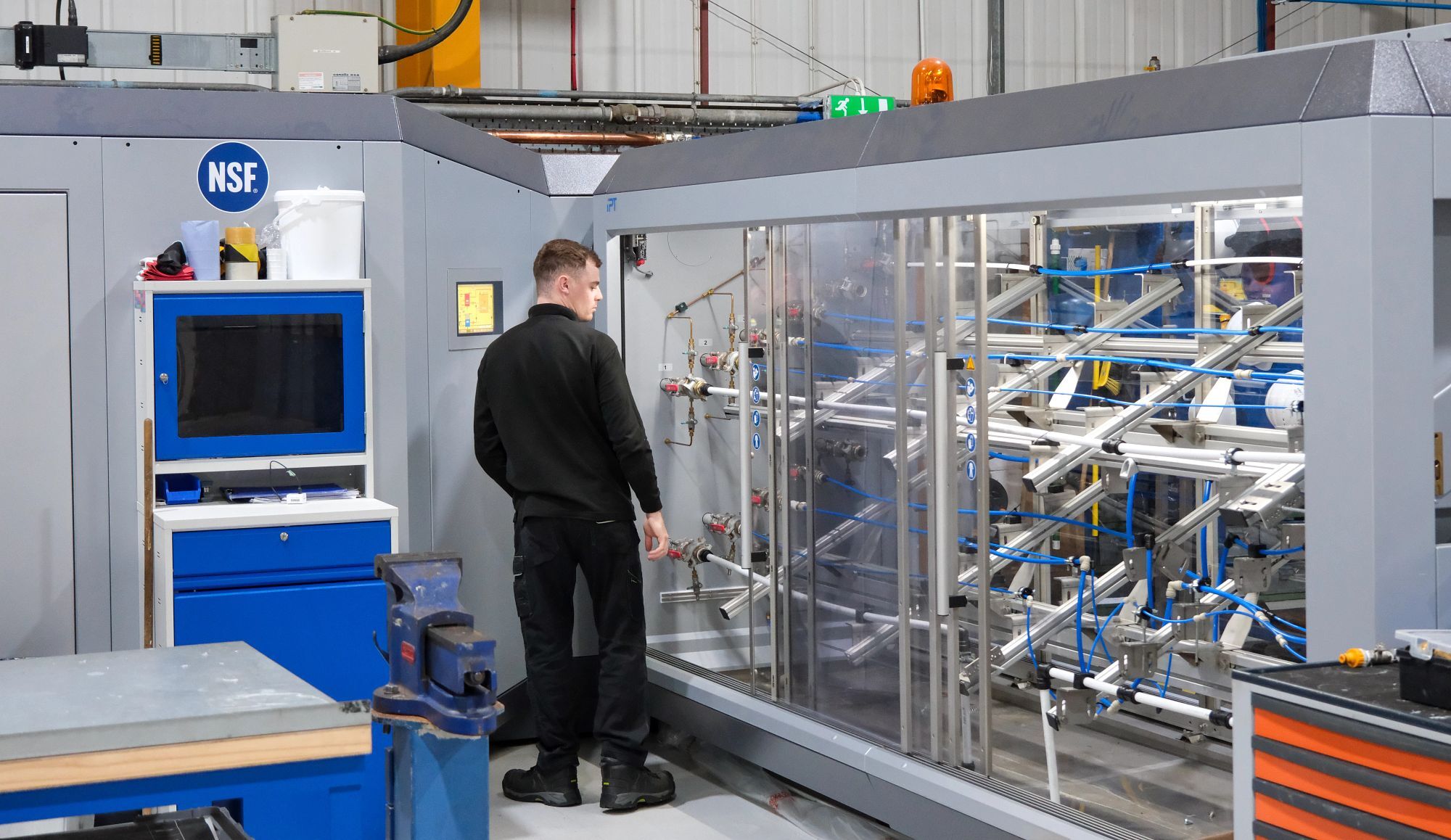
Located in Oakdale in Wales, UK, NSF has one of the world’s largest specialized test laboratories for water fittings, and serves clients from around the globe. Here we test products including water pipes, plumbing fittings, faucets, valves, materials in contact with drinking water and more. Testing supports a number of regional programs including NSF REG4 certification, NSF TMV certification, WRAS approval or BS 6920 testing to comply with UK regulations.
Being a water product testing lab, the lab naturally uses plenty of one of the planets most precious resources, water.
So, as it becomes increasingly important for everyone to conserve water and use it carefully, it’s impressive to see what the team in our laboratory have achieved. From 2022 to 2023 the lab saved 324 million litres of water (85 million US gallons) per year! To put it into perspective, that’s nearly 130 Olympic sized swimming pools worth of water. This was achieved in a number of ways including installing a closed loop system for all product test rigs in the lab. An impressive 95% of water is recycled due to this process.
Cutting energy consumption
There’s also a relentless focus on cutting the lab’s environmental footprint by using less energy. From 2022 to 2023 our team reduced energy consumption by 19% through implementation of energy efficient measures across the site. Every aspect of energy use is examined. For example, a rigorous new maintenance program for the heating ventilation and air conditioning (HVAC) systems was implemented which contributed to the efficiencies. What’s also impressive is that all this was achieved whilst increasing the volume of testing being performed.
Responsible recycling
Waste management is also crucial to running a lab in an environmentally responsible manner. The lab in Wales has adopted a circular economy approach for a number of years. In fact, recycling of lab waste streams is consistent with UN Sustainable Development Goal 12, "Responsible Consumption and Production” and the Welsh Government focus of businesses being able to recycle all waste streams. At Oakdale, all waste streams, including paper/cardboard, glass, tins, wood, metal, WEEE, batteries, are meticulously segregated and then responsibly recycled and handled by a licenced waste contractor with certificates issued.
Why sustainability is important for NSF Labs
Working in a more sustainable manner is not a choice for our labs, it’s an imperative. It’s also part of our mission to improve human and planet health.
“Sustainability is at the core of our NSF values. The continuous improvement strategies that NSF in Wales has adopted are not only focussed on productivity and improving client service. They also fully embrace our company mission of improving human and planet health.” Simon Hubbard, Senior Director Global Laboratories
Learn more about European Approvals and Certifications that NSF can support

Sources:
1 www.arup.com/insights/low-energy-laboratories/
Do your products need testing?
What’s New with NSF
iNADO Partners with NSF to Support Members and Athletes
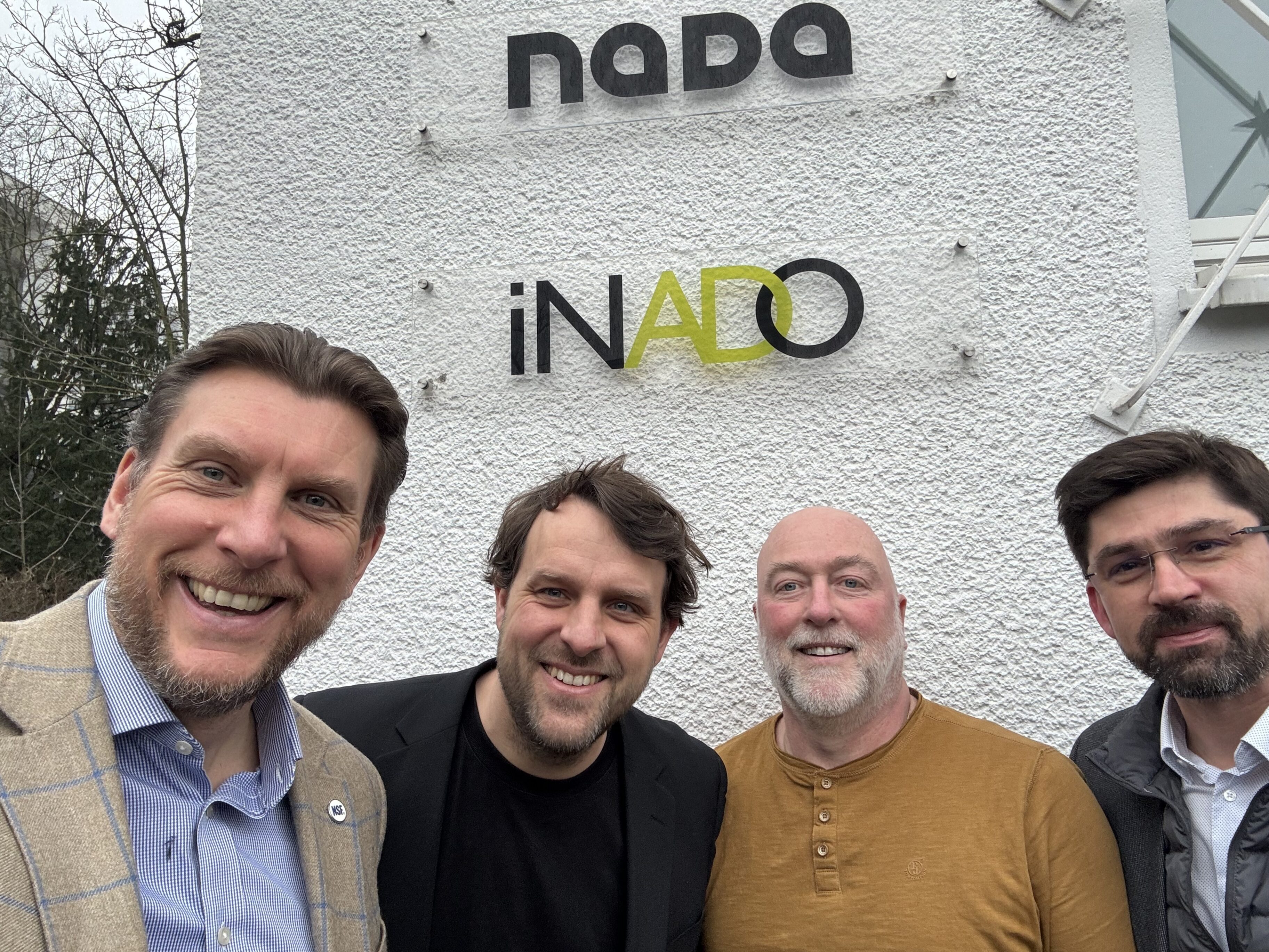
May 27, 2026iNADO is pleased to welcome NSF’s expertise and experience in support of its members and the athletes they serve
NSF Ends UK’s Three-Year Testing Gap with REG 31 Testing Designation
May 20, 2026NSF’s Oakdale laboratory becomes the UK’s sole facility offering comprehensive BS 6920 and REG 31 testing, closing a critical drinking water safety gap.
Tangent® Materials Announces Industry First: Tangent PolySheet™ CB Earns Certification to NSF 537, Becoming the First PFAS-Free NSF Standard 51 Food Equipment Material
May 20, 2026New food-grade synthetic cutting-board sheet, engineered from the ground up without per- and polyfluoroalkyl substances (PFAS), establishes a new materialsafety benchmark for food-contact and food-equipment applications.
NSF Expands Food Equipment Portfolio with Electrical Safety Testing and Certification
April 30, 2026Manufacturers now have a “one-stop-shop” for both sanitation and electrical safety certification, enabling market expansion and regulatory compliance.