New NSF Cage-Free and Free-Range Protocol Brings Clarity to Ambiguous Egg Claims, Introduces “Made With” Certification
Consumers and retailers are now able to more safely vet shell eggs and products made with eggs.
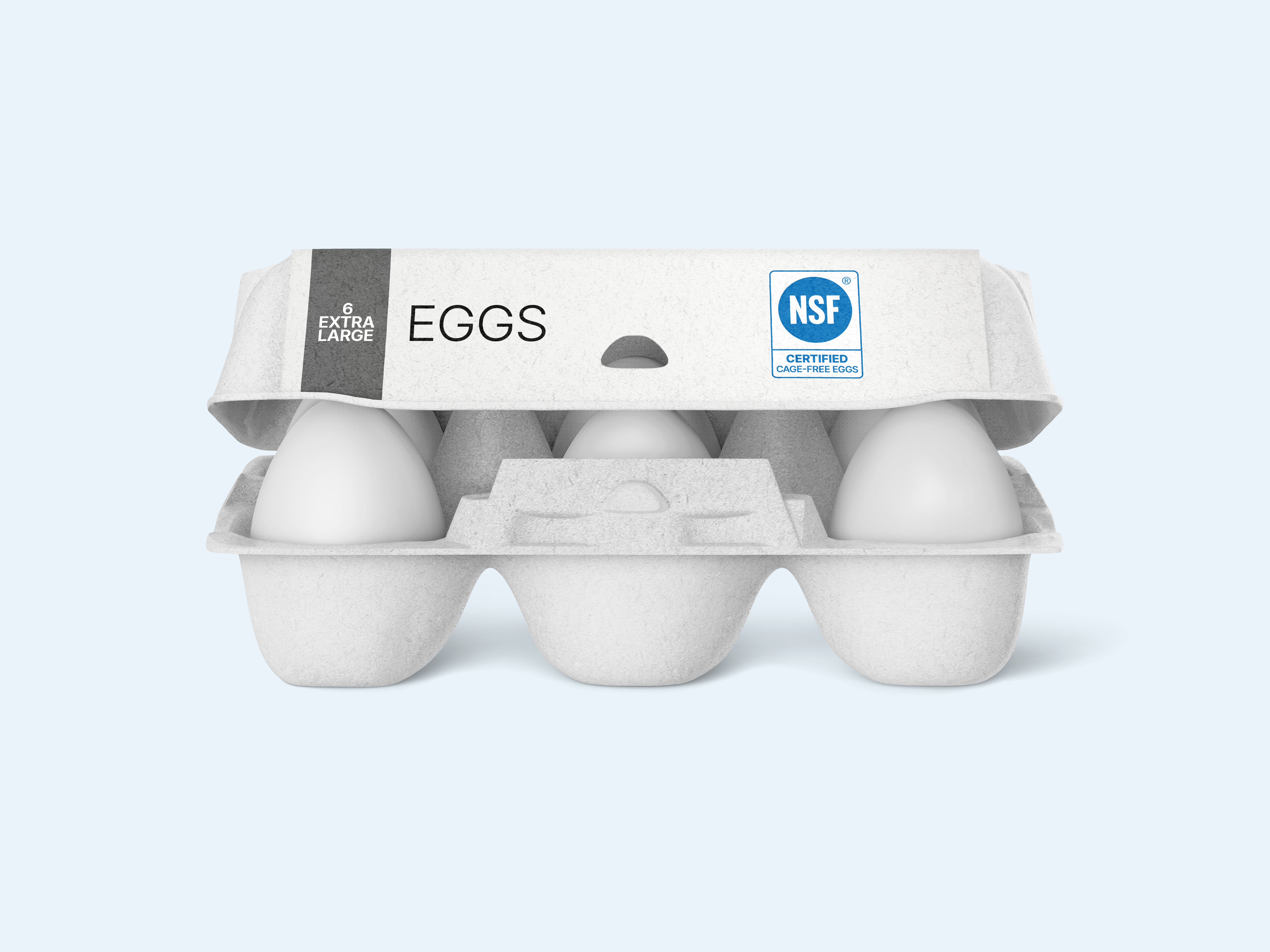
Ann Arbor, Michigan – NSF, a leading global organization dedicated to protecting human health, today launched NSF Cage-Free and Free-Range Certification, which provides greater transparency to consumers purchasing eggs and products made with eggs.
“The cage-free egg market is expected to double by 2035, yet cage-free and free-range label claims are often ambiguous and without verification from an independent third party such as NSF,” said Carey Allen, Director of Food Claims at NSF. “This new certification sets rigorous requirements for both cage-free and free-range claims, notably including ‘made with cage-free or free-range’ egg products and providing consistency in practices for producers and brands bearing these claims across the industry.”
The protocol’s independent verification of “made with” cage-free or free-range eggs is new to the industry and reviews multi-ingredient food products and menu items made with compliant eggs. With the certification, hotels and restaurants can clearly indicate verified options on dining menus.
According to NSF research, nearly 70% of American consumers consider animal wellness when making purchasing decisions. The verification framework incorporates NSF’s Global Animal Wellness Standards (GAWS), which take a holistic approach aligned with the Five Freedoms principles but extend further to include environmental conditions and the social and emotional well-being of animals. Critical aspects are addressed, including outdoor access requirements, living conditions and humane treatment protocols.
“NSF’s Cage-Free and Free-Range certification sets a new benchmark for best practices and transparency in egg production, benefiting producers, retailers and consumers,” said Phaedra Ruffalo, former Senior Director of Market Development at the American Egg Board and Founder and CEO of Surge Innovators, a US-based foodservice consulting firm. “This science-based protocol establishes clear, enforceable requirements, helping certified products to further address consumer demand, evolving regulations and market expansion.”
Eligible product categories include shell eggs produced by avian species, including chicken, duck and quail. The certification process includes technical documentation review, audits of all sites involved in the production of the products (e.g. farms and processing/packaging facilities) and the correction of any non-conformances.
The Cage-Free certification, which ensures that birds are not kept in battery cages and have freedom of movement within barns, is available in a Free-Run variation, making NSF the only company to verify “free-run” claims in Canada. Free-Range certification incorporates the same requirements, with the addition of requiring outdoor access for birds with a minimum of six hours daily during daylight hours when weather permits.
Certified companies receive a certificate listing all involved sites and/or certified products. Certification must be renewed annually and involve an annual audit.
Learn more about NSF’s Cage-Free and Free-Range Certification

Build consumer trust and meet buyer requirements with verified cage-free and free-range certification.
How NSF Can Help You

What’s New with NSF

NSF Launches Protocol 549 for Glyphosate Reduction Claims
October 14, 2026P549 is the first standard globally that validates glyphosate reduction performance of water filtration systems and products.
Cambium Analytica, an NSF Company, Opens New Lab in Traverse City, Mich
October 6, 2026Ribbon cutting debuts innovative 15,000-square-foot testing facility to support evolving needs of the food & supplement industries.
NSF Drives Industry Conversations at SupplySide Global 2026 - Las Vegas, Oct. 26–30
September 17, 2026NSF returns to SupplySide Global with expert-led training and trusted certification solutions. Visit Booth 4741 to discover how NSF and Cambium Analytica help brands build trust, increase consumer confidence and stand out in a competitive marketplace.
NSF Welcomes Hanjun Kwon, Managing Director, APAC
September 14, 2026Experienced business leader to drive sustainable growth, organizational development and operational excellence across the Asia-Pacific region.