Drinking Water Testing
Many consumers want to test their well or municipal water for contaminants and impurities. Without having your water tested, it can be difficult to determine whether you need a water treatment system or what type of system would be best for you. Here are some factors to consider when testing your water and selecting a filtration product.
Finding a Laboratory
There are many laboratories that offer private well testing and many states that have water testing laboratories available. If you choose to search online, you may want to use the keywords “accredited” and “water” to find a water testing laboratory near you. Accredited laboratories have been independently evaluated as technically competent to provide accurate test data. These accredited laboratories are not typically associated with any industry or manufacturer.
Collection of Water Samples
Once you locate a laboratory, follow the instructions on collecting the sample properly to obtain the most accurate results. For example, suppose you are collecting a water sample for lead or copper testing. In that case, the recommendation is to let the water sit overnight and take a “first draw” water sample – meaning fill the sample bottle from the kitchen tap before running any water for the day. A second example would be for a coliform bacteria sample. Remove any screen from the water faucet to collect this type of sample. There is typically a recommendation to run the water before filling the sample bottle. These samples need to be kept cold, so you should take the sample directly to the post office or keep it in the refrigerator until it can be mailed in or dropped off. Remember to closely follow the instructions for each test you choose to have analyzed.
Water Testing and Results
Determining what testing to do on your healthy or municipal water can be challenging, and the costs can add up. It may be helpful to visit your local health department’s environmental health division to ask for information on what has been typically found in groundwater in your area. Some typical testing may include:
- Coliform bacteria
- E. coli
- Nitrate/nitrite
- Arsenic
- Hardness
- Volatile organic chemicals
- Metals
- Lead/copper
- Inorganic chemicals
Some homeowners may be concerned about radon, radium 226/228 or gross alpha radiological contaminants. While NSF is accredited for this water testing, we only have the capacity for public community water systems and testing as part of certification for a product. You may search online for “accredited radiological water testing labs” to find one near you or one that accepts mail-order radiological water testing.
Water Filters and Treatment Systems
In the last decade, interest in home drinking water treatment products has grown tremendously. Unfortunately, it isn’t always easy to know whether a particular product is as safe and effective as the manufacturer claims in reducing contaminants in your drinking water. If you add a water filter to your home, looking for filters and treatment systems with the NSF mark is essential. NSF-certified products are key to ensuring they meet strict public health protection standards.
Source:
1www.michigan.gov/egle/public/services/drinking-water-testing
Contaminant Reduction Claims Guide
Selecting a Home Water Treatment System?
How NSF Can Help You

What’s New with NSF

Information Systems Security Association (ISSA) Welcomes NSF’s Brian Schultz into the 2026 Hall of Fame
September 10, 2026Lifetime achievement recognition honors exceptional leadership and lasting contributions to the cybersecurity profession.NSF Welcomes Nicole Parent Haughey to Board of Directors
September 10, 2026NSF's appointment of Nicole supports the organization's continued focus on long-term growth and transformation.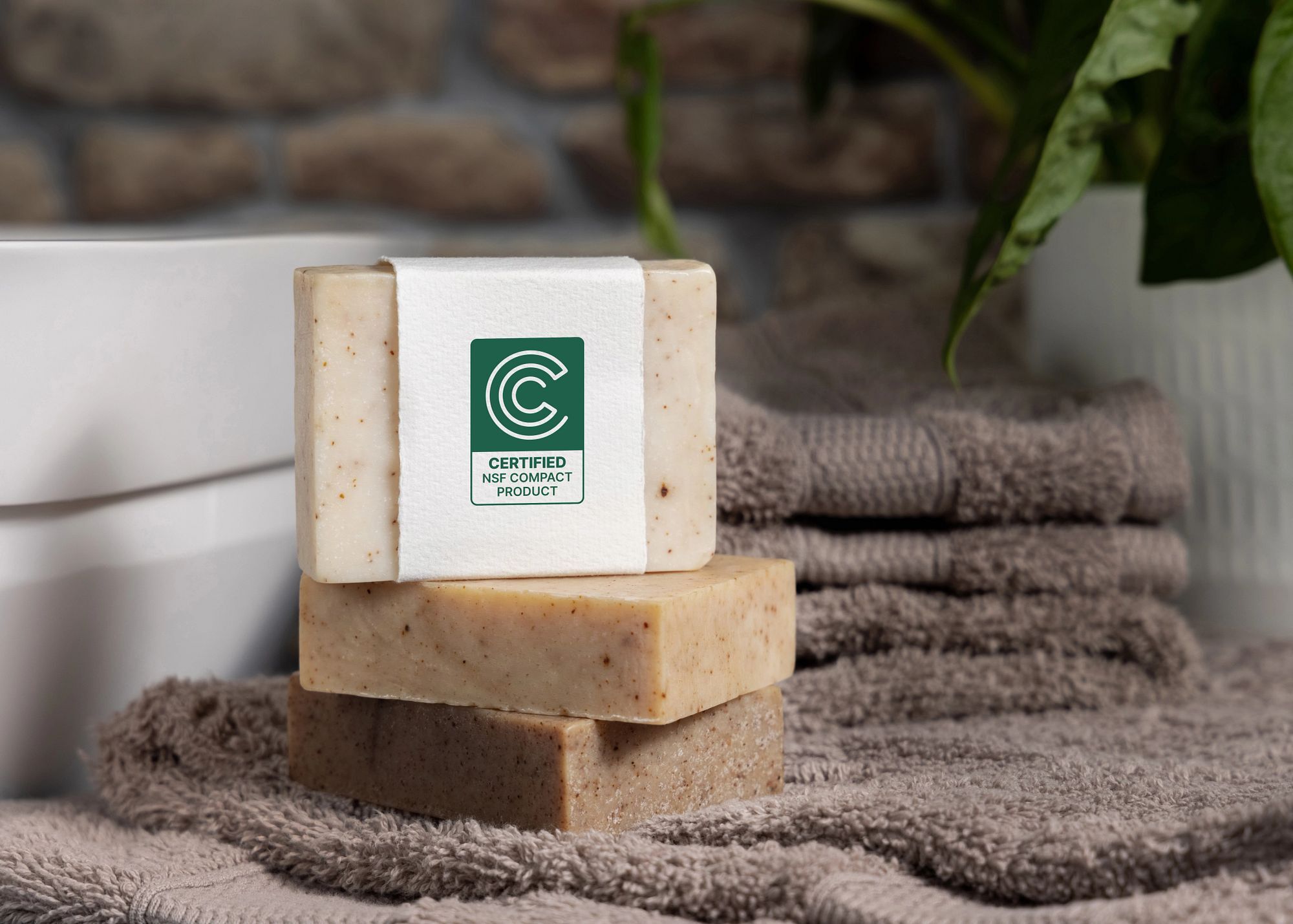
NSF Launches Independent Certification Standard for Compact Products
August 25, 2026New third-party certification verifies products cutting materials and shipping impacts while maintaining safety and performance.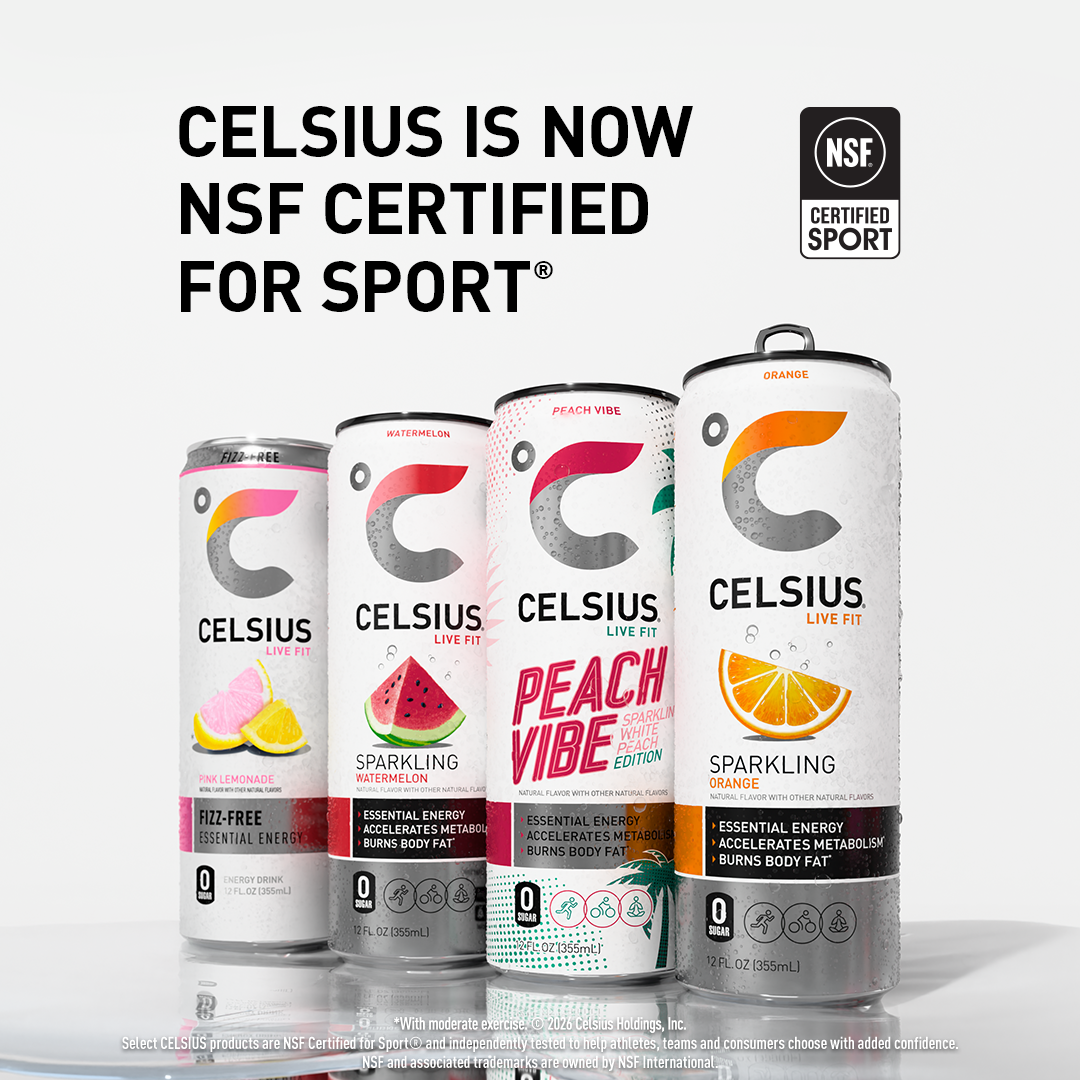
CELSIUS® Products Earn NSF Certified for Sport® Certification
August 20, 2026CELSIUS® has earned NSF Certified for Sport® certification for select products, including the CELSIUS VIBES line, reinforcing the brand’s commitment to quality, transparency and consumer trust.