Germiest Items in Public Places
As part of NSF’s ongoing Scrub Club® handwashing public service campaign, our microbiologists set out to find out where germs hide in schools and other public places. Teaming up with Real Simple magazine, NSF’s experts swabbed key surfaces in local schools, grocery stores and other public places
Although not all germs are harmful, the existence of germs on the tested surfaces indicates that there are favorable conditions for microorganisms to grow and survive, which could create an environment for disease-causing viruses and bacteria, such as E. coli and Salmonella. In other words, the higher the level of bacteria, the higher the probability that some of those bacteria are harmful.
The Results
As part of this study, NSF microbiologists swabbed 26 different public places, testing for the level of aerobic plate count (APC), also known as the general bacterial population, at each location. Our team found that the location that harbored the highest level of bacteria was a playground sandbox, revealing a combined count of 7,440 aerobic bacteria, yeast and mold per gram. Sandboxes are an ideal setting for bacteria, as they are not only exposed to wildlife, such as cats and raccoons, but they can also hold on to bacteria that is left from human contact, such as saliva, food items and other bacteria from human hands.
| Most Bacteria (Over 100 APC CFU/in2) | Relatively Clean (10-100 APC CFU/in2) | Clean (Less than 10 APC CFU/in2) |
|---|---|---|
|
|
|
Video game controllers were also found to have high numbers of germs. When NSF’s microbiologists swabbed a game controller at a movie theatre that had just recently been cleaned by staff, the test results still showed an APC count of 551 bacteria per inch2. Aside from a musical instrument and a restaurant serving tray, which showed APC counts in the 200s, the rest of the 22 swabbed locations produced an APC count below 100, which by many standards is considered clean.
Three growth factors determine a surface’s potential for harboring germs and bacteria: the type of surface, temperature and moisture level. Non-smooth, warm and moist areas tend to create ideal conditions for thriving bacteria to grow and hide.
In past studies, NSF found that objects such as water fountain spigots and cafeteria trays had more microorganisms than commonly cleaned areas, such as bathrooms and gym mats. Although NSF’s findings are a snapshot in time at the tested sites, the results reveal that we all need to be vigilant about sanitizing those hard-to-reach areas that people may forget to clean. It also reinforces the importance of teaching proper handwashing from an early age to protect against potentially harmful bacteria, viruses and other germs.
How NSF Can Help You

What’s New with NSF
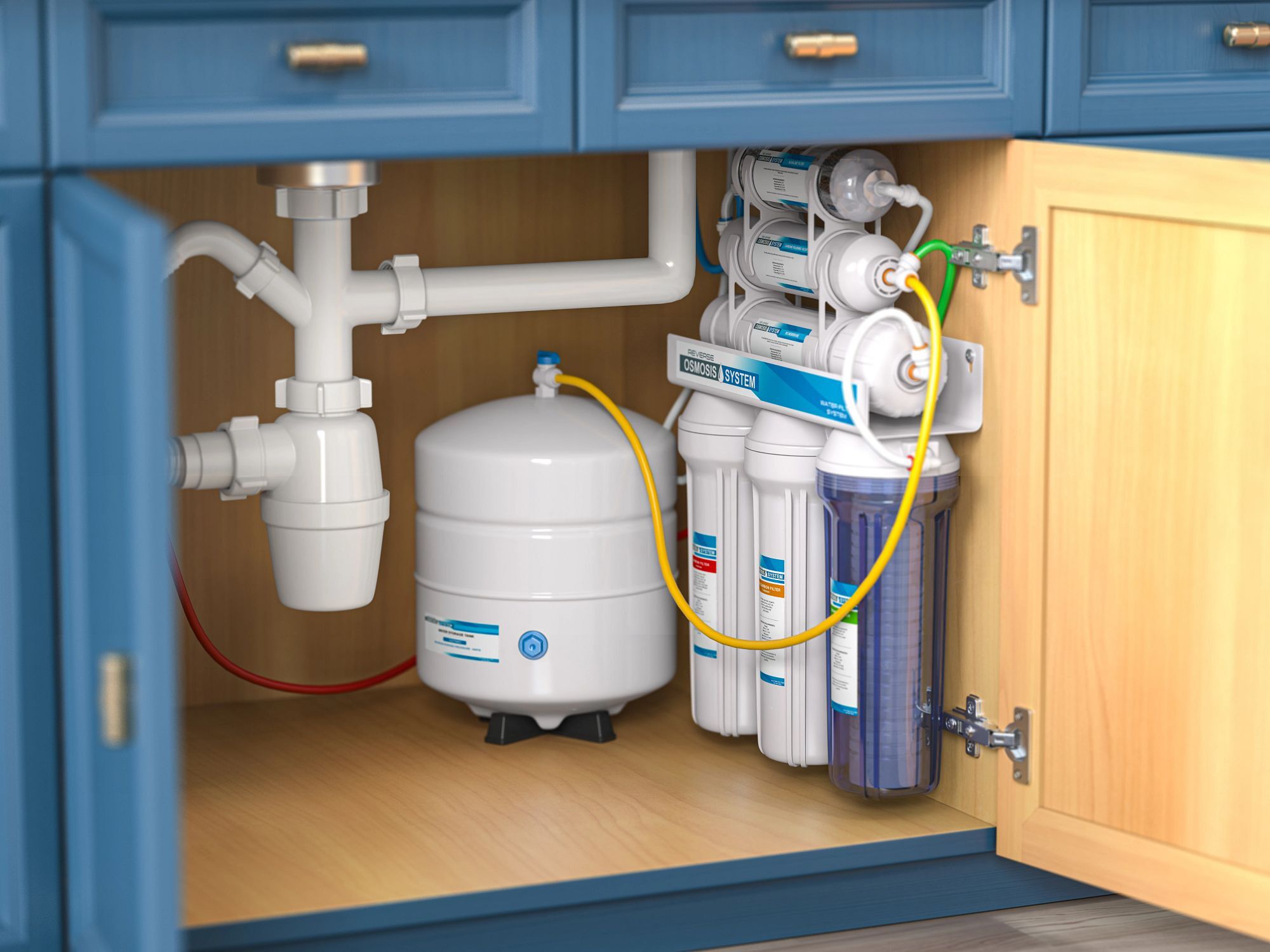
NSF Launches Protocol 549 for Glyphosate Reduction Claims
October 14, 2026P549 is the first standard globally that validates glyphosate reduction performance of water filtration systems and products.
Cambium Analytica, an NSF Company, Opens New Lab in Traverse City, Mich
October 6, 2026Ribbon cutting debuts innovative 15,000-square-foot testing facility to support evolving needs of the food & supplement industries.
NSF Drives Industry Conversations at SupplySide Global 2026 - Las Vegas, Oct. 26–30
September 17, 2026NSF returns to SupplySide Global with expert-led training and trusted certification solutions. Visit Booth 4741 to discover how NSF and Cambium Analytica help brands build trust, increase consumer confidence and stand out in a competitive marketplace.
NSF Welcomes Hanjun Kwon, Managing Director, APAC
September 14, 2026Experienced business leader to drive sustainable growth, organizational development and operational excellence across the Asia-Pacific region.