Organic Product Labels

Looking to make healthier, more sustainable choices for you and your family? Purchasing, consuming and using organic products is a great place to start.
With “greenwashing” on the rise, it can be hard to trust product labels. Some of the most popular claims on products today include “clean,” “natural,” “regenerative,” “free-range,” “sustainably harvested” and “green.” None of these claims are federally regulated, but “organic” is. All products labeled “organic” in the United States must meet the requirements of the USDA National Organic Program (NOP). Labeling requirements are based on the percentage of organic ingredients in the product.
Here’s our guide to understanding product labels containing the word “organic.”
Products Labeled as “100% Organic” or “Organic”
Products labeled as “100% organic” must contain only organically produced ingredients and processing aids, excluding water and salt. No other ingredients or additives are permitted.
Products labeled “organic” must contain at least 95% organically produced ingredients (excluding water and salt). Any remaining ingredients must consist of non-agricultural substances that appear on the NOP National List of Allowed and Prohibited Substances.
Products meeting either of these labeling requirements may display these phrases, as well as the percentage of organic content, on the product’s principal display panel.
Organic products bearing either of these labels must be grown, handled and processed without the use of pesticides or other synthetic chemicals, irradiation, fertilizers made with synthetic ingredients or bioengineering. The USDA seal and the seal or mark of the organic certifying agent(s) may appear on product packages and in advertisements.
Products Labeled as “Made with Organic _______”
Processed products that contain at least 70% organic ingredients may state “made with organic (insert up to three ingredients, food groups, or combination of ingredient and food groups)” on the principal display panel. For example, a soup made with at least 70% organic ingredients and only organic vegetables may claim “soup made with organic peas, potatoes and carrots” or “soup made with organic vegetables.” Organic ingredients must be identified on the information panel (e.g. “organic carrots”) or via an asterisk or other mark.
Similar to other organic products, processed products labeled “made with organic _______” cannot be produced using any processes prohibited by the NOP. The percentage of organic content and the certifying agent’s mark may be used on the principal display panel. However, the USDA organic seal cannot be used anywhere on the package.
Processed Products Containing Organic Ingredients
Processed products containing less than 70% organic ingredients cannot use the term “organic” anywhere on the principal display panel. They are permitted to identify specific ingredients that are organically produced on the ingredients statement on the information panel.
Personal Care Products Containing Organic Ingredients
Cosmetics, lotions, soaps, shampoos and other personal hygiene products certified for compliance with NSF/ANSI 305 are permitted to bear the NSF “contains organic ingredients” mark confirming compliance with this standard. The product label must also state the exact percentage of organic content on the label.
The NOP requires that all products bearing any of the above organic labels identify each organically produced ingredient in the ingredient statement on the information panel. In addition, the name of the certifying agent of the final product must be displayed on the information panel.
Note: Personal care products, textiles and dietary supplements fall outside the USDA’s authority. They may be certified to the NOP but are not required to by law.
Read more about personal care products containing organic ingredients.
How NSF Can Help You
What’s New with NSF
NSF Launches Protocol 549 for Glyphosate Reduction Claims
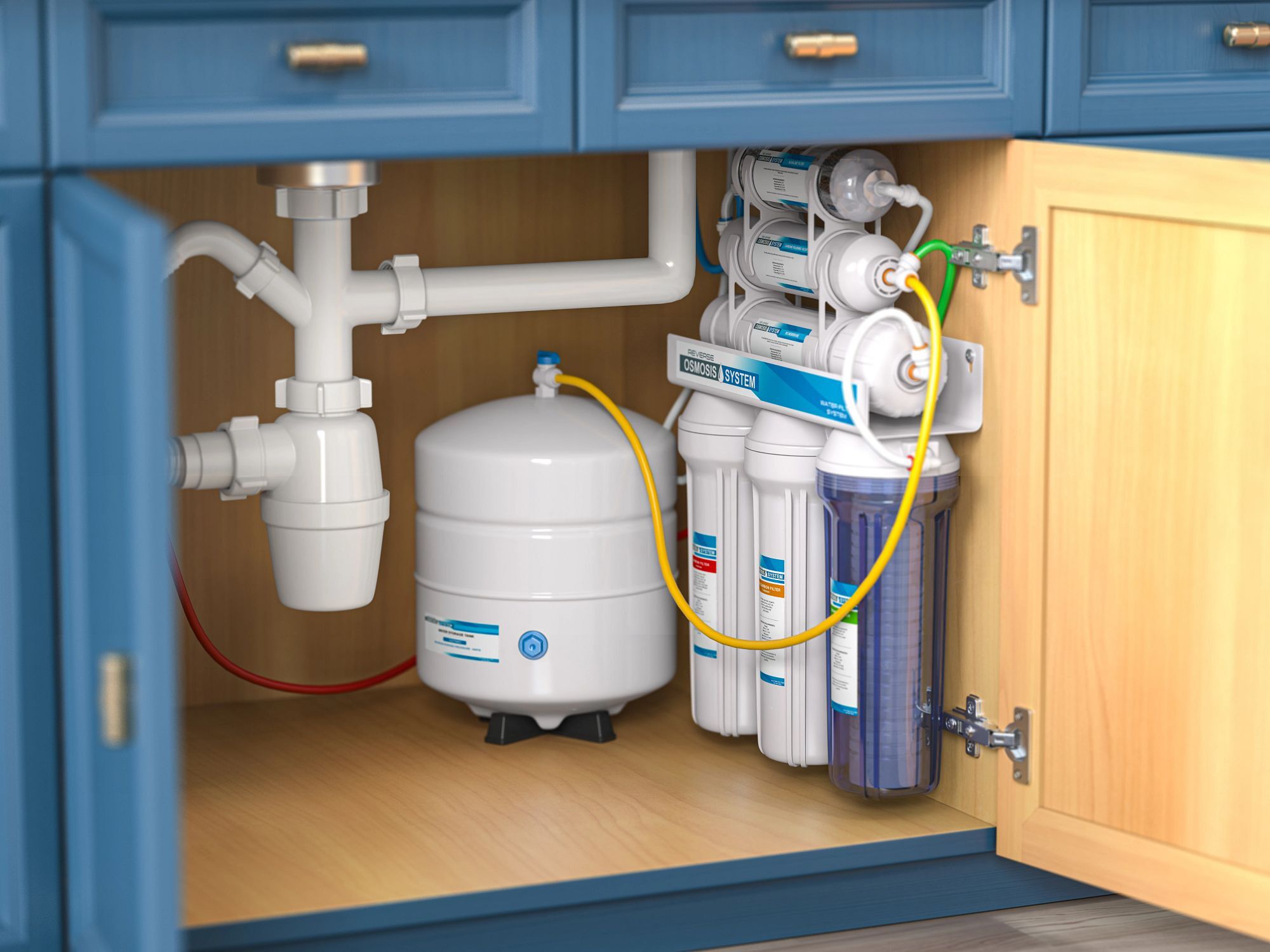
October 14, 2026P549 is the first standard globally that validates glyphosate reduction performance of water filtration systems and products.
Cambium Analytica, an NSF Company, Opens New Lab in Traverse City, Mich
October 6, 2026Ribbon cutting debuts innovative 15,000-square-foot testing facility to support evolving needs of the food & supplement industries.
NSF Drives Industry Conversations at SupplySide Global 2026 - Las Vegas, Oct. 26–30
September 17, 2026NSF returns to SupplySide Global with expert-led training and trusted certification solutions. Visit Booth 4741 to discover how NSF and Cambium Analytica help brands build trust, increase consumer confidence and stand out in a competitive marketplace.
NSF Welcomes Hanjun Kwon, Managing Director, APAC
September 14, 2026Experienced business leader to drive sustainable growth, organizational development and operational excellence across the Asia-Pacific region.