PFAS in Drinking Water
Exposure to unsafe levels of PFAS concentrations through drinking water may result in health effects.
Per and polyfluoroalkyl substances (PFAS) are man-made chemicals that are widely used in the manufacturing of many industrial and consumer products, such as paper and cardboard food packaging, insecticides, electronics, stain repellants, paints, firefighting foam and non-stick cooking surfaces.
PFAS may be released into the environment either during manufacturing or as a result of product use, and as a result have been found in drinking water supplies. PFAS do not break down easily, making them persist in the environment and earning them the nickname “forever chemicals”. PFAS can accumulate in organisms, potentially leading to negative health effects.
Potential health effects from PFAS
Exposure to unsafe concentrations of PFAS in drinking water may result in health effects, including developmental effects to fetuses during pregnancy, cancer, liver effects, immune effects and thyroid effects.¹, ²
In April 2024, the US EPA issued the first-ever national, legally enforceable drinking water standard for PFAS in drinking water. This rule sets maximum contaminant levels (MCL’s) for PFOA at 4.0 ppt, PFOS at 4.0 ppt, PFHxS at 10 ppt, PFNA at 10 ppt, and HFPO-DA (also known as GenX) at 10 ppt. Additionally, the rule established a hazard index for mixtures containing two or more of PFHxS, PFNA, HFPO-DA, and PFBS.³
What to do if there is a PFAS water advisory
Don't boil your water. Boiling water that contains PFAS will not reduce exposure risk. Follow the advice of your municipal water authority regarding using water for drinking, cooking, bathing, dish washing, providing to pets, or filtering during the advisory.
How to reduce PFAS in drinking water
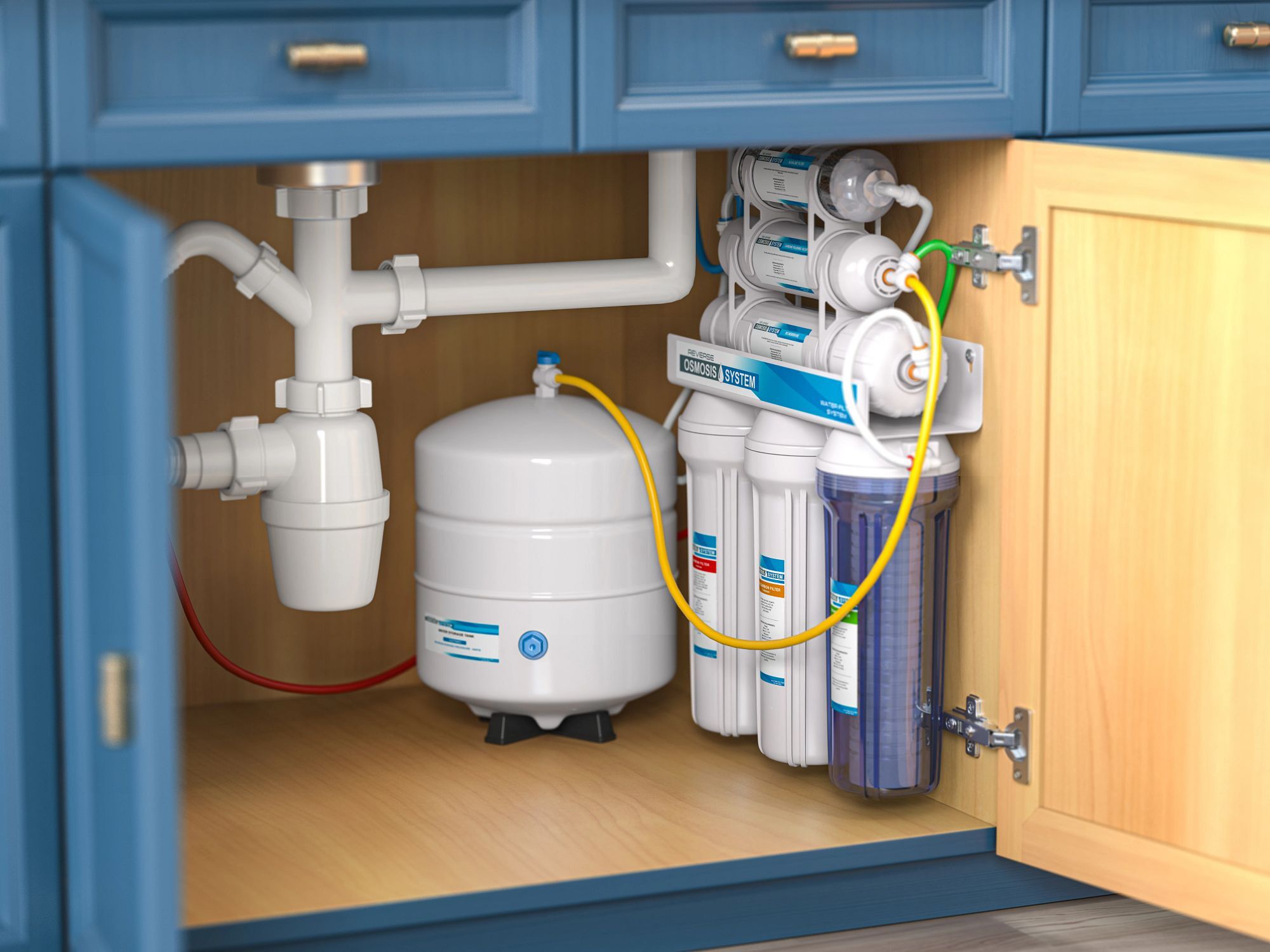
Using water treatment devices certified to NSF/ANSI Standard 53: Drinking Water Treatment Units -Health Effects, or NSF/ANSI Standard 58: Reverse Osmosis Systems is an effective way to limit exposure to PFAS.
In accordance with these standards, NSF Certification provides independent, third-party validation that:
- The contaminant reduction claims for PFAS shown on the label have been validated.
- The system meets strict material safety and structural integrity requirements.
- The product labeling, advertising and literature are not misleading.
To make a PFAS reduction claim, a water filter must be able to reduce PFAS to below 20 parts per trillion. NSF-certified products must be retested periodically, and manufacturing facilities must be inspected annually to ensure that products continue to meet all requirements.
Task groups and subtask groups serving under the NSF Drinking Water Treatment Units Joint Committee have been working to propose updates to NSF/ANSI Standard 53 and NSF/ANSI Standard 58 to align with the EPA final PFAS rule. Once this work is complete, a ballot will be submitted to incorporate the updates into the standards. Once a ballot passes both the Joint Committee and Public Health Council, the updates will be implemented.
Any proposed updates to a standard must follow the NSF Standards process that is accredited by the American National Standards Institute (ANSI) and the Standards Council of Canada (SCC). NSF/ANSI and NSF/ANSI/CAN standards are developed and revised through a public process that incorporates balanced input from industry representatives, public health and regulatory officials, certification bodies and testing labs, and users.
To find products that are certified by NSF to reduce PFAS in drinking water, see NSF’s certification listings.
Sources:
¹Human Health Toxicity Assessment for Perfluorooctanoic Acid (PFOA) - https://www.epa.gov/sdwa/human-health-toxicity-assessment-perfluorooctanoic-acid-pfoa
²Human Health Toxicity Assessment for Perfluorooctane Sulfonic Acid (PFOS) - https://www.epa.gov/sdwa/human-health-toxicity-assessment-perfluorooctane-sulfonic-acid-pfos
³Per- and Polyfluoroalkyl Substances (PFAS), Final PFAS National Primary Drinking Water Regulation - https://www.epa.gov/sdwa/and-polyfluoroalkyl-substances-pfas#Summary
How NSF Can Help You

What’s New with NSF
NSF Launches Protocol 549 for Glyphosate Reduction Claims
October 14, 2026P549 is the first standard globally that validates glyphosate reduction performance of water filtration systems and products.
Cambium Analytica, an NSF Company, Opens New Lab in Traverse City, Mich
October 6, 2026Ribbon cutting debuts innovative 15,000-square-foot testing facility to support evolving needs of the food & supplement industries.
NSF Drives Industry Conversations at SupplySide Global 2026 - Las Vegas, Oct. 26–30
September 17, 2026NSF returns to SupplySide Global with expert-led training and trusted certification solutions. Visit Booth 4741 to discover how NSF and Cambium Analytica help brands build trust, increase consumer confidence and stand out in a competitive marketplace.
NSF Welcomes Hanjun Kwon, Managing Director, APAC
September 14, 2026Experienced business leader to drive sustainable growth, organizational development and operational excellence across the Asia-Pacific region.