Why IAQG-1 SMC Is a Better Way To Manage Standards

The committee make up fluctuates, with around seventy primary voting members, who are industry experts from member companies, certification bodies, accreditation bodies and the like.
In addition, there are a number of liaison members that preview the documents and provide feedback and comments, although their affirmative vote is not mandatory for release. With the new structure, their names have slightly morphed: from International Document Representative (IDR) to International Document Sponsor (IDS) and from Sector Document Representatives (SDR) to Sector Document Liaison (SDL).
The SMC is responsible for approximately 30 standards and ensures the mandatory five-year review cycle is met for all these documents, also addressing the needs of their stakeholder organizations through these updates.
The committee’s SDO activity is governed by an operating procedure (#210) and follows a similar structure to the previous methodologies employed, with some differences.
Previously, each structure would take an internationally prepared document and ballot for approval. One problem with this methodology was that the balloting timelines were largely misaligned and slowed down the release process of new and modified standards. Additionally, the naming convention and the revision indicators varied by sector, which made a “decoder ring” necessary in order to establish technical equivalence. For example, the AS9100D (the QMS requirements for aviation, space, and defense organizations) is equivalent to the JISQ-9100:2016 and the EN9100:2018 documents.
If that sounds confusing, it’s because it was. Now, the new IAQG-1 SDO activity will release all documents under a single balloting process and with the same document number (e.g., IA9104/1:2024). When the next version of AS9100 is released, it too will have been renamed under this new numbering system and called IA9100, with the revision indicator being the year of release.
There were also changes to the translation process. Under the new SDO activity, documents will be translated into several languages as a part of their release process, to ensure availability to global organizations that need it. These languages include German, French, Italian, Spanish, Japanese, Chinese (Mandarin) and Korean, with English remaining the primary language and others being considered on an ongoing basis.
According to Don McFarland, NSF technical scheme manager, Aerospace, “IAQG-1 SMC has become the one stop shop for all things IAQG. Although it may seem like a simple rebranding of the standards to a different naming convention, it was a huge step forward in the global harmonization of the scheme. It has sped up the release process of documents to the various stakeholders and ensured that the industry’s intellectual property is protected for many years to come through a sustainable framework.”
AS 9100 Series Aerospace Management Systems Certification

How NSF Can Help You

What’s New with NSF

NSF Launches Protocol 549 for Glyphosate Reduction Claims
October 14, 2026P549 is the first standard globally that validates glyphosate reduction performance of water filtration systems and products.
Cambium Analytica, an NSF Company, Opens New Lab in Traverse City, Mich
October 6, 2026Ribbon cutting debuts innovative 15,000-square-foot testing facility to support evolving needs of the food & supplement industries.
NSF Drives Industry Conversations at SupplySide Global 2026 - Las Vegas, Oct. 26–30
September 17, 2026NSF returns to SupplySide Global with expert-led training and trusted certification solutions. Visit Booth 4741 to discover how NSF and Cambium Analytica help brands build trust, increase consumer confidence and stand out in a competitive marketplace.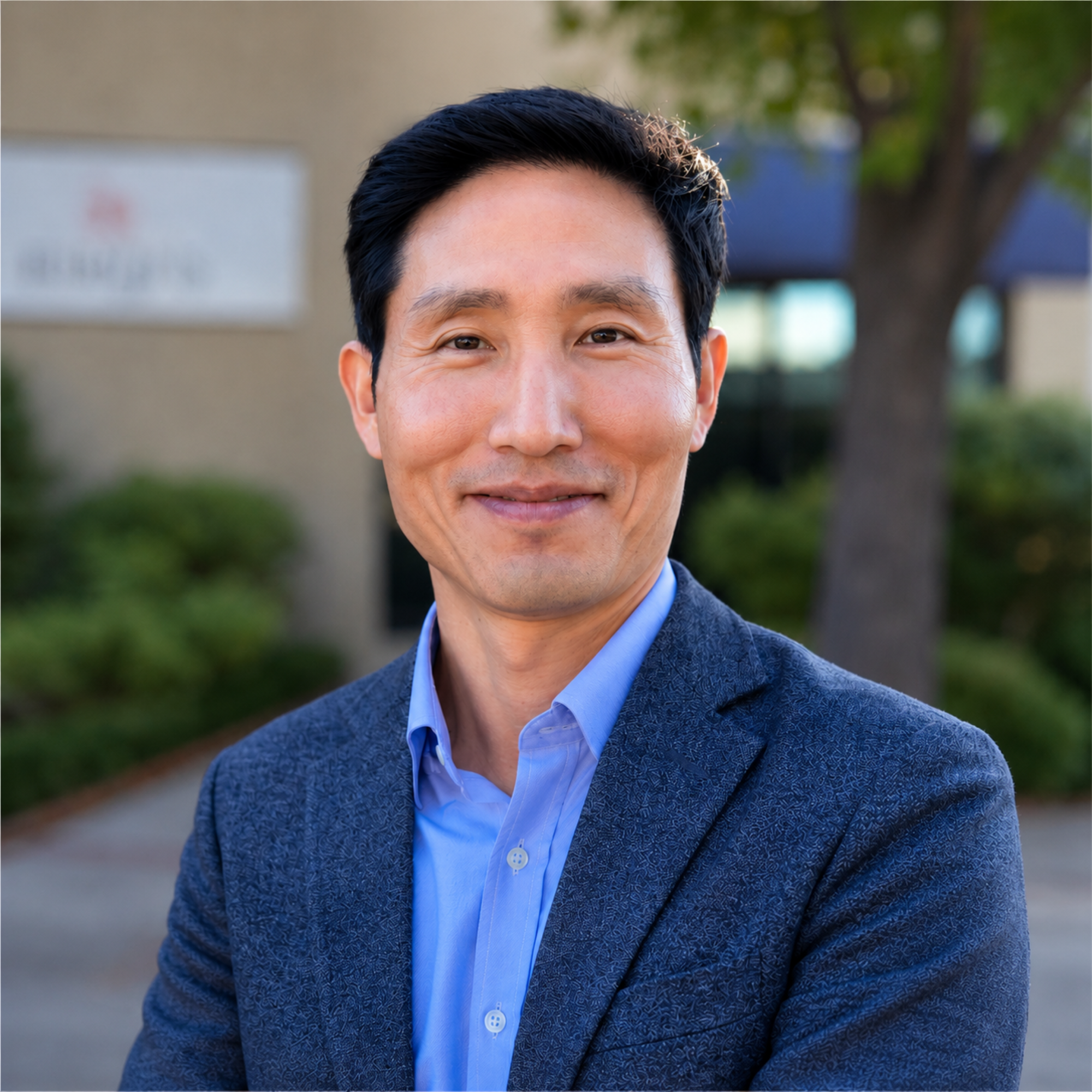
NSF Welcomes Hanjun Kwon, Managing Director, APAC
September 14, 2026Experienced business leader to drive sustainable growth, organizational development and operational excellence across the Asia-Pacific region.