Is Food Packaging Safe?

The spotlight on food packaging is growing, and not only for reasons of sustainability. There is increasing awareness, backed up by a growing body of scientific research, of the potentially harmful effects of certain chemicals and heavy metals found in some food and beverage packaging.
A recent scientific study discovered that of the approximately 14,000 known food contact chemicals (FCCs), 3,600 (25%) of them have been found in humans.1 These chemicals include per- and polyfluoroalkyl substances (PFAS), phthalates, mineral oil aromatic hydrocarbons (MOAH), bisphenol (BPA) and metals.
While many of these chemicals can be found in a variety of day-to-day items, it is when they come into contact with and migrate into food that they can become problematic, because that is when they can be ingested.
Many FCCs are recognized as having hazardous properties, such as carcinogenicity, mutagenicity, and reprotoxicity (CMR); endocrine disrupting properties; and bioaccumulation potential and/or persistence.1
Understandably, consumers are concerned. A 2023 survey published by the European Consumer Organisation (BEUC) found that 70% of consumers surveyed are worried about the impact of chemicals in food packaging (and kitchenware) on their health. And nine out of 10 of those support stricter rules to prevent health impacts from chemicals in food packaging.2
As scientific research into and understanding of food contamination from food packaging materials grows, we are seeing regulations evolve in response, like the Commission Regulation (EU) 2024/3190 for plastics which bans the use and trade of Bisphenol A (BPA), its salts and other hazardous bisphenols and hazardous bisphenol derivatives in food contract materials across the EU.3
For food packaging manufacturers and food retailers it means responsibilities in ensuring that food packaging is safe are growing. This might include rethinking food packaging design and selection to verify that any food packaging materials used comply with regulations. The most effective way to ensure – and communicate – compliance is through independent review, testing, and certification.
What is food packaging testing and certification and why is it important for food safety?
Food packaging is something most of us take for granted. It is a necessary component in the storage, distribution and transport of food. It provides a barrier, keeping food fresh and away from external elements, and it plays a vital function in providing information to consumers. Because primary food packaging comes into direct contact with food, it is vital that the materials are fit for purpose, and safe.
Food packaging testing with successful results, can provide peace of mind that food packaging materials comply with regulations. Testing typically includes migration testing, to check that specific chemicals or heavy metals are not leaching from the packaging into the food.
Testing can also validate or disprove specific claims that manufacturers or retailers wish to make to give consumers added and independently validated reassurance, such as PFAS-free, BPA-free or Lead-free.
Food packaging certification goes beyond a single test report, sending a clear message to consumers, retailers and suppliers that the food packaging has been independently checked, tested and verified, and proven to meet the specific requirements of a food packaging standard. Following a successful result, the product achieves certification, accompanied by a certificate, and a certification mark.
What are the food packaging requirements in my region?
Regulations governing food contact materials differ significantly across countries and regions, reflecting diverse safety standards, risk assessments, and regulatory frameworks.
In the US, it is the Federal Food, Drug and Cosmetic Act (FFDCA) – a set of laws – that authorizes the Food and Drug Administration (FDA) to oversee and regulate the production, sale and distribution of food, drugs, medical devices and cosmetics.
Substances that come into contact with food – through food packaging, storage or other handling – or as food additives must be authorized through either a Food Contact Notification, a food additive regulation, or be the subject of an FDA Threshold of Regulation exemption.
Food Packaging Certification

Sources
1 Article: Evidence for widespread human exposure to food contact chemicals, 2024, nature.com
2 Article: New survey highlights consumer concerns over chemicals in food packaging, 2023, chemtrust.org.
3 EU prohibition on the use and trade of Bisphenol A from 20 January 2025
Want to learn more about food packaging?
What’s New with NSF
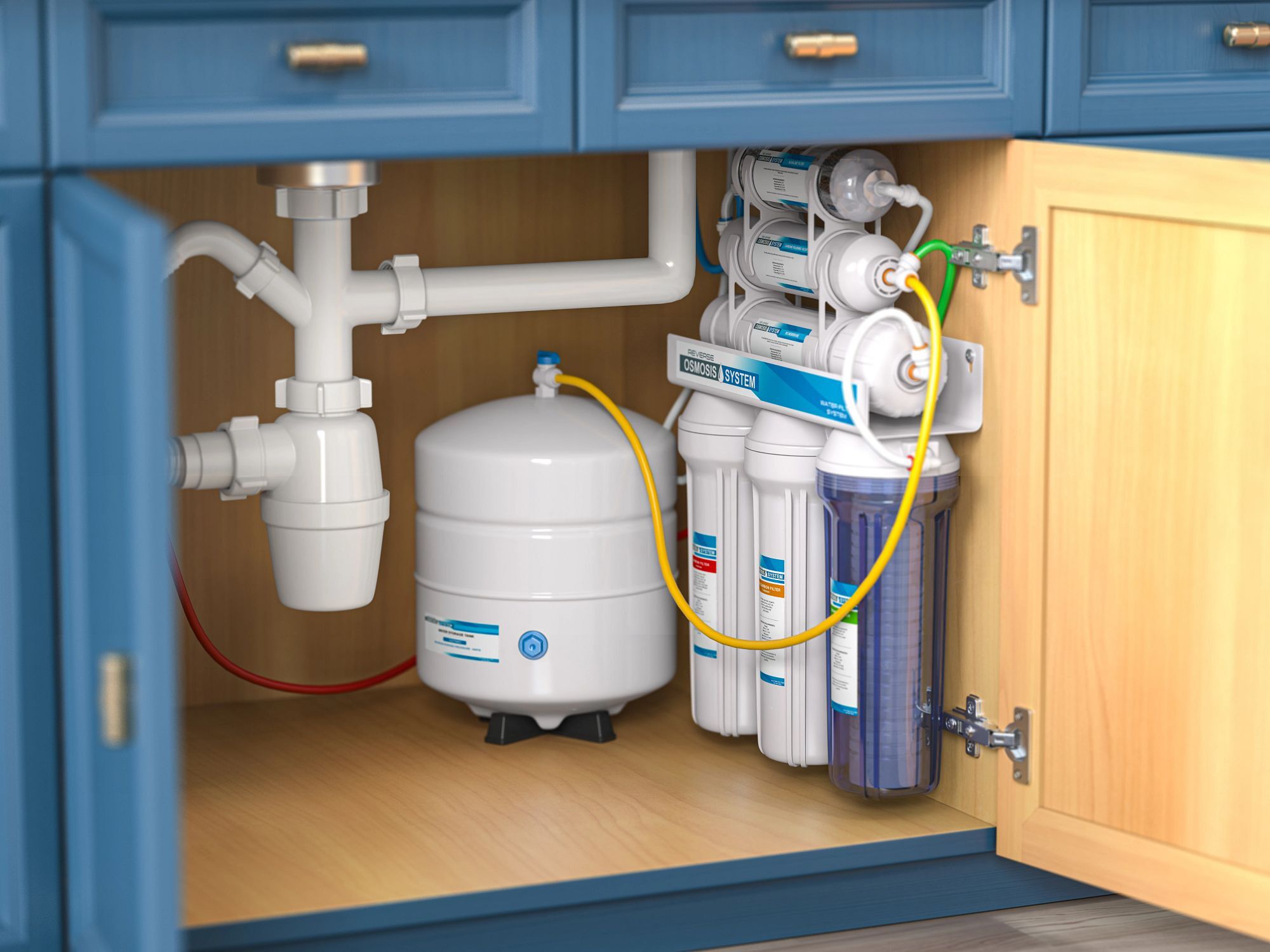
NSF Launches Protocol 549 for Glyphosate Reduction Claims
October 14, 2026P549 is the first standard globally that validates glyphosate reduction performance of water filtration systems and products.
Cambium Analytica, an NSF Company, Opens New Lab in Traverse City, Mich
October 6, 2026Ribbon cutting debuts innovative 15,000-square-foot testing facility to support evolving needs of the food & supplement industries.
NSF Drives Industry Conversations at SupplySide Global 2026 - Las Vegas, Oct. 26–30
September 17, 2026NSF returns to SupplySide Global with expert-led training and trusted certification solutions. Visit Booth 4741 to discover how NSF and Cambium Analytica help brands build trust, increase consumer confidence and stand out in a competitive marketplace.
NSF Welcomes Hanjun Kwon, Managing Director, APAC
September 14, 2026Experienced business leader to drive sustainable growth, organizational development and operational excellence across the Asia-Pacific region.