Public Health Standards for Water Purifiers

NSF has developed over 80 currently active voluntary American National Standards for public health, safety, environment and sustainability assessment.
Accredited by the American National Standards Institute (ANSI), NSF has developed over 80 currently active voluntary American National Standards under the scope of public health, safety, environment and sustainability assessment.
NSF/ANSI standards are developed through a public process that ensures balanced input from industry representatives, public health/regulatory officials and users/consumer representatives.
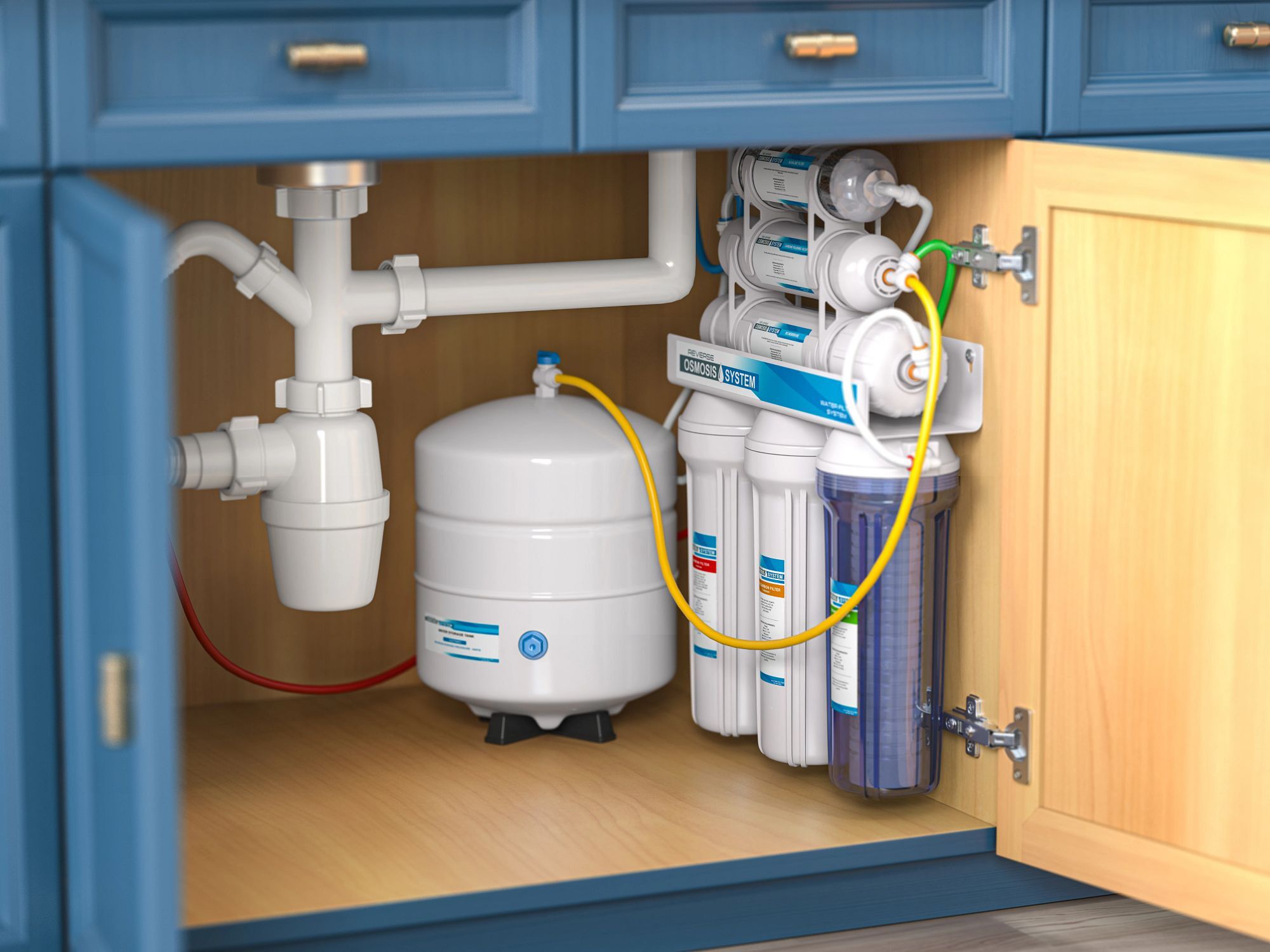
There are several representative standards that cover the decontamination performance of water purifier products and water purifiers. Manufacturers choose which contaminants the water purifier removes, and NSF tests and certifies the water-purifying performance claimed by the manufacturer. It is important to check both the standard name (e.g., NSF/ANSI 53 or NSF/ANSI 58) and the specific contaminant (e.g., lead) removal performance on the product packaging.
Ready to Begin the Process?
How NSF Can Help You

What’s New with NSF
NSF Launches Protocol 549 for Glyphosate Reduction Claims
October 14, 2026P549 is the first standard globally that validates glyphosate reduction performance of water filtration systems and products.
Cambium Analytica, an NSF Company, Opens New Lab in Traverse City, Mich
October 6, 2026Ribbon cutting debuts innovative 15,000-square-foot testing facility to support evolving needs of the food & supplement industries.
NSF Drives Industry Conversations at SupplySide Global 2026 - Las Vegas, Oct. 26–30
September 17, 2026NSF returns to SupplySide Global with expert-led training and trusted certification solutions. Visit Booth 4741 to discover how NSF and Cambium Analytica help brands build trust, increase consumer confidence and stand out in a competitive marketplace.
NSF Welcomes Hanjun Kwon, Managing Director, APAC
September 14, 2026Experienced business leader to drive sustainable growth, organizational development and operational excellence across the Asia-Pacific region.