A Reflection on the Dirty Dozen and Space Flight Safety
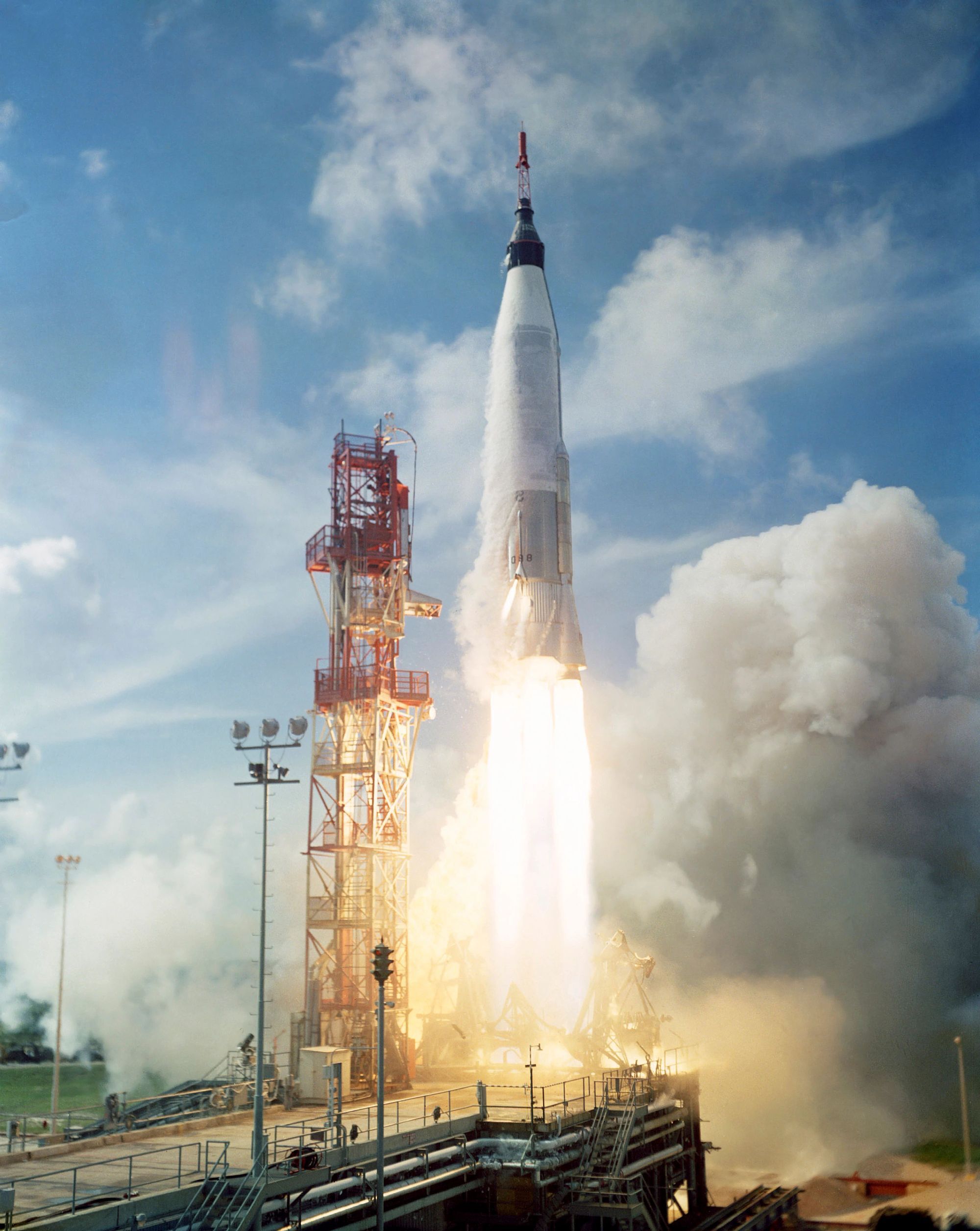
Safety of space flight is obviously correlated to the FAA’s Dirty Dozen, the 12 common causes of mistakes in the aviation workplace. A memorable instance of this is the 1986 Space Shuttle Challenger disaster, where a handful of engineers believed there was potential for disaster but were seemingly pressured to sign off on the flight ready status of the rocket booster motor.
The Dirty Dozen and why it’s important
The Dirty Dozen includes the following:
- Lack of communication: failure to transmit, receive or provide enough information to complete a task. Never assume anything.
- Complacency: overconfidence from repeated experience performing a task.
- Lack of knowledge: shortage of training, information, and/or ability to successfully perform.
- Distractions: anything that draws attention away from the task at hand. Distractions are the #1 cause of forgetting things, including what has or has not been done in a maintenance task.
- Lack of teamwork: failure to work together to achieve a shared goal.
- Fatigue: physical or mental exhaustion threatening work performance.
- Lack of resources: not having enough people, equipment, documentation, time, parts or other resources to complete a task.
- Pressure: real or perceived forces demanding high-level job performance.
- Lack of assertiveness: failure to speak up or document concerns about instructions, orders or the actions of others.
- Stress: physical, chemical or emotional factors that cause physical or mental tension.
- Lack of awareness: failure to recognize a situation, understand what it is and predict the possible results.
- Norms: expected, yet unwritten, rules of behavior.
In a manufacturing company, or even in life, it stands to reason that bad things can happen if we don’t consider these 12 items and work to correct them. Whether it be making decisions without pressure, getting rest, removing distractions, working together, reducing stress or standing up for what we believe in, following these principles will help establish a culture of safety.
Although the main safety theme this April is Distracted Driving Awareness, talking about safety culture and the way it’s related to human factors is a more comprehensive and fundamental approach to ensuring safety for our team members, our customers and the aviation, space and defense public.
In fact, the 2016 version of the AS9100 standard introduced the concept of human factors in manufacturing, which accepts that processes can be impacted by people, so we should address the people executing those processes. The advancement of safety management systems and safety culture are strictly related to the improvement in both personal and product safety.
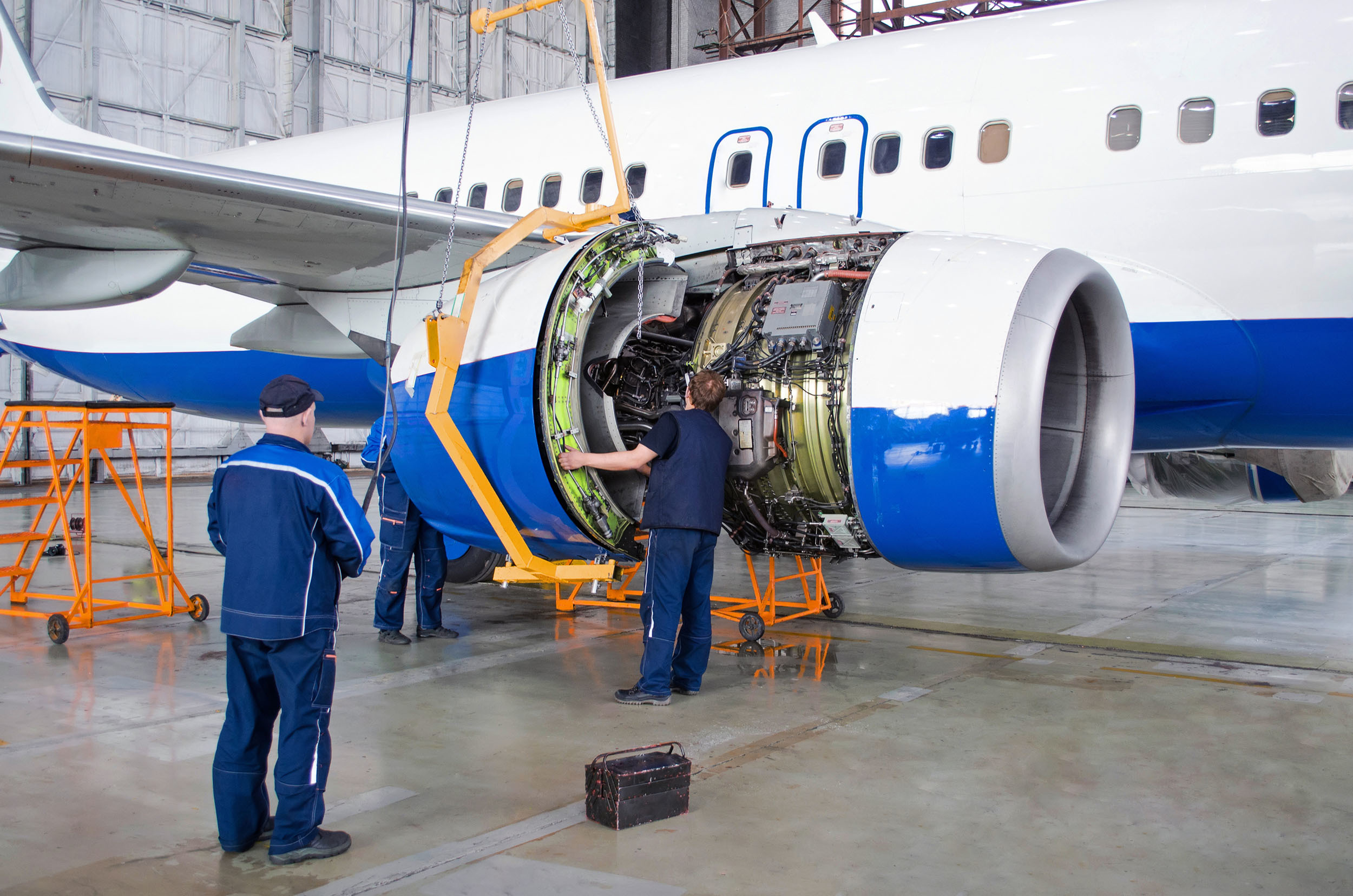
AS 9100 Series Aerospace Management Systems Certification
How NSF Can Help You

What’s New with NSF
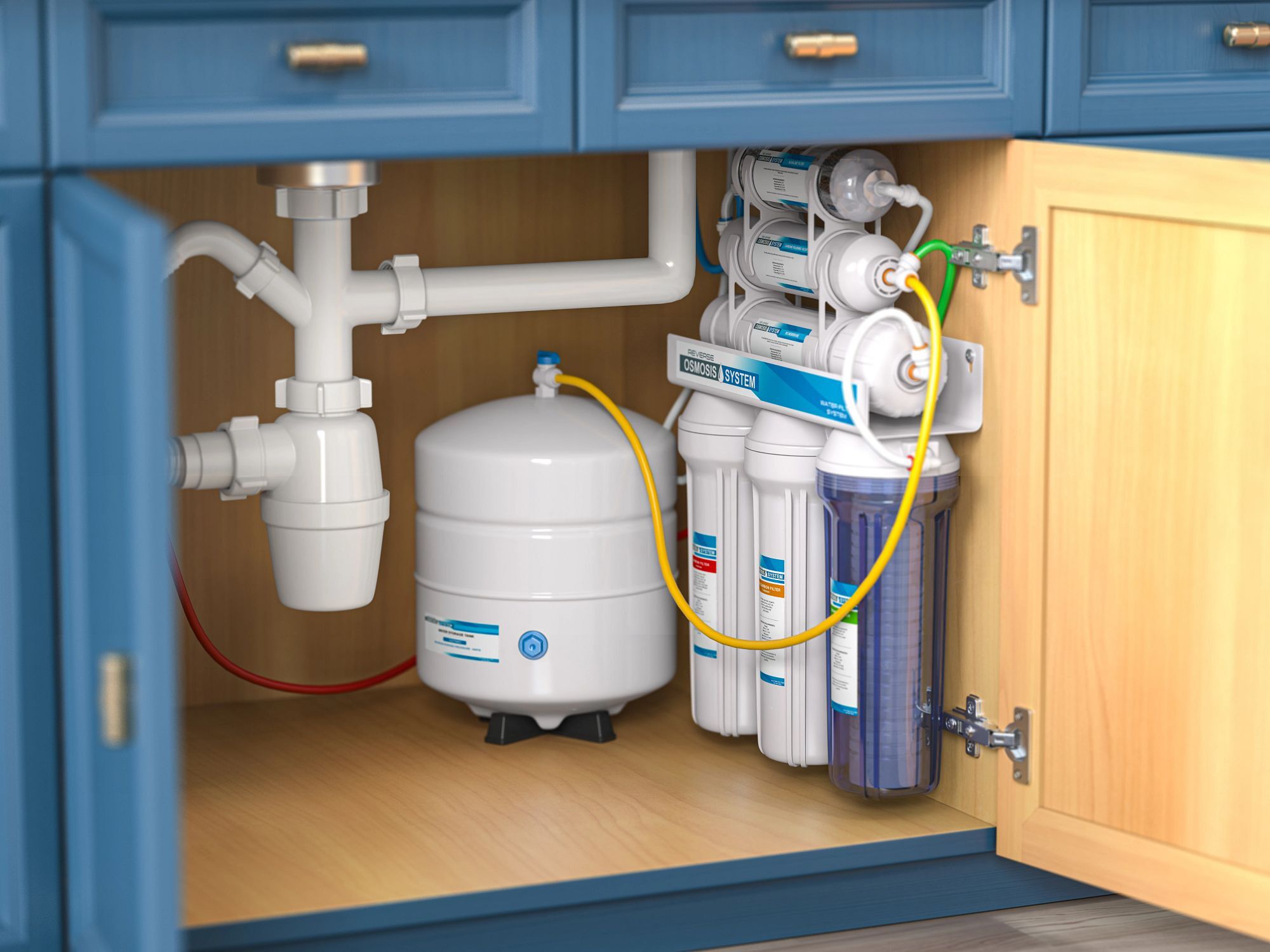
NSF Launches Protocol 549 for Glyphosate Reduction Claims
October 14, 2026P549 is the first standard globally that validates glyphosate reduction performance of water filtration systems and products.
Cambium Analytica, an NSF Company, Opens New Lab in Traverse City, Mich
October 6, 2026Ribbon cutting debuts innovative 15,000-square-foot testing facility to support evolving needs of the food & supplement industries.
NSF Drives Industry Conversations at SupplySide Global 2026 - Las Vegas, Oct. 26–30
September 17, 2026NSF returns to SupplySide Global with expert-led training and trusted certification solutions. Visit Booth 4741 to discover how NSF and Cambium Analytica help brands build trust, increase consumer confidence and stand out in a competitive marketplace.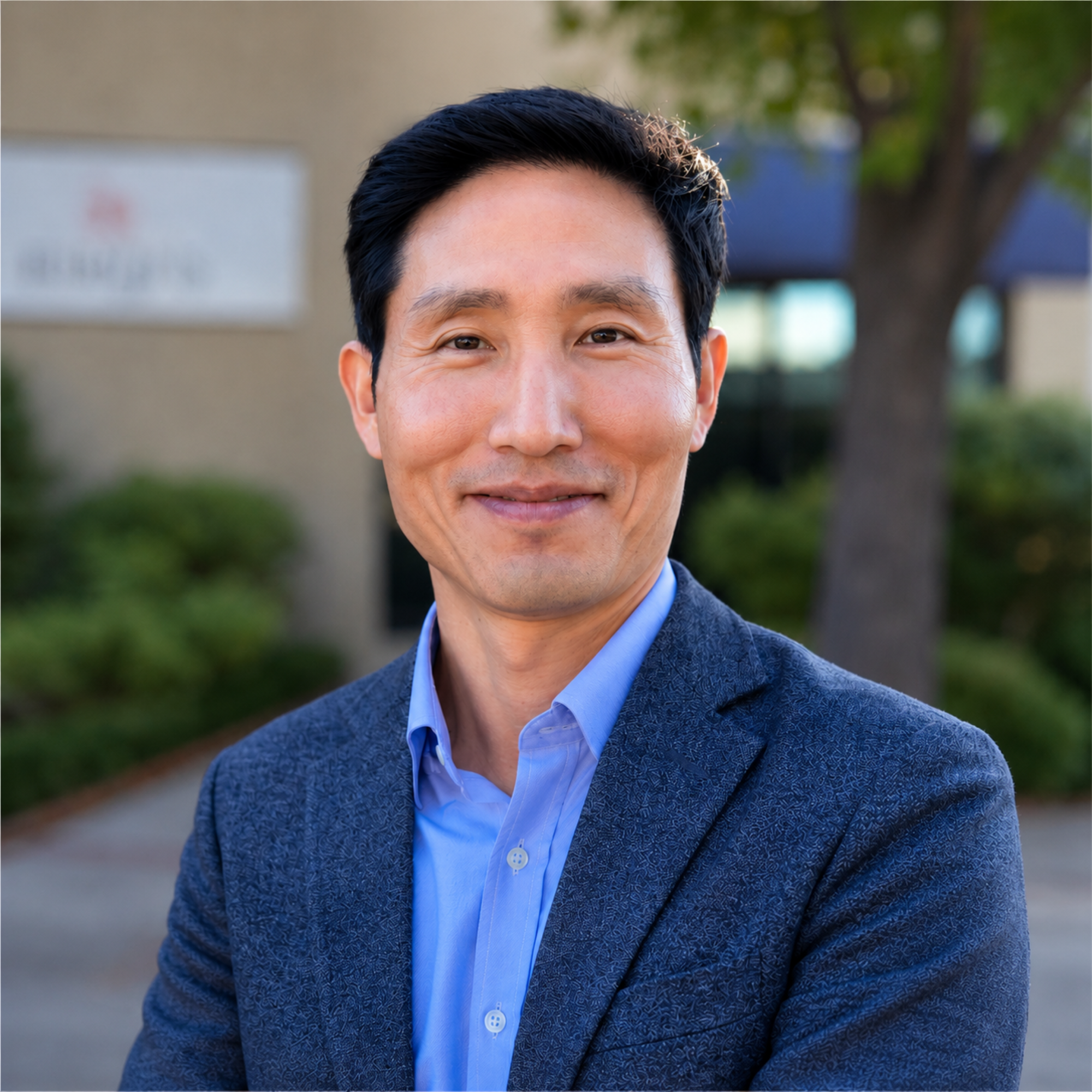
NSF Welcomes Hanjun Kwon, Managing Director, APAC
September 14, 2026Experienced business leader to drive sustainable growth, organizational development and operational excellence across the Asia-Pacific region.