Skin-Lightener Product Risks: What You Need to Know
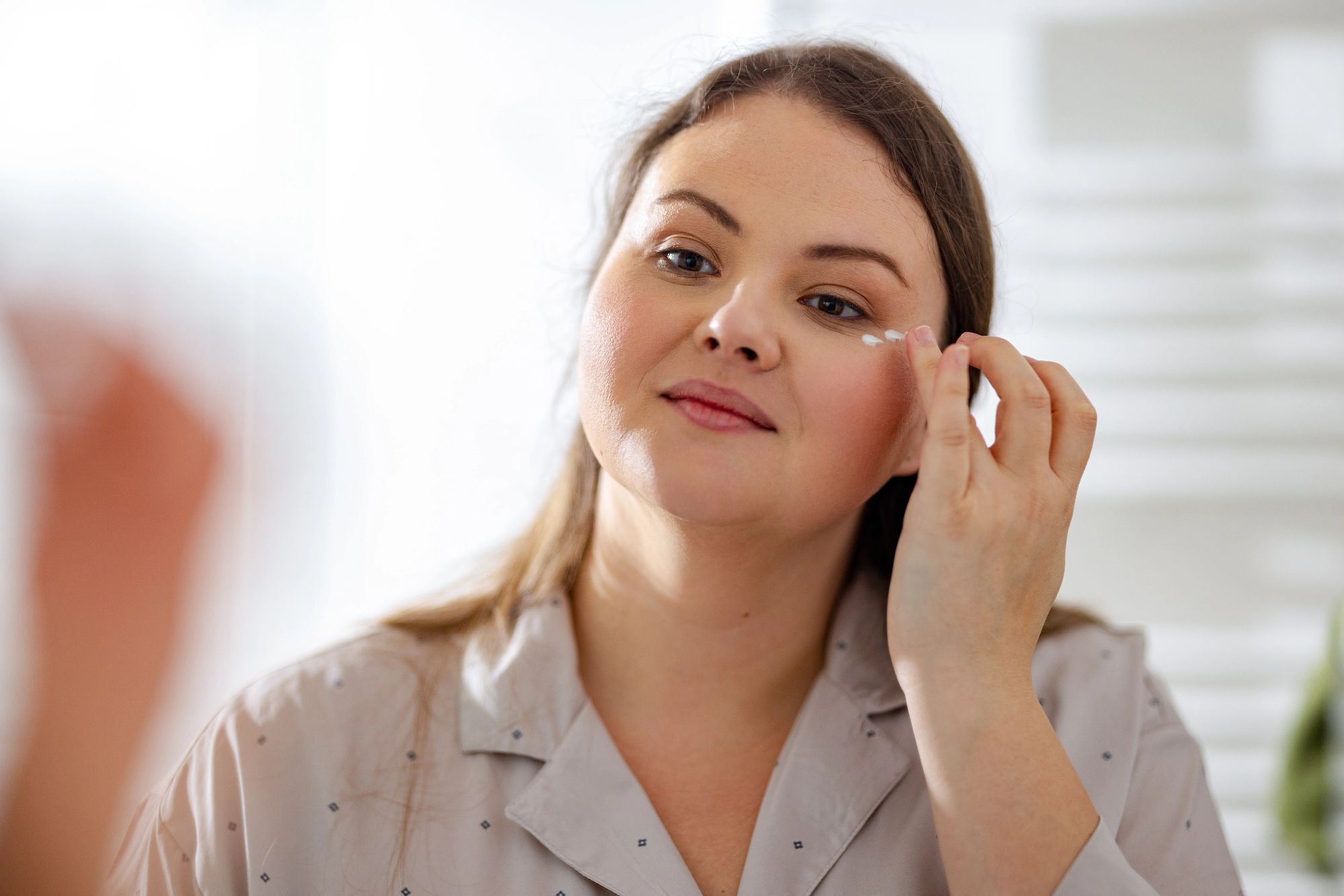
Skin-lightener products have become extremely popular, but recent concern has developed about some of the ingredients in these products. That concern is driving cosmetic retailers to develop quality assurance standards around these products to reduce risk and support public health. NSF is an approved testing organization for Amazon’s recent skin-lightener and whitening product policy.
What does the new policy require products to demonstrate?
- Third party GMP Compliance from an accredited body and scheme
- Heavy Metals testing which includes mercury testing
- Microbiological Testing
- Adulterant panel testing which includes hydroquinone and corticosteroids
- Product Label Review
- Verification of FDA product (FDA form 5067) and facility registration (FDA form 5066).
This article explores the safety concerns surrounding skin-lighteners and their regulatory status. By the end, you'll have a clearer picture of why skin-lightener product testing is becoming an industry standard for product safety and public health.
For example, Hydroquinone, a powerful agent widely used in cosmetic products and medical treatments has been a go-to ingredient in skin-lightener products for decades. It has gained popularity for its effectiveness in treating various hyperpigmentation conditions, including melasma, post-inflammatory hyperpigmentation, sunspots, and freckles. This powerful compound gained popularity for its ability to fade dark spots and even skin tone. Its chemical characteristics make it suitable for various applications, particularly in dermatology and cosmetics. However, its use has sparked debates about product safety in the cosmetic industry, leading many to question whether the benefits outweigh the potential risks.
Hydroquinone is available in over-the-counter products at concentrations of 2% or less, while higher concentrations require a prescription from a dermatologist. Hydroquinone is often combined with other ingredients to enhance its effectiveness. These combinations may include alpha-hydroxy acids, corticosteroids, retinoids, or sunscreens. The effects of these combinations can lead to better results in treating skin discoloration.
The concern arises from adverse reactions including skin rashes, facial swelling, and ochronosis, a condition characterized by blue-black skin discoloration. Other potential side effects of hydroquinone use include:
- Skin irritation and dryness
- Itching and redness
- Mild contact dermatitis or allergic reactions
- Increased sensitivity to sunlight.
Given the emergence of these safety concerns and potential risks, many brands are reexamining their formula for skin-lighteners and are exploring testing options to help ensure their products remain safer for use and commercially viable.
FDA warnings
The regulatory landscape for skin-lighteners has undergone significant change in recent years. As safety concerns have grown, regulatory bodies worldwide have taken steps to control its use in cosmetic products.
The U.S. Food and Drug Administration (FDA) has taken a strong stance against using hydroquinone in over-the-counter (OTC) skin-lightener products. The agency has issued warning letters to several companies selling OTC products stating that these items do not meet the requirements to be legally sold as OTC drugs. In 2020 the FDA has declared that OTC skin-lightener products with hydroquinone are unapproved drugs and are not generally recognized as safe and effective.
In some countries, particularly where skin lightener is a multibillion-dollar industry, regulation is less stringent. Products on the US market that continue to include hydroquinone often do not declare the ingredient on the label. This has led to concerns about the availability of riskier products and potential presence of more dangerous ingredients like mercury and arsenic in skin-lightener creams.
As research continues and regulations evolve, skin lighteners remain a topic of significant interest and concern in the cosmetic and dermatological communities. This changing landscape prompts both consumers and skincare brands to reassess their approach to skin-lightener treatments.
Do you sell skin-lighteners on Amazon?
Lab testing services requested through Amazon are necessary for products to meet new requirements. NSF can test your products for compliance verification under the policy in our ISO 17025 labs. We can also test and certify your product to the NSF 527 standard for cosmetic product certification. Get started today:
- Call us now on +1 313 456 8832 7:30 to 8:30 pm EST Monday-Friday
- Email us: [email protected]
- Visit Seller Central and select NSF as your testing partner.
Would you like to learn more about GMP certification?

How NSF Can Help You

What’s New with NSF

Cambium Analytica, an NSF Company, Opens New Lab in Traverse City, Mich
October 6, 2026Ribbon cutting debuts innovative 15,000-square-foot testing facility to support evolving needs of the food & supplement industries.
NSF Drives Industry Conversations at SupplySide Global 2026 - Las Vegas, Oct. 26–30
September 17, 2026NSF returns to SupplySide Global with expert-led training and trusted certification solutions. Visit Booth 4741 to discover how NSF and Cambium Analytica help brands build trust, increase consumer confidence and stand out in a competitive marketplace.
NSF Welcomes Hanjun Kwon, Managing Director, APAC
September 14, 2026Experienced business leader to drive sustainable growth, organizational development and operational excellence across the Asia-Pacific region.
NSF to Exhibit and Present at PACK EXPO International
September 11, 2026NSF is proud to be part of PACK EXPO International 2026, the premier event bringing together packaging and processing leaders from across industries.