Why Food Equipment Launches Get Delayed and How to Avoid Costly Redesigns
Learn the most common causes of food equipment development delays, from electrical safety and sanitation requirements to emerging technologies and compliance challenges, and discover how leading manufacturers accelerate market access while reducing risk.
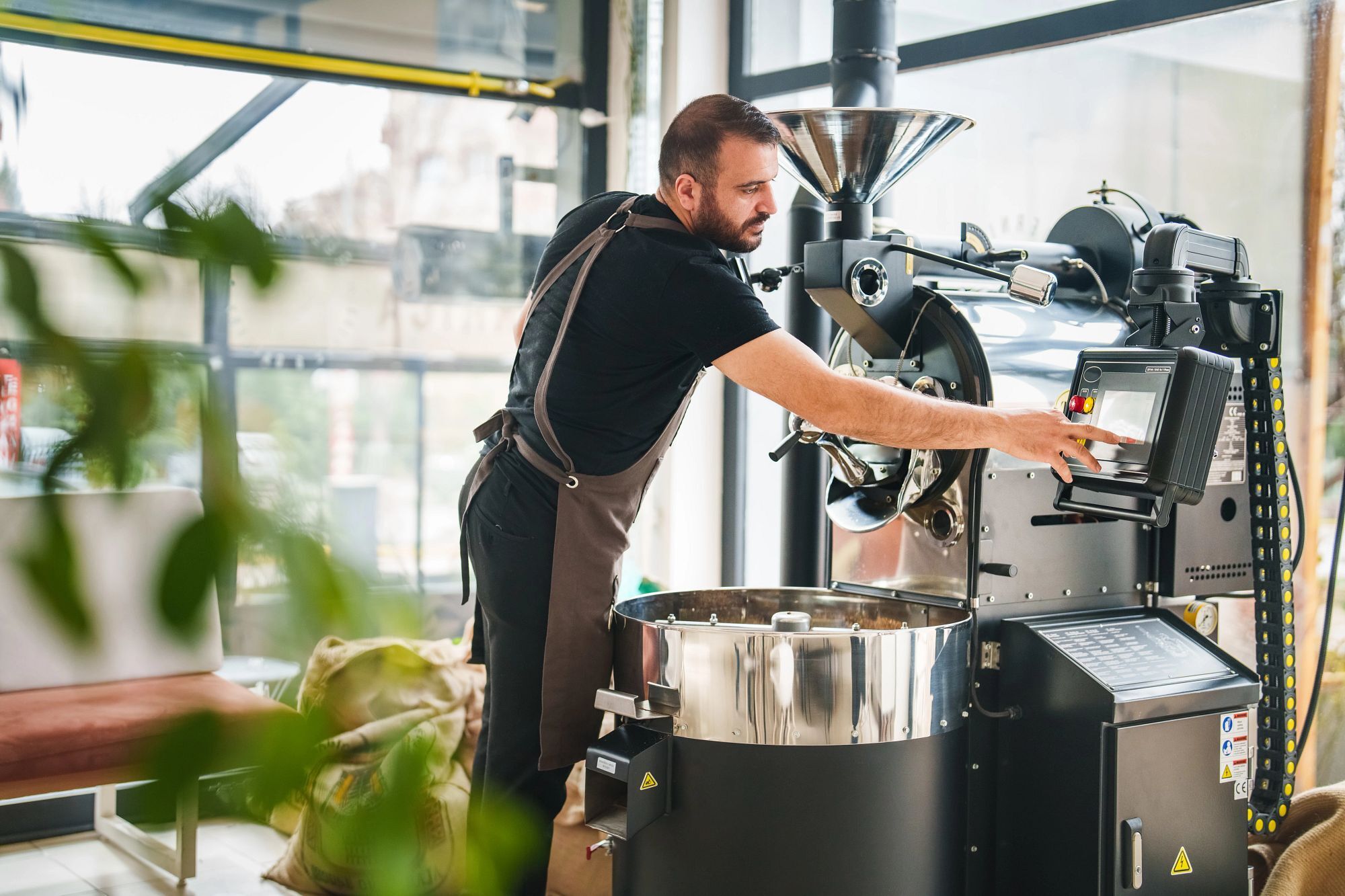
The hidden challenge in food equipment development
Innovation in food equipment is accelerating. From automation and robotics to connected technologies and advanced electronics, today's equipment is more sophisticated than ever.
But while manufacturers focus on performance and functionality, product launches are often delayed by something else entirely: compliance, electrical safety, and sanitation requirements that aren't identified until late in the development process.
The result? Redesigns, retesting, unexpected costs, and missed launch timelines.
The good news is that many of these delays are preventable when requirements are addressed earlier in the design process. In this webinar, NSF experts discuss the most common causes of project delays and the approaches leading manufacturers are using to streamline development and accelerate market access.
Many teams assume certification delays happen during testing
In reality, some of the biggest delays begin much earlier, when electrical safety, sanitation, component selection, or documentation requirements are discovered after critical design decisions have already been made.
Water, steam, chemicals, and aggressive cleaning practices can create significant electrical safety challenges. Many compliance issues occur where sanitation and electrical safety requirements overlap. The safest food equipment isn't designed for sanitation first or electrical safety first. It's designed with both requirements working together from day one.
In this webinar, NSF experts explain why products that are technically ready for launch can still miss their target timelines. We highlight common pitfalls for R&D teams to look out for, and how food safety and electrical safety requirements need to be considered holistically in order to avoid further rework and launch delays.
Want the full discussion?
Watch the full webinar
(opens in a new tab)Talk with an NSF expert
Why organizations trust NSF
For more than 80 years, NSF has helped food equipment manufacturers navigate safety, sanitation, certification, and compliance challenges. Food equipment was the focus of the very first NSF standard and remains a core area of expertise today. Unlike organizations that certify products across a wide range of industries, NSF specializes in food equipment, helping manufacturers address electrical safety, sanitation, and global market access requirements earlier in development to reduce risk, avoid costly delays, and bring products to market more efficiently.
Sanitation Safety Certification
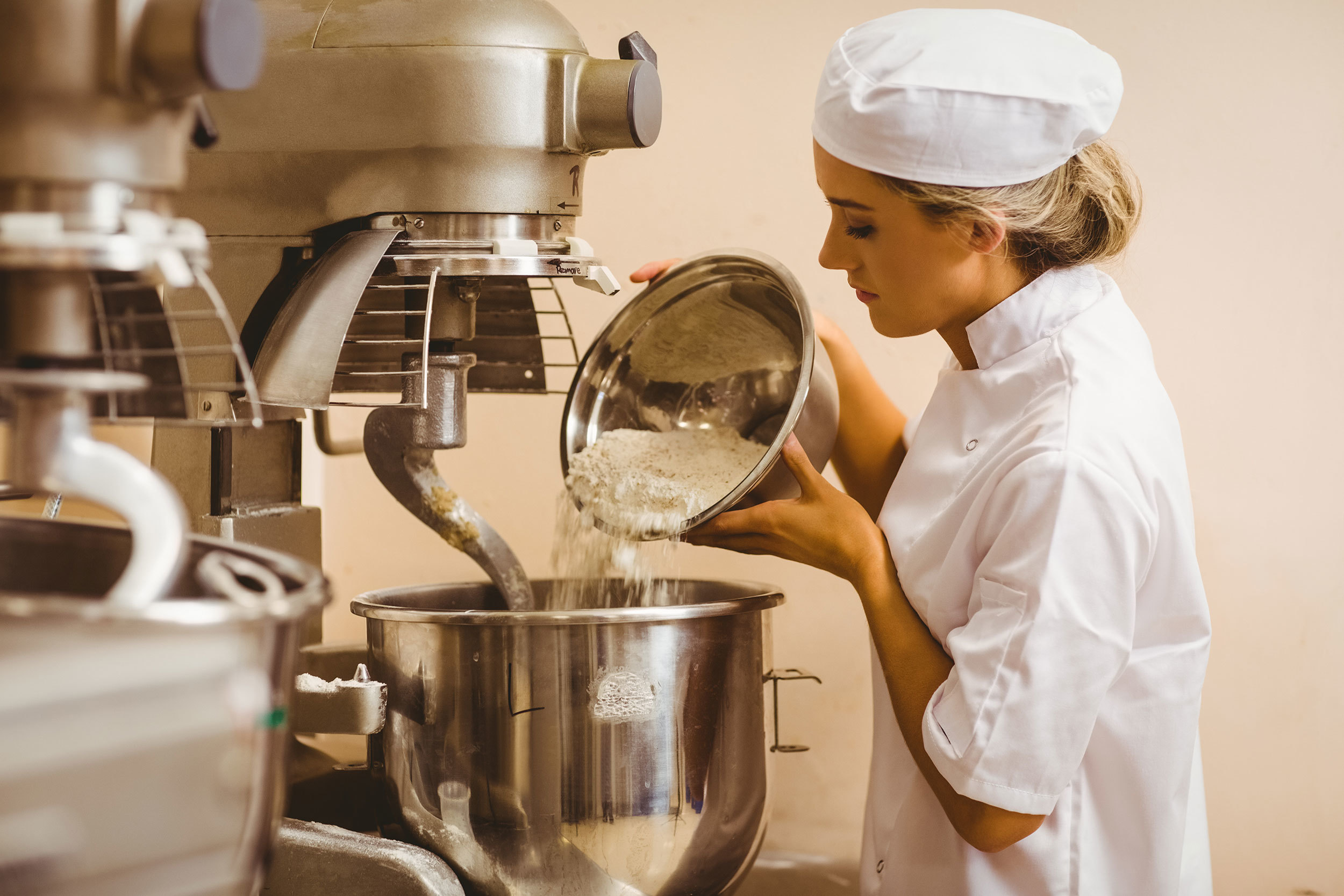
Certify your commercial food equipment to the industry’s highest standards and know you’re meeting all applicable U.S. sanitation requirements.
How NSF Can Help You

What’s New with NSF
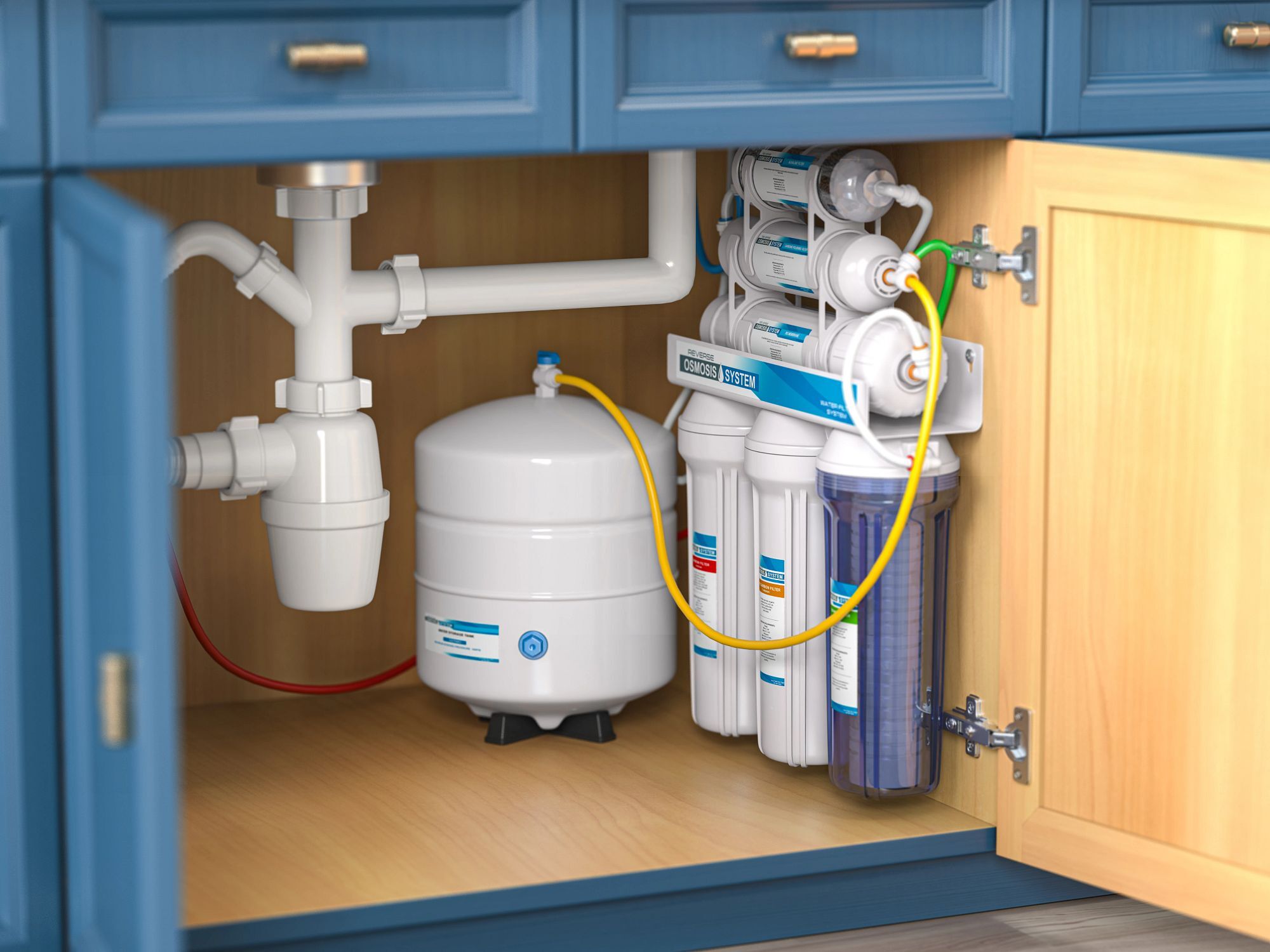
NSF Launches Protocol 549 for Glyphosate Reduction Claims
October 14, 2026P549 is the first standard globally that validates glyphosate reduction performance of water filtration systems and products.
Cambium Analytica, an NSF Company, Opens New Lab in Traverse City, Mich
October 6, 2026Ribbon cutting debuts innovative 15,000-square-foot testing facility to support evolving needs of the food & supplement industries.
NSF Drives Industry Conversations at SupplySide Global 2026 - Las Vegas, Oct. 26–30
September 17, 2026NSF returns to SupplySide Global with expert-led training and trusted certification solutions. Visit Booth 4741 to discover how NSF and Cambium Analytica help brands build trust, increase consumer confidence and stand out in a competitive marketplace.
NSF Welcomes Hanjun Kwon, Managing Director, APAC
September 14, 2026Experienced business leader to drive sustainable growth, organizational development and operational excellence across the Asia-Pacific region.