World Day Against Child Labor: Turning Compliance Into Child Protection With SMETA


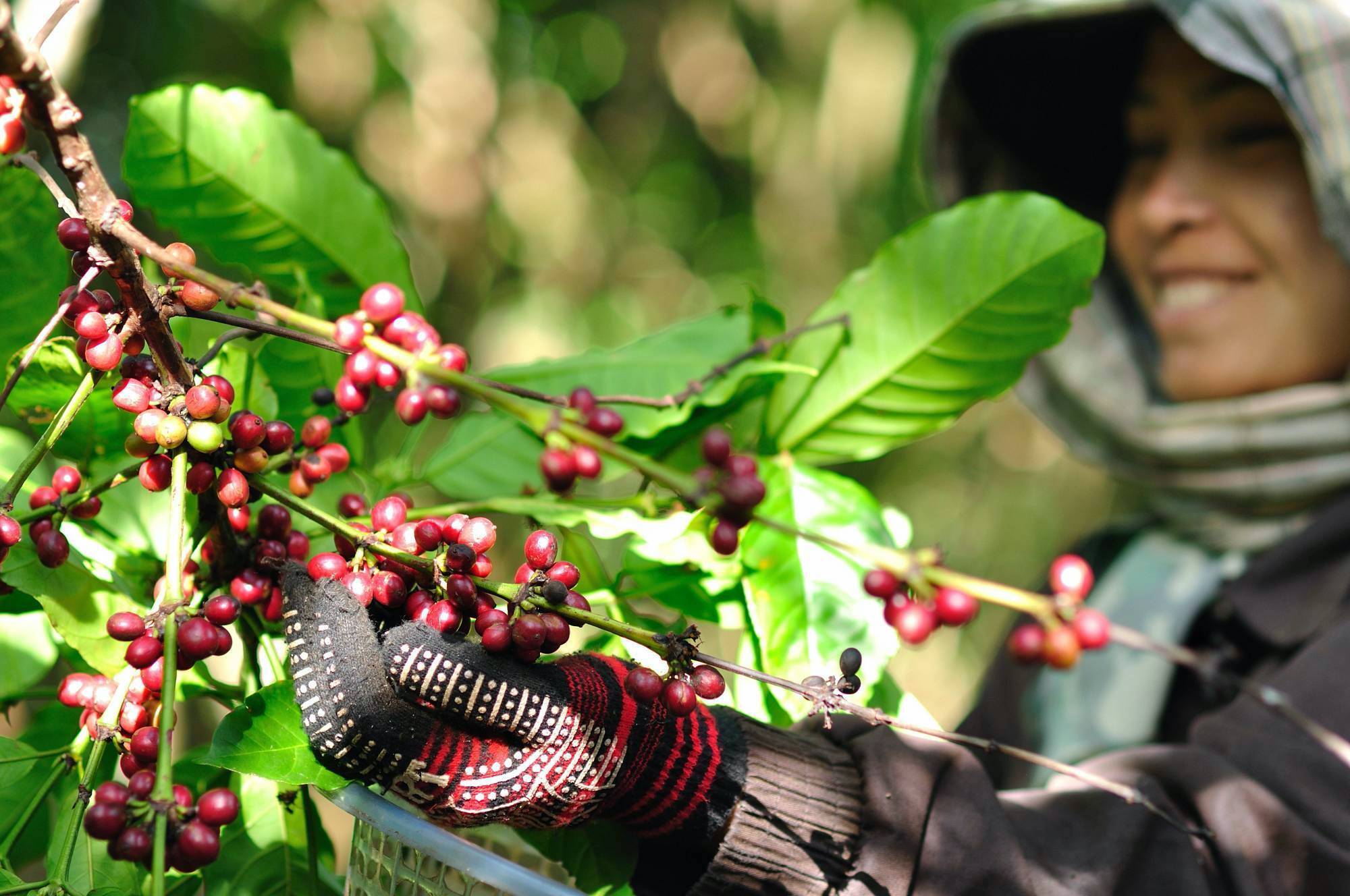
Each year on June 12, the world observes World Day Against Child Labor, a moment to reflect on the progress made, and the urgent work still ahead, in eliminating child labor globally. According to the 2024 global estimates released by the ILO and UNICEF, 160 million children are still engaged in child labor, with over 1 in 5 affected in the world’s poorest countries and more than 1 in 4 in sub-Saharan Africa. Despite earlier progress, the global fight has stalled, particularly in agriculture, where most children aged 5–14 in child labor are employed.
SMETA’s role in child labor prevention
At NSF, we recognize that social compliance audits are more than checklists, they are tools for transformation. That’s why we are proud to be a SEDEX-approved audit company conducting SMETA (SEDEX members ethical trade audit) audits, which directly identify cases of child labor risks in global supply chains.
SMETA audits are grounded in the Ethical Trading Initiative (ETI) Base Code, which is based on ILO conventions. The audits assess compliance with labor standards, including:
- No use of child labor, protecting young workers at the workplace
- Fair wages and working hours
- Safe and healthy working conditions
- Freedom of association and the right to collective bargaining
With the launch of SMETA 7.0, the methodology now includes workplace requirements, a structured framework that breaks the ETI base code into auditable elements. This ensures that child labor risks are not only identified but also documented with clear evidence. The new methodology also ensures that there are preventative measures in place with a robust management system at the workplace.
Why it matters
For companies in the food supply chain, especially those sourcing from high-risk regions, SMETA audits offer a credible, globally recognized way to demonstrate ethical sourcing. They also support compliance with ESG frameworks and buyer expectations.
As we mark World Day Against Child Labor, we reaffirm our commitment to helping clients build transparent, responsible supply chains that protect the rights of every worker, especially the youngest and most vulnerable.
Learn more about NSF’s SMETA services
How NSF Can Help You

What’s New with NSF
NSF Launches Protocol 549 for Glyphosate Reduction Claims
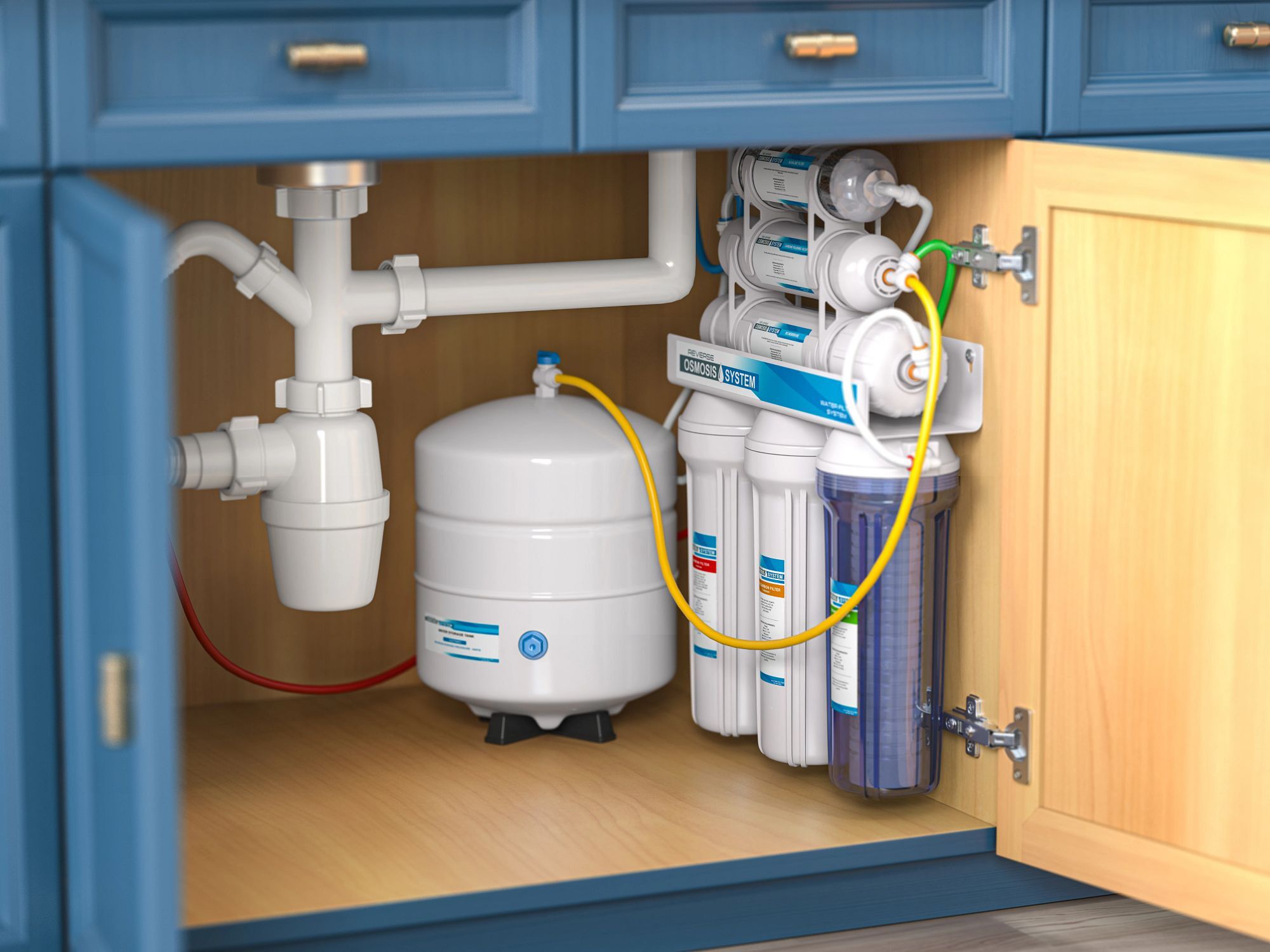
October 14, 2026P549 is the first standard globally that validates glyphosate reduction performance of water filtration systems and products.
Cambium Analytica, an NSF Company, Opens New Lab in Traverse City, Mich
October 6, 2026Ribbon cutting debuts innovative 15,000-square-foot testing facility to support evolving needs of the food & supplement industries.
NSF Drives Industry Conversations at SupplySide Global 2026 - Las Vegas, Oct. 26–30
September 17, 2026NSF returns to SupplySide Global with expert-led training and trusted certification solutions. Visit Booth 4741 to discover how NSF and Cambium Analytica help brands build trust, increase consumer confidence and stand out in a competitive marketplace.
NSF Welcomes Hanjun Kwon, Managing Director, APAC
September 14, 2026Experienced business leader to drive sustainable growth, organizational development and operational excellence across the Asia-Pacific region.