NSF Grants Korea’s First ‘K-NSF Food Equipment Safety Management Certification’ to Koras Robotics’ Vise Gripper
NSF supports Korean food-tech companies in strengthening product credibility and expanding into global markets.
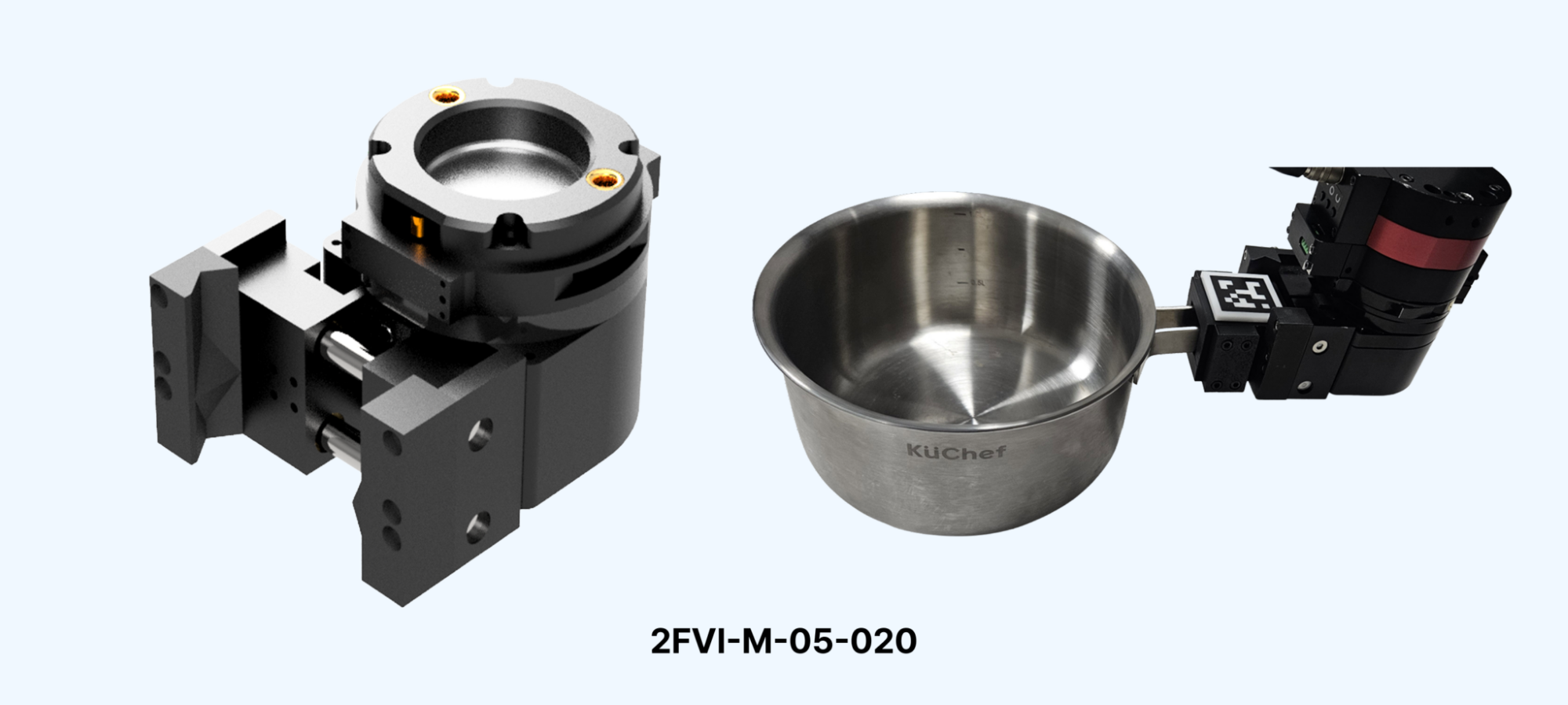
NSF, a global public health organization, announced that it has granted Korea’s first K-NSF Food Equipment Safety Management Certification (K-NSF) to a vise gripper for food automation developed by Korean robotics company Koras Robotics.
This marks the first certification awarded to a Korean company since the K-NSF program was introduced. The program was developed in collaboration with the Korea Ministry of Food and Drug Safety to empower Korean food manufacturers through compliance and product safety. Certification to K-NSF provides objective verification of hygienic safety while helping food-tech companies to enhance product credibility and market competitiveness.
The certification process consists of an assessment of the materials and specifications of equipment surfaces that come into contact with food or may be exposed to cross-contamination, as well as an in-depth assessment covering materials, microbial contamination prevention, design, construction, coatings, cleanability, wear resistance, impact strength, heat resistance and adhesion.
The certified 2FVI-M-05-020 is a vise gripper developed by Koras Robotics for food automation applications, such as holding a variety of cooking utensils in food manufacturing and preparation.
It is one of several robotic tools used with Koras Robotics’ KR-RTS (Koras Robotics–Robot Tooling System).
Sanghyo Lee, Manager, Food Equipment at NSF said, “This certification is particularly significant because it represents the first practical application of the K-NSF Food Equipment Safety Management Certification program in Korea. As cooking robots and automated food equipment become more widely adopted, objective verification of hygienic safety will provide an important foundation for building trust among manufacturers, customers and consumers.”
“Drawing on NSF’s global expertise in food equipment hygiene and safety, we will continue to support Korean manufacturers in enhancing the safety and credibility of their products and expanding their businesses in both domestic and global markets,” he added.
The K-NSF certification is recognized as a local equivalent to NSF’s global food equipment certification in terms of applicable assessment criteria. If the manufacturer of a K-NSF-certified product subsequently applies for NSF food equipment certification, overlapping assessment requirements may be waived, helping reduce the time and cost required for certification. Certified products are also listed on NSF’s official product listings website, enabling customers, distributors and manufacturers in Korea and overseas to verify their certification status.
Jae-bok Song, CEO of Koras Robotics, said, “In food automation environments, hygienic design that allows robotic equipment to be used safely near food is just as important as operational performance. The K-NSF certification is meaningful because it provides objective recognition that our vise gripper meets established hygiene and safety requirements. Through this process, we strengthened our internal hygienic design capabilities, which can be applied to the development of future food automation products.”
Koras Robotics is a robotics company founded in 2022 based on more than 20 years of research and development experience accumulated at Korea University’s Intelligent Robotics Laboratory. The company possesses integrated capabilities across the technologies required for robot development, including robotic mechanism design and manufacturing, control and vision software, deep learning and generative AI.
Koras Robotics’ flagship solution, the KR-RTS, is a robot tooling system that enables a single robot to automatically switch between different grippers and tools depending on the task.
NSF continues to expand the K-NSF certification program to Korean manufacturers of cooking robots, food automation equipment and other food equipment. Through these efforts, NSF aims to enhance the hygienic safety of food equipment manufactured in Korea and help Korean companies build the trust and competitiveness required to succeed in global markets.
What’s New with NSF
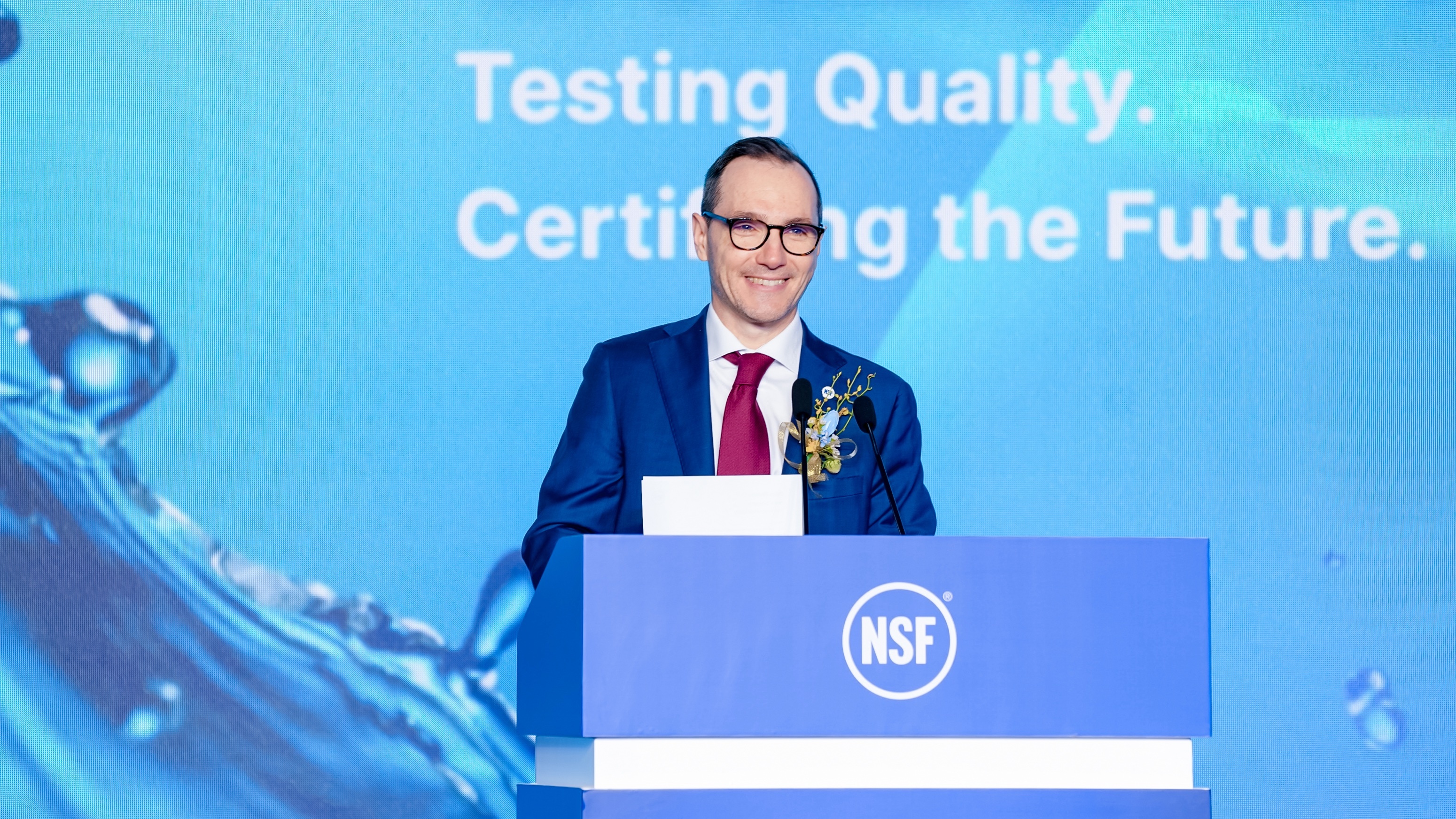
NSF Expands Global Laboratory Network with New Testing Facility in Shanghai
November 19, 2026NSF opens its first in-house drinking water treatment system (DWTS) testing laboratory outside the United States.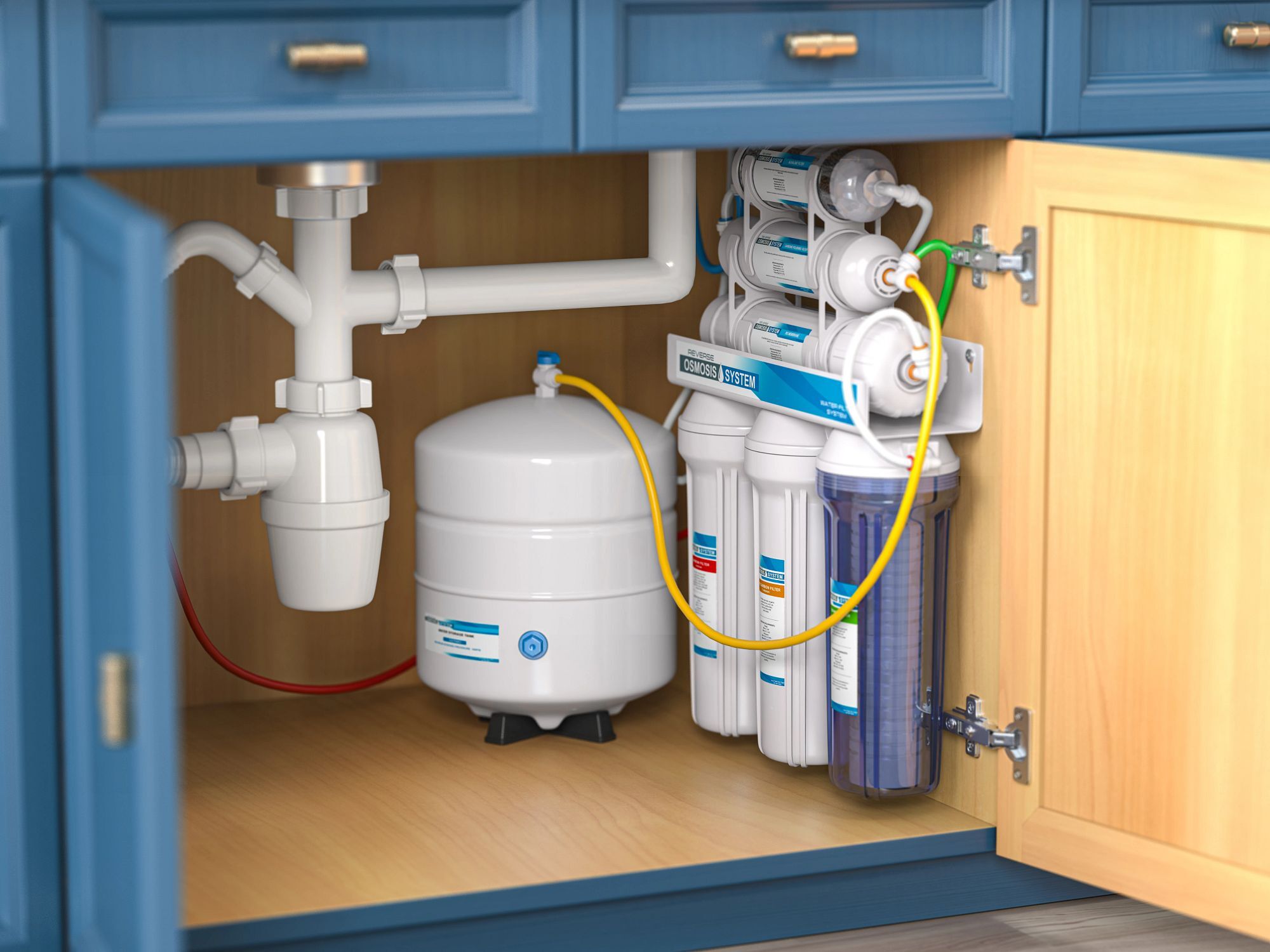
NSF Launches Protocol 549 for Glyphosate Reduction Claims
October 14, 2026P549 is the first standard globally that validates glyphosate reduction performance of water filtration systems and products.
Cambium Analytica, an NSF Company, Opens New Lab in Traverse City, Mich
October 6, 2026Ribbon cutting debuts innovative 15,000-square-foot testing facility to support evolving needs of the food & supplement industries.
NSF Drives Industry Conversations at SupplySide Global 2026 - Las Vegas, Oct. 26–30
September 17, 2026NSF returns to SupplySide Global with expert-led training and trusted certification solutions. Visit Booth 4741 to discover how NSF and Cambium Analytica help brands build trust, increase consumer confidence and stand out in a competitive marketplace.