Researcher Identifies Promising Surrogate to Advance PFAS Testing
Surrogate expected to accelerate certification pathways for drinking water treatment units.

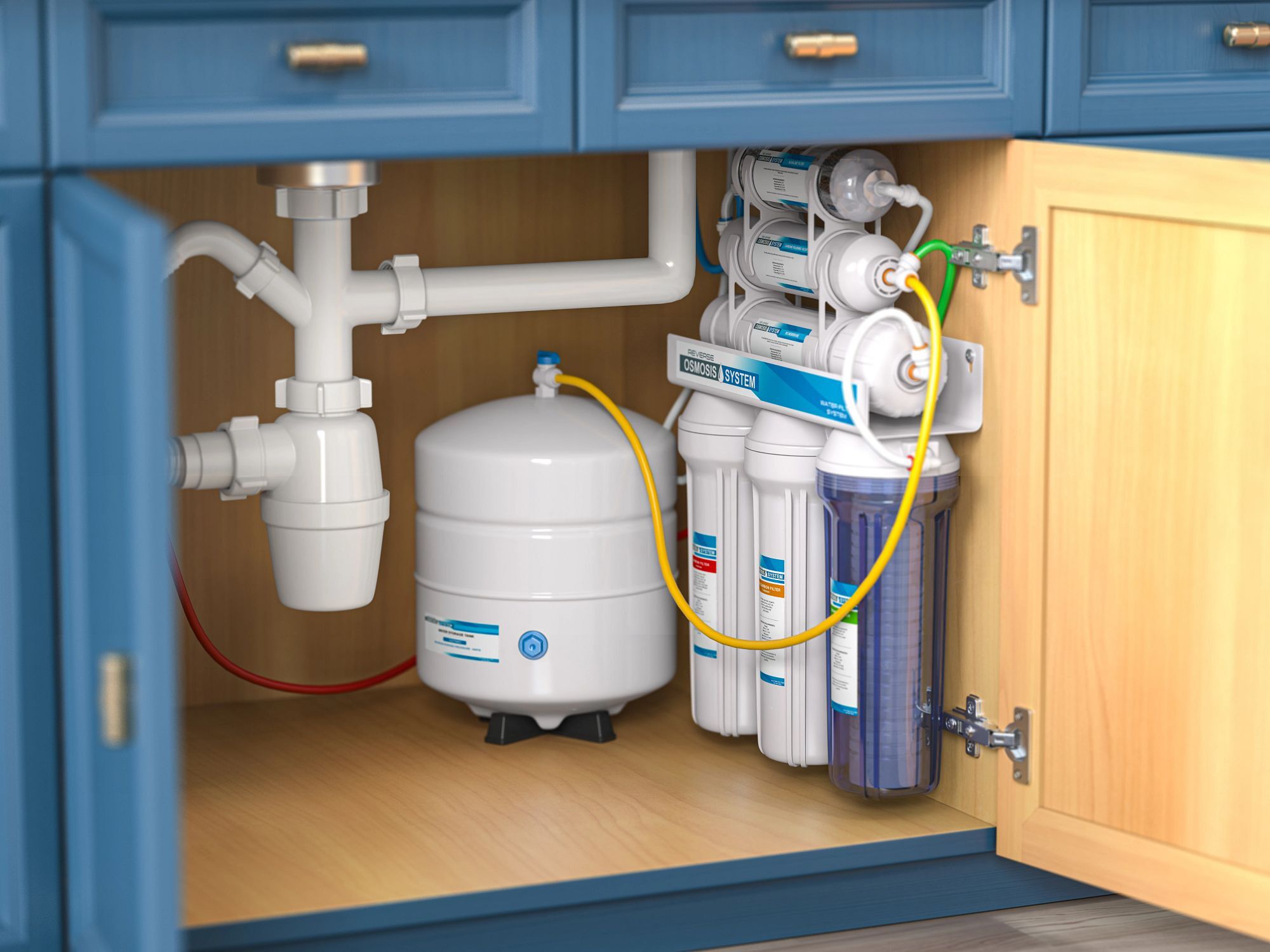
Lisle, Ill. – Today, the Water Quality Research Foundation (WQRF) announces a major advancement in its multiyear effort to improve how the water sector manages per- and polyfluoroalkyl substances (PFAS). WQRF has awarded funding to Dr. Madjid Mohseni, professor at the University of British Columbia, to conduct critical research validating surrogate parameter(s) that can reliably predict PFAS breakthrough in water treatment technologies. A validated PFAS surrogate is expected to significantly reduce the time and costs of performance testing and support more efficient certification of drinking water treatment units.
Dr. Mohseni is a leading expert with more than 20 years of experience in drinking water quality and treatment innovation. His team has been at the forefront of PFAS detection, removal, and destruction research since 2015. In Phase 1 of this project, the team identified promising surrogate candidates for evaluating the performance of activated carbon and ion-exchange resins used for PFAS removal. Phase 2 will expand this work by examining how well these candidates, particularly PFBA, can forecast breakthrough behavior for a broader suite of PFAS compounds at environmentally relevant concentrations. Phase 2 is anticipated to be completed in March 2027.
As co-sponsor of the surrogate research, NSF, a leading global organization dedicated to protecting human health, contributes essential funding for this research along with deep technical expertise. As a leading certification body for drinking water treatment technologies — and separately, the developer of foundational industry benchmarks such as the NSF/ANSI 42, NSF/ANSI 53, NSF/ANSI 55 and NSF/ANSI 58 standards — NSF’s engagement is essential for translating the research findings into industry standards. Their contribution also reflects their commitment to supporting innovation and improving consumer confidence through clear certification claims.
"PFAS pose serious long-term health risks, including cancer, immune system issues, and decreased birth weights, making their removal from drinking water absolutely critical for public safety," states Kyle Postmus, Senior Manager at NSF. "NSF continuously revises and updates its standards to align with the latest science and technology, including NSF/ANSI 53 and NSF/ANSI 58, which include PFAS testing to ensure PFAS levels are at or below levels established by the EPA. Co-sponsoring this research is just another step in helping us to advance community access to effective solutions that can eliminate these dangerous contaminants from their water supply."
This research carries long-term significance. Its anticipated benefits parallel those achieved by the Volatile Organic Chemical (VOC) Surrogate Study, which enabled the adoption of chloroform as a surrogate for 53 regulated organic chemicals within NSF/ANSI standards, allowing carbon filter manufacturers to demonstrate removal effectiveness with a single test.
By advancing the scientific foundation needed to streamline PFAS treatment testing, this project represents a pivotal step toward stronger public health protections and greater confidence in household and municipal water treatment technologies. As WQRF and NSF continue investing in research that bridges innovation and industry standards, this work will help ensure communities have access to effective, science‑backed solutions for safeguarding their drinking water.
Since 1952, the Water Quality Research Foundation (WQRF) has served as an independent, scientific water quality research organization with an aim to improve water quality through relevant academic research, advancing the knowledge and science of high-quality, sustainable water. Since its inception, WQRF has funded numerous research studies that have generated essential information on water quality for industry, policymakers, regulators, and the public. Find out more at WQRF.org/completed-studies or sign up for WQRF’s email newsletter to get bi-weekly research updates, funding opportunity notifications, and more.
Explore our water systems services

Guarantee the quality, performance, and safety of water products and systems with NSF’s extensive range of certifications and services.
How NSF Can Help You

What’s New with NSF
NSF Launches Protocol 549 for Glyphosate Reduction Claims
October 14, 2026P549 is the first standard globally that validates glyphosate reduction performance of water filtration systems and products.
Cambium Analytica, an NSF Company, Opens New Lab in Traverse City, Mich
October 6, 2026Ribbon cutting debuts innovative 15,000-square-foot testing facility to support evolving needs of the food & supplement industries.
NSF Drives Industry Conversations at SupplySide Global 2026 - Las Vegas, Oct. 26–30
September 17, 2026NSF returns to SupplySide Global with expert-led training and trusted certification solutions. Visit Booth 4741 to discover how NSF and Cambium Analytica help brands build trust, increase consumer confidence and stand out in a competitive marketplace.
NSF Welcomes Hanjun Kwon, Managing Director, APAC
September 14, 2026Experienced business leader to drive sustainable growth, organizational development and operational excellence across the Asia-Pacific region.