Organic Requirements
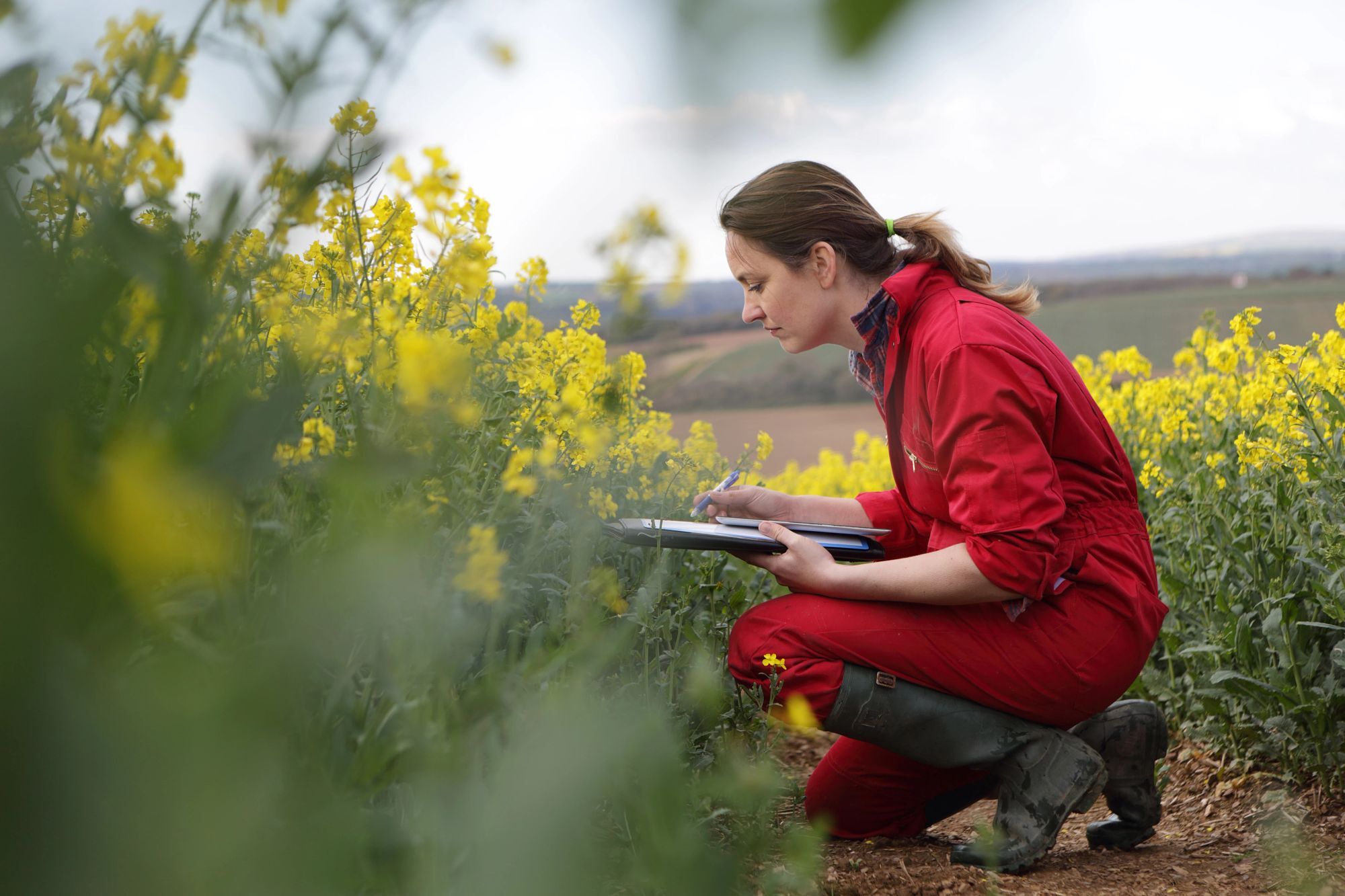
Although requirements vary by country, most organic programs require an organic operation to demonstrate that they are protecting natural resources, conserving biodiversity, and using only approved substances in the production and handling of organic produce and livestock.
In the United States, the USDA National Organic Program (NOP) is responsible for setting regulations for organic agricultural products that are either produced in the U.S. or imported for sale in this country.
In addition to setting requirements for how organic agricultural products are grown, processed and handled, the NOP also sets labeling requirements for these products. Labeling requirements are based on the percentage of organic ingredients in a product. If it’s an agricultural product intended for human consumption, use of the term organic requires certification.
Learn more about how to identify certified organic products.
Organic Crops
Organic regulations strictly prohibit the use of genetic engineering, synthetic chemicals, most chemical pesticides and sewage sludge in the production and handling of organic crops. The land on which organic farmers grow organic crops must not be treated with any prohibited substances for at least three years before the harvest of the first organic crop. Instead, soil fertility and crop nutrients are managed through non-chemical methods, such as tillage and cultivation practices, crop rotations and cover crops. Pests, weeds and diseases are managed through physical, mechanical and biological controls.
Organic Livestock
Livestock requirements address both the animals used for meat and animal products such as milk and eggs. NOP livestock standards require that organic producers feed livestock agricultural feed products that are 100 percent organic. Organically raised animals may not be given hormones to promote growth or antibiotics for any reason, although preventive management practices, including the use of vaccines, can be used to keep animals healthy. All organically raised animals must have access to the outdoors, including access to pasture for ruminants such as cattle. Organic regulations generally allow for short periods of temporary confinement when there is reason for concern for the health and safety of the animal, i.e. during extreme weather conditions.
Organic food products such as eggs and milk must be handled separately from conventional food products and never intermixed. Organic milk and milk products must be processed, either on-farm or off-farm, in a certified organic plant.
GMOs
Organic regulations prohibit the use of genetic engineering or genetically modified organisms (GMOs) in conjunction with the production or handling of organic food. However, it is possible for an organic crop to be exposed to GMOs from drift (such as wind pollination, birds, or bees) or other natural forces beyond the control of the organic farmer. To help limit the impact of non-organic farming practices, organic regulations require organic farmers to follow practices such as creating buffer zones between their own farms and neighboring farms that use conventional farming methods.
How NSF Can Help You
What’s New with NSF

NSF Launches Protocol 549 for Glyphosate Reduction Claims
October 14, 2026P549 is the first standard globally that validates glyphosate reduction performance of water filtration systems and products.
Cambium Analytica, an NSF Company, Opens New Lab in Traverse City, Mich
October 6, 2026Ribbon cutting debuts innovative 15,000-square-foot testing facility to support evolving needs of the food & supplement industries.
NSF Drives Industry Conversations at SupplySide Global 2026 - Las Vegas, Oct. 26–30
September 17, 2026NSF returns to SupplySide Global with expert-led training and trusted certification solutions. Visit Booth 4741 to discover how NSF and Cambium Analytica help brands build trust, increase consumer confidence and stand out in a competitive marketplace.
NSF Welcomes Hanjun Kwon, Managing Director, APAC
September 14, 2026Experienced business leader to drive sustainable growth, organizational development and operational excellence across the Asia-Pacific region.