Keeping Ahead of Risk and Disruption in the Food Industry
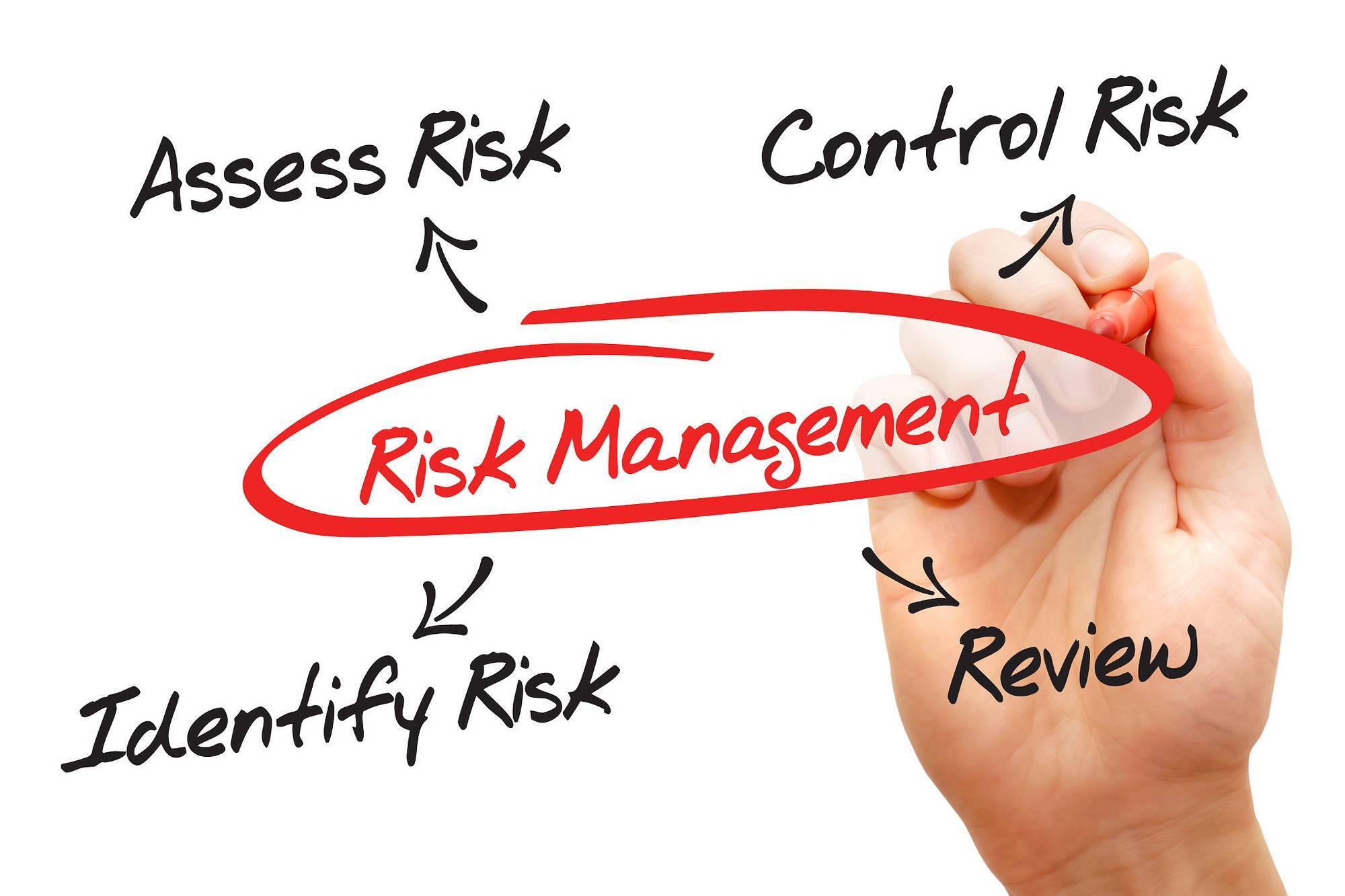
We all know how much scrutiny the food industry faces – and when issues happen, we’re accustomed to stories hitting news headlines around the world. On the flip side, food producers – all the way from farm to fork – are also facing unprecedented challenges. Disruptions to the global food supply chain range all the way from food fraud to cybercrime attacks – on top of the inherent risks of foodborne pathogens and contamination.
Scarcity and replacement of ingredients can mean recipes have to be changed quickly, and the knock-on effect - on menus, regulatory compliance, allergen management, training, food labels - forms a ripple of repercussions - all contributing to increased risks. The fast-changing habits of buyers and consumers can further compound the issues, putting a greater onus on food regulators and industry to provide more education and communication on the risks of foodborne illnesses.
Reliable and Timely Visibility of Emerging Legislation Is Critical
The more we’re aware of upcoming or potential changes in regulations, the more prepared we can all be. A recent global market research survey of more than 1000 food businesses (conducted by NSF) showed that 32% of respondents said keeping up to date with regulations is one of their top food safety challenges¹. But how can we all stay ahead of all regulatory changes – in each of the countries we serve? Do we have all the necessary in-house skills and resources? Should we consider out-sourcing externally? Can we rely on horizon scanning tools? This is where economies of scale can really help – pooling resources or subscription models can help manage costs as well as being sure of accuracy and timeliness.
Proportionate and a Proactive Approach to Risk Assessment Is Also Crucial
By proactively managing the risk, with the appropriate risk mitigation and effective crisis management plans in place, any issue that does arise could have its impact contained. Knowing when and where to test, how to allocate resources whether financial or human and what to communicate is key to protecting your brand.
Teamwork and Collaboration Are Key
If everyone in the supply chain knows how to manage a crisis effectively, this can result in reduced cost and impact to the business and even the industry as a food safety outbreak affects the entire supply chain. With effective data sharing, strong communication and collaboration, a true trusted environment will be established, and food risk can be managed more effectively.
With a focus on prevention, risks can be anticipated before they happen instead of being fixed at the point of failure. By investing in true root cause analysis and continuous improvement, the frequency and severity of issues could be reduced. And with true stakeholder collaboration, a safe and secure food supply chain could be achieved, even in an increasingly complex and challenging environment.
These are some of the topics we’ll touch on in our panel discussion at GFSI Conference as global food leaders come together to learn and understand from each other. We’re taking this opportunity to share different perspectives on the issues at play – with contributions from a food supermarket; a food restaurant and QSR brand; and an expert provider of regulatory horizon scanning.
How will their perspectives be different, and what commonalities will we discover? For those of you who can join NSF’s special session - Keeping up with a changing world: How to tackle the top risks and disruptions in the food supply chain – we look forward to some key insights and knowledge sharing.
Continue learning and exploring the topics discussed on our panel and much more. Check out valuable content prepared to support your business needs below. If you are ready to move forward, contact our sales team today.
This text was first published on GFSI Blog.
Ready To Begin the Process?
Manufacturing, Packaging and Distribution Certifications

Resources



Source:
1 Five Ways Food Safety Drives Success, NSF
How NSF Can Help You

What’s New with NSF

Cambium Analytica, an NSF Company, Opens New Lab in Traverse City, Mich
October 6, 2026Ribbon cutting debuts innovative 15,000-square-foot testing facility to support evolving needs of the food & supplement industries.
NSF Drives Industry Conversations at SupplySide Global 2026 - Las Vegas, Oct. 26–30
September 17, 2026NSF returns to SupplySide Global with expert-led training and trusted certification solutions. Visit Booth 4741 to discover how NSF and Cambium Analytica help brands build trust, increase consumer confidence and stand out in a competitive marketplace.
NSF Welcomes Hanjun Kwon, Managing Director, APAC
September 14, 2026Experienced business leader to drive sustainable growth, organizational development and operational excellence across the Asia-Pacific region.
NSF to Exhibit and Present at PACK EXPO International
September 11, 2026NSF is proud to be part of PACK EXPO International 2026, the premier event bringing together packaging and processing leaders from across industries.