NSF Research Shows Americans Demand Greater Clarity and Standardization in Food Labeling
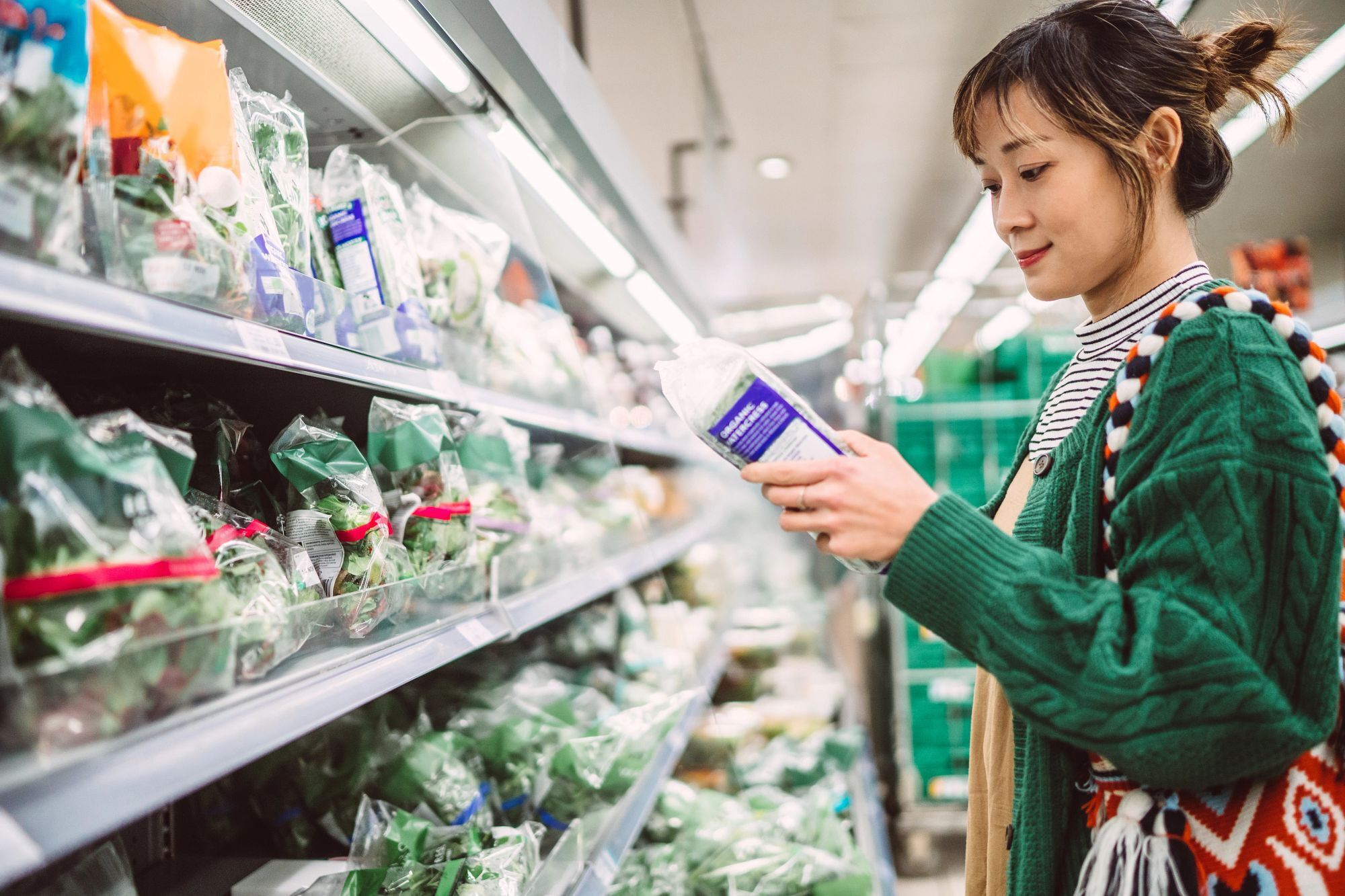
NSF, a leading global public health and safety organization, today released key findings from a survey focused on understanding the effectiveness of US food labeling and its role in consumer decisions.
“Health and wellness continue to be a focus for most consumers, and with the growing popularity of label-review apps and lack of critical food labeling information in e-commerce, NSF’s research demonstrates that many consumers are reading labels with a more critical eye,” said Michelle Anstey, Regulatory Manager at NSF. “The food industry must respond to these evolving consumer demands, prioritizing more transparent, accessible and reliable labeling practices as regulations are updated and introduced.”
The research, which surveyed 1,000 Americans, highlights several challenges, including a lack of confidence in food labels, desired improvements in labeling and the need for standardized sustainability metrics.
Key findings:
- Labels are a key touchpoint: 83% of US consumers read food labels before making a purchase decision. 64% pay more attention to labels compared to five years ago. When reading food labels, adults first look for the expiration date (86%), ingredients list (79%), health claims (78%), allergen warnings (77%) and country of origin (77%)
- At the same time, confidence is lacking: Only 16% of adults find health claims very trustworthy. Just 37% rate food labeling in the US better than labeling in other countries.
- Consumers want clearer labels: 1 in 5 struggle to interpret nutritional information on food labels. Respondents want to see more detailed processing information (82%) and comprehensive allergen information (80%) on the food they’re purchasing.
- Sustainability is top-of-mind: 67% consider sustainability factors important in food purchasing decisions yet only 39% feel current food labels adequately address sustainability. 69% would like to see ethical sourcing information on product labels.
“NSF’s consumer survey results point us in the right direction as we revisit and improve food labeling in 2025,” added Anstey. “By improving transparency and standardization, we can better communicate with consumers and support a more sustainable, trustworthy food supply chain.”
Easy to interpret, validated food labeling can help consumers make educated decisions related to diet and well-being. According to the American Heart Association, nearly 68% of people recognize healthy eating habits as an important factor in improving a person’s chance for a long and healthy life.1
Recent regulations emphasize the increased criticism of food labels among consumers, including bans of some chemicals of concern, such as Red No. 3, in some states, as well as the proposal for an FDA rule that would require front-of-package nutritional information.
NSF supports food manufacturers and retailers with innovative solutions that meet consumer expectations and regulatory labeling requirements. The organization also validates health claims, such as Organic, non-GMO, Gluten-Free, plant based, Raised Without Antibiotics and more, helping businesses to differentiate their products while increasing sales.
White Paper: The Future of Food Labeling in the US
Infographic: Research Key Findings - Food Labeling in the USA 2025
Source
1 Alarming trends call for action to define the future role of food in nation’s health, American Heart Association, 2024
How NSF Can Help You

What’s New with NSF

NSF Launches Protocol 549 for Glyphosate Reduction Claims
October 14, 2026P549 is the first standard globally that validates glyphosate reduction performance of water filtration systems and products.
Cambium Analytica, an NSF Company, Opens New Lab in Traverse City, Mich
October 6, 2026Ribbon cutting debuts innovative 15,000-square-foot testing facility to support evolving needs of the food & supplement industries.
NSF Drives Industry Conversations at SupplySide Global 2026 - Las Vegas, Oct. 26–30
September 17, 2026NSF returns to SupplySide Global with expert-led training and trusted certification solutions. Visit Booth 4741 to discover how NSF and Cambium Analytica help brands build trust, increase consumer confidence and stand out in a competitive marketplace.
NSF Welcomes Hanjun Kwon, Managing Director, APAC
September 14, 2026Experienced business leader to drive sustainable growth, organizational development and operational excellence across the Asia-Pacific region.