NSF/ANSI 42, 53 and 401: Filtration Systems Standards
NSF/ANSI 42, 53 and 401 are the leading industry standards for filtration products and systems. Read more about the scope, testing and claims under each.
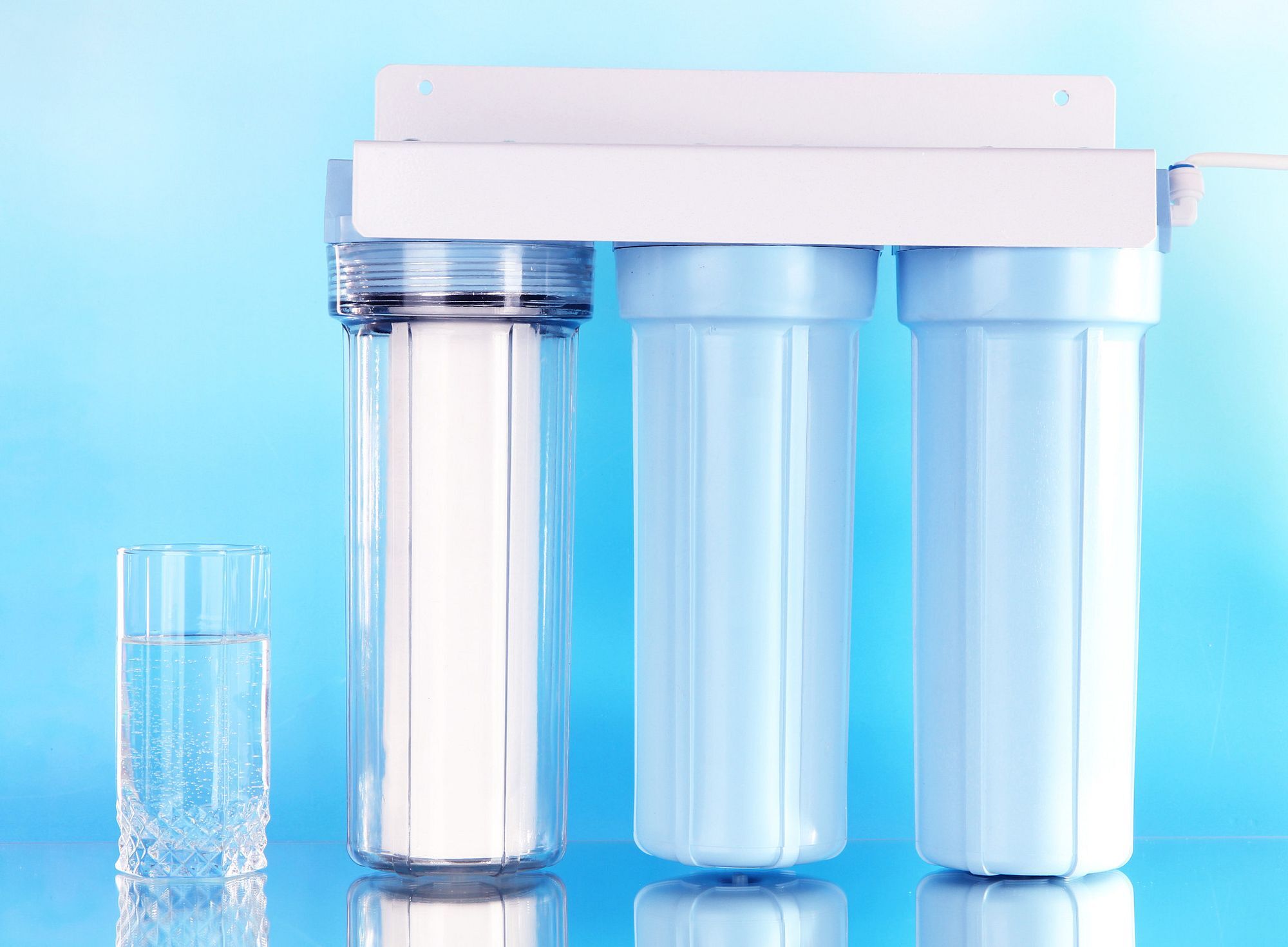
The most common certifications for filtration systems are NSF/ANSI 42, 53, and 401, which certify that a product effectively reduces specific contaminants from drinking water.
NSF/ANSI 42: Drinking Water Treatment Units – Aesthetic Effects
This standard establishes minimum requirements for systems designed to reduce non-health-related contaminants.
- Scope: Point-of-use and point-of-entry systems.
- Claims: Chlorine, taste and odor, chloramine, particulate, iron, manganese, zinc, and total dissolved solids (TDS).
- Testing: Material safety (including content in accordance with NSF/ANSI/CAN 372), structural integrity, and specific aesthetic-related contaminant reduction claims (claims vary by product).
NSF/ANSI 53: Drinking Water Treatment Units – Health Effects
This standard establishes minimum requirements for systems designed to reduce specific health-related contaminants.
- Scope: Point-of-use and point-of-entry systems.
- Claims: This standard offers over 50 contaminant reduction claims. Some of the most popular include lead, Cryptosporidium, VOCs, and chromium.
- Testing: Material safety (including content in accordance with NSF/ANSI/CAN 372), structural integrity, and specific health-related contaminant reduction claims (claims vary by product).
NSF/ANSI 401: Emerging Compounds/Incidental Contaminants
This standard addresses the ability of a water treatment device to remove up to 15 individual contaminants identified in published studies as occurring in drinking water. The pollutants covered in NSF/ANSI 401 have been detected in drinking water supplies at trace levels and can affect some consumers’ perception of drinking water quality.
- Scope: Point-of-use and point-of-entry systems.
- Claims: This standard offers up to 15 specific contaminant reduction claims. The most popular categories include prescription drugs, over-the-counter medications, herbicides, pesticides, and chemical compounds.
- Testing: Material safety (including content in accordance with NSF/ANSI/CAN 372), structural integrity, and specific emerging compounds/incidental contaminants outlined in the standard.
Learn more about our water filtration services
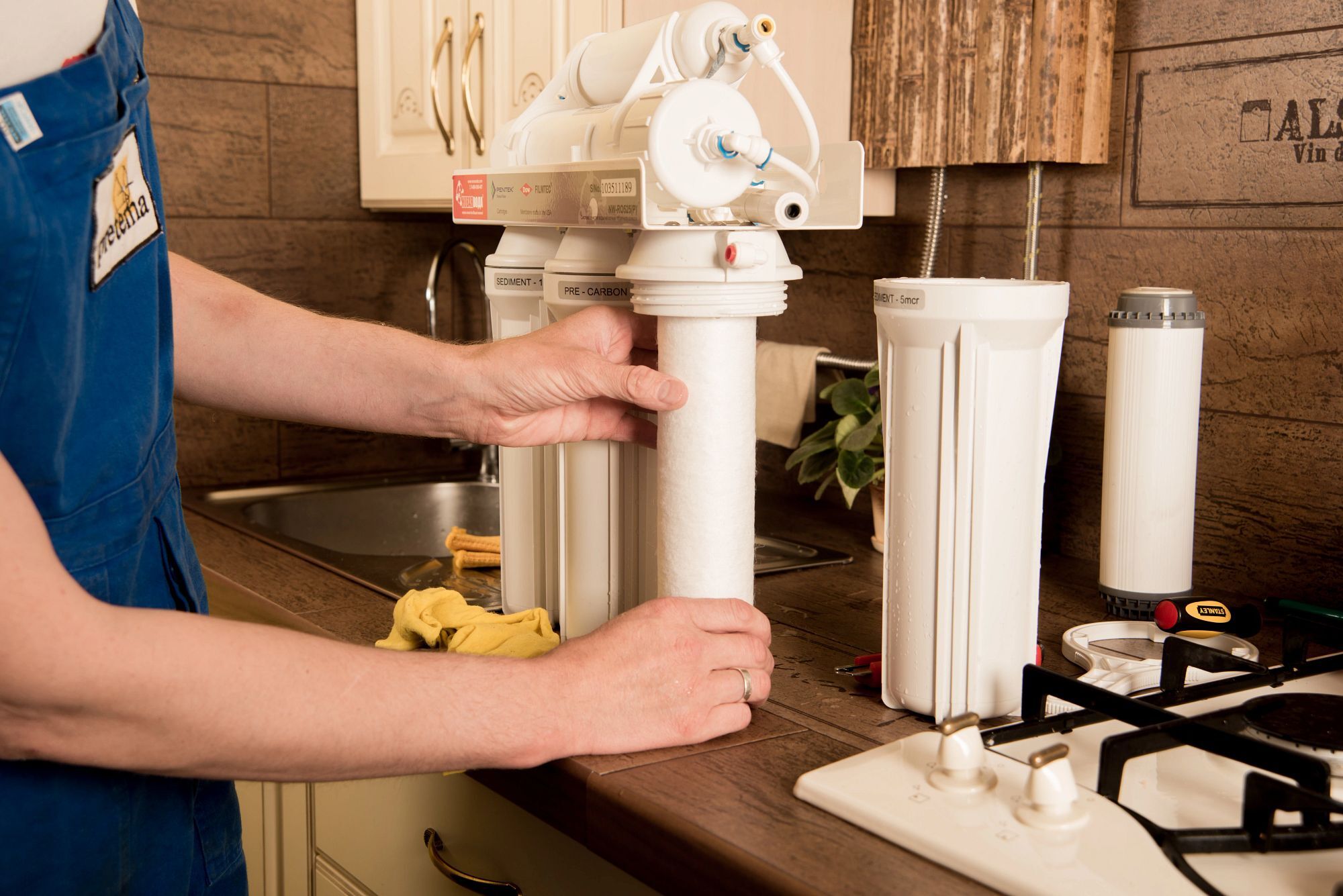
Test and certify water filtration and treatment systems, tailored for municipal, residential, or commercial use.
How NSF Can Help You

What’s New with NSF
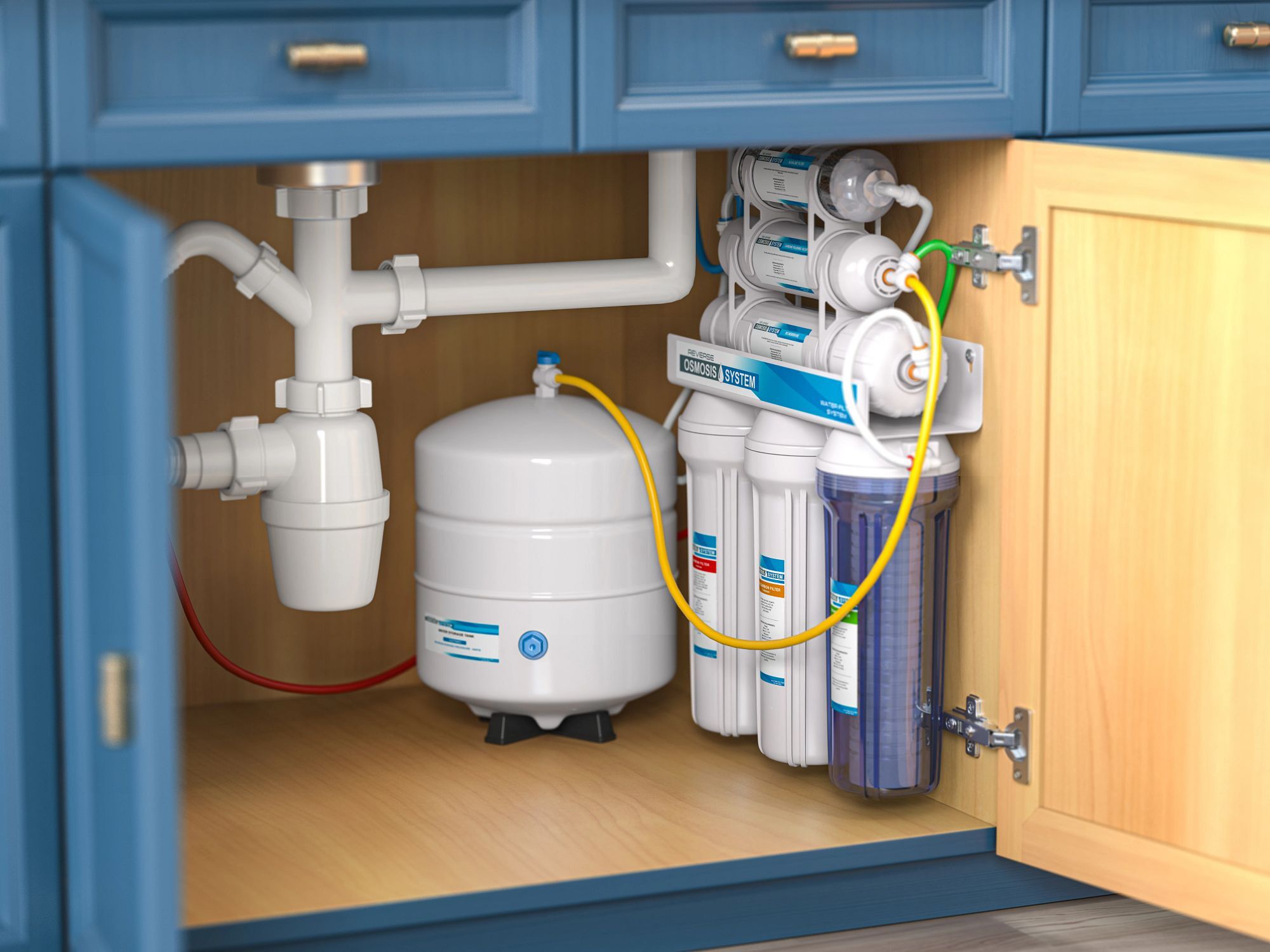
NSF Launches Protocol 549 for Glyphosate Reduction Claims
October 14, 2026P549 is the first standard globally that validates glyphosate reduction performance of water filtration systems and products.
Cambium Analytica, an NSF Company, Opens New Lab in Traverse City, Mich
October 6, 2026Ribbon cutting debuts innovative 15,000-square-foot testing facility to support evolving needs of the food & supplement industries.
NSF Drives Industry Conversations at SupplySide Global 2026 - Las Vegas, Oct. 26–30
September 17, 2026NSF returns to SupplySide Global with expert-led training and trusted certification solutions. Visit Booth 4741 to discover how NSF and Cambium Analytica help brands build trust, increase consumer confidence and stand out in a competitive marketplace.
NSF Welcomes Hanjun Kwon, Managing Director, APAC
September 14, 2026Experienced business leader to drive sustainable growth, organizational development and operational excellence across the Asia-Pacific region.