Product Certification for Reducing PFAS in Drinking Water

What are PFAS and why do they matter?
Per- and polyfluoroalkyl substances (PFAS) are a large group of man-made chemicals widely used in manufacturing because of their water- and grease-resistant properties. They are most often found in products such as firefighting foams, non-stick cookware, food packaging and more.
PFAS are often called “forever chemicals” because they do not break down easily. Over time, they can accumulate in soil, water and even the human body. Scientific studies have shown that PFAS in the environment can lead to health concerns, including:
- Increased risk of certain cancers.
- Impacts on the immune and hormonal systems.
- Developmental effects in children.
- Elevated cholesterol and cardiovascular risks.
Drinking water is a major pathway for PFAS exposure, making technology development and regulatory involvement essential for protecting public health.
PFAS regulations in drinking water worldwide
PFAS standards are being introduced globally:
- United States: The U.S. Environmental Protection Agency (EPA) has issued health advisories for several PFAS and has published enforceable maximum contaminant levels (MCLs) under the Safe Drinking Water Act.
- European Union: The EU Drinking Water Directive establishes strict PFAS limits, supported by additional restrictions under REACH.
- Global Landscape: Countries in Asia, Australia and Latin America are setting their own PFAS thresholds, reflecting growing awareness and the need for consistent protections.
As regulations expand, independent verification of PFAS reduction is more important than ever for manufacturers, utilities and regulators.
NSF offerings for PFAS in drinking water
NSF provides trusted testing, certification and verification services to help the water industry meet PFAS requirements.
Municipal water distribution products
- Testing and optional “+PFAS Tested” marking available under NSF/ANSI/CAN 61.
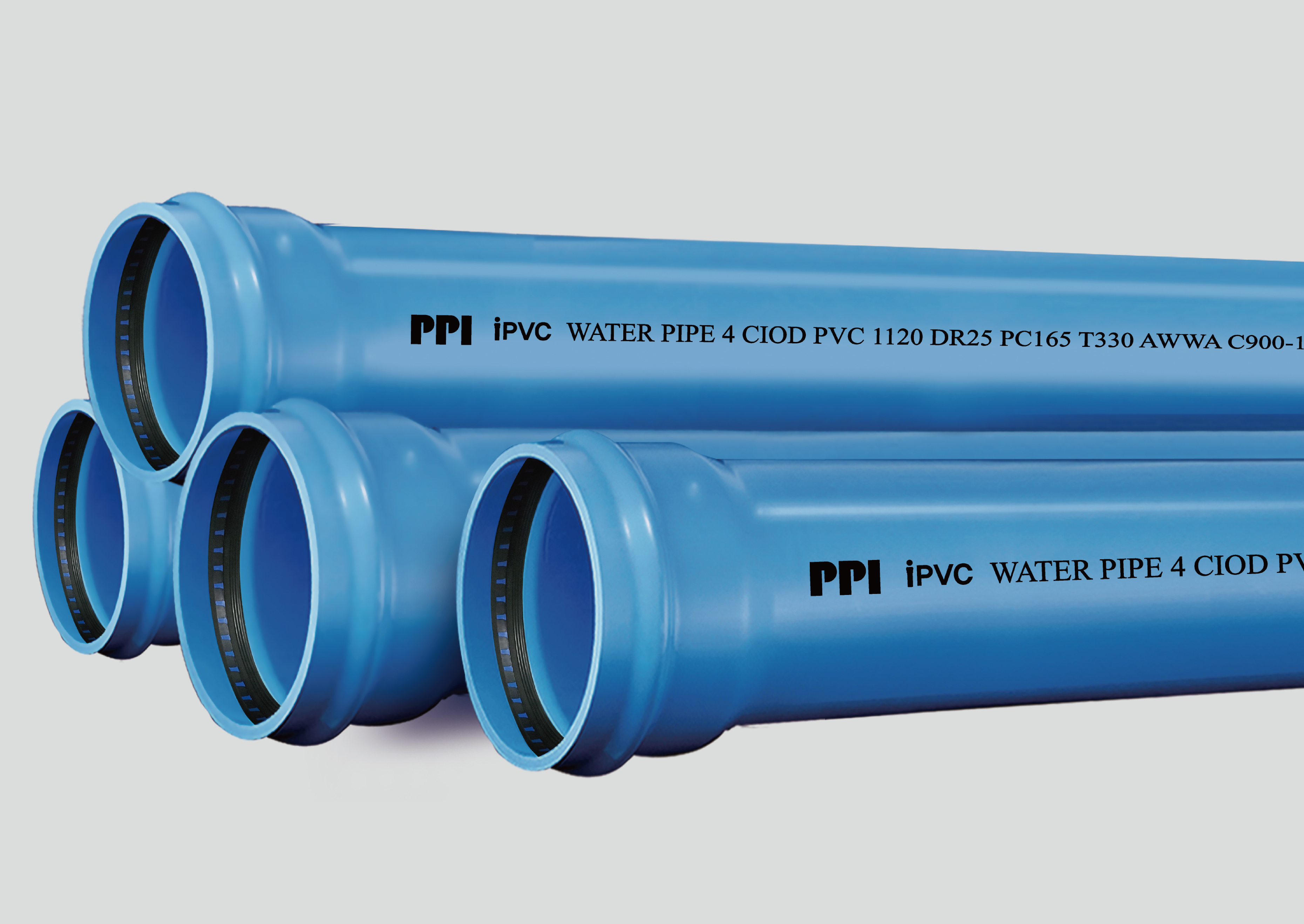
- R&D testing for PFAS leaching from drinking water system components (pipe, fittings, gaskets, etc.) into drinking water.
Residential filtration products
PFAS claims verification available under:
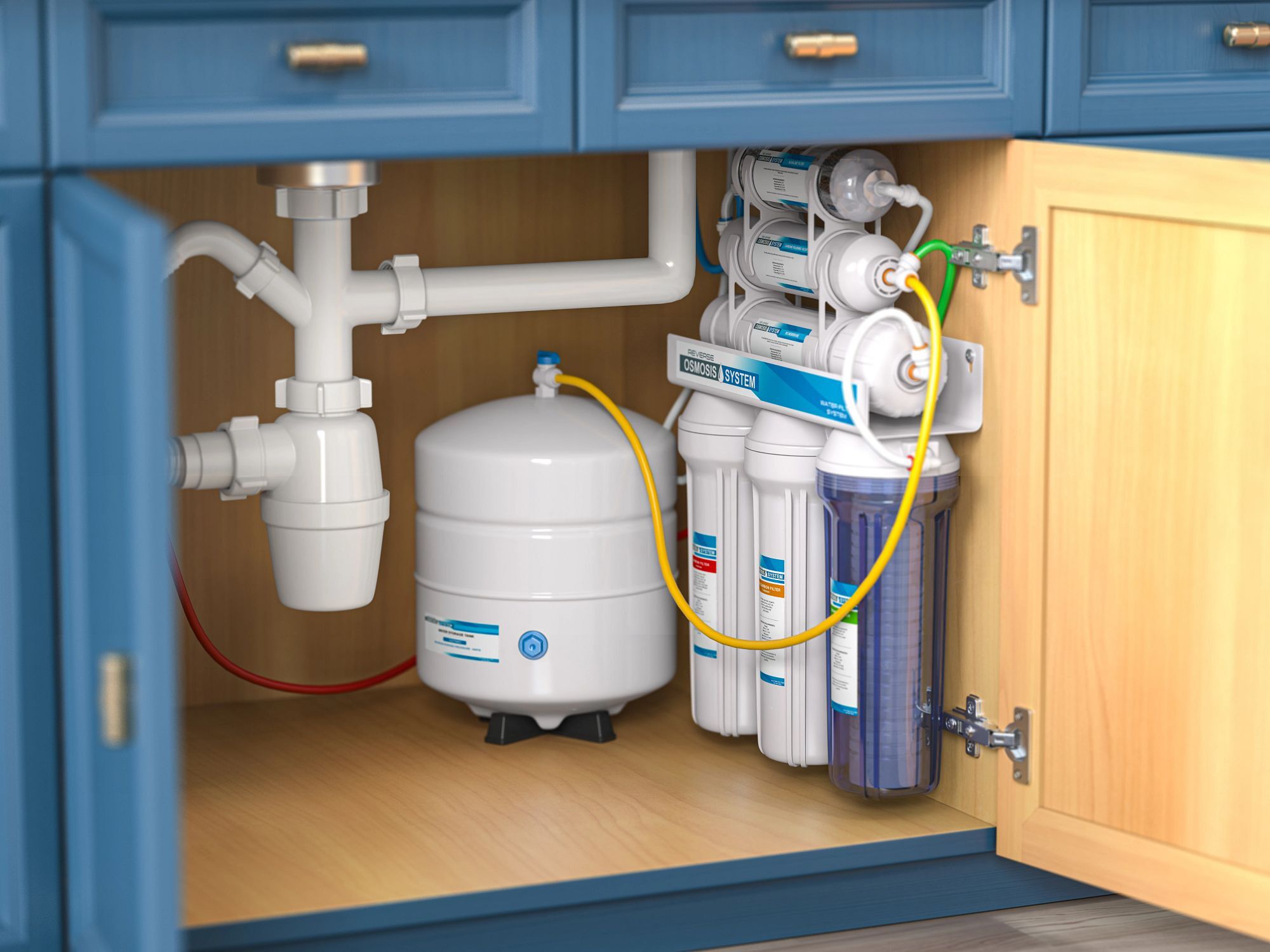
- NSF/ANSI 53 for general residential filtration devices.
- NSF/ANSI 58 for reverse osmosis systems.
Municipal filtration products
- PFAS testing is being expanded to include other municipal filtration solutions (coming soon).
Future services and innovation
NSF is actively developing additional PFAS services to meet evolving industry needs, including:
- Expanded protocols: New test methods to align with EPA, Health Canada, EU and other global requirements.
- Technology support: Assisting innovators in verifying PFAS reduction performance for new solutions.
PFAS in Drinking Water
Related resources


How NSF Can Help You

What’s New with NSF
NSF Launches Protocol 549 for Glyphosate Reduction Claims
October 14, 2026P549 is the first standard globally that validates glyphosate reduction performance of water filtration systems and products.
Cambium Analytica, an NSF Company, Opens New Lab in Traverse City, Mich
October 6, 2026Ribbon cutting debuts innovative 15,000-square-foot testing facility to support evolving needs of the food & supplement industries.
NSF Drives Industry Conversations at SupplySide Global 2026 - Las Vegas, Oct. 26–30
September 17, 2026NSF returns to SupplySide Global with expert-led training and trusted certification solutions. Visit Booth 4741 to discover how NSF and Cambium Analytica help brands build trust, increase consumer confidence and stand out in a competitive marketplace.
NSF Welcomes Hanjun Kwon, Managing Director, APAC
September 14, 2026Experienced business leader to drive sustainable growth, organizational development and operational excellence across the Asia-Pacific region.